Lack of housing and high input prices to drive up rents in 2023, experts warn
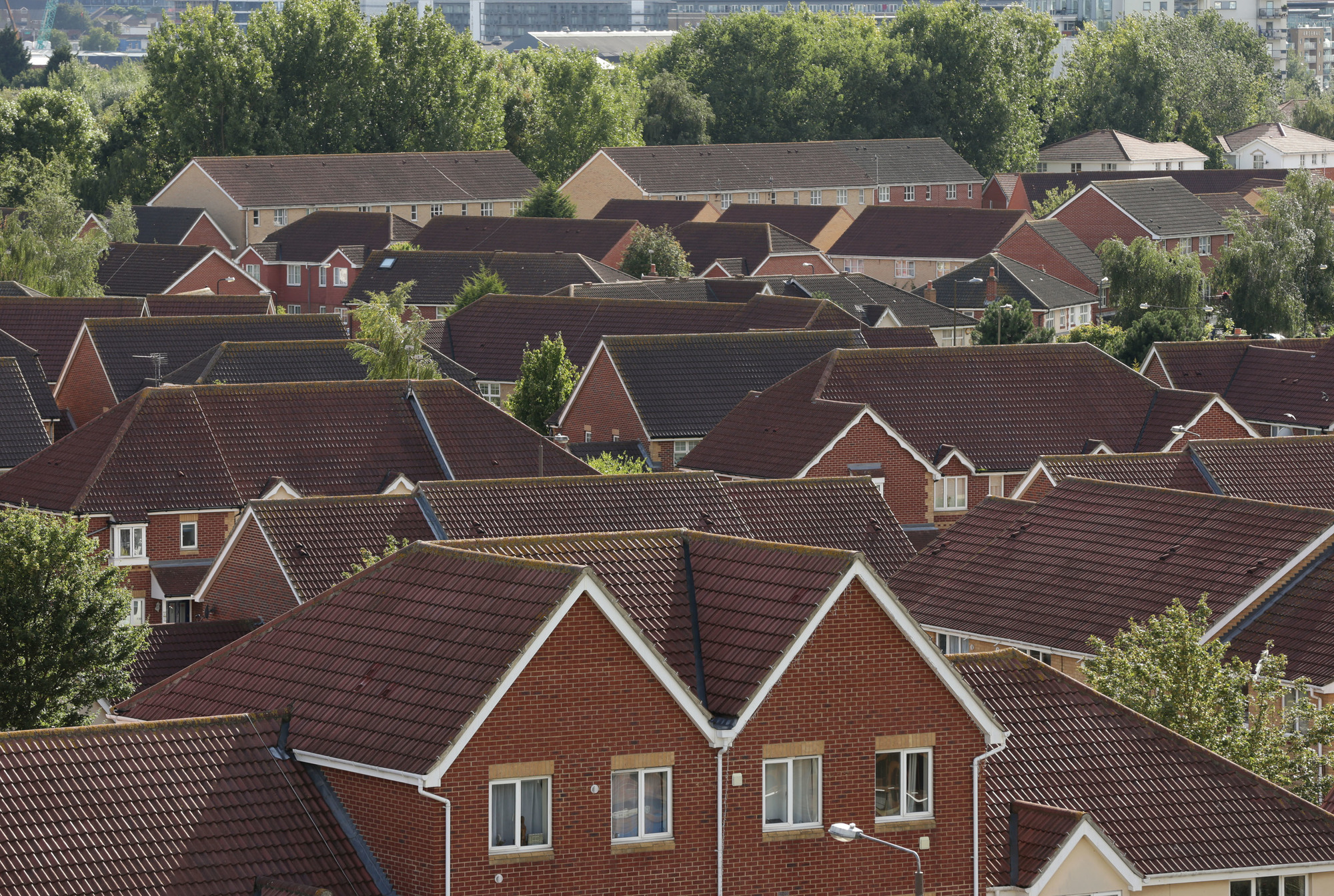
Residential commencements started to slow in the latter part of 2022 due to increases in construction and financing costs while exit pricing declined.
Rents are expected to rise this year due to the high level of demand and input cost inflation, such as soaring energy bills, for constructing units.
The viability of new apartment development is a key concern for the real estate market in Ireland this year, according to commercial property specialists CBRE.
Residential commencements started to slow in the latter part of 2022 due to increases in construction and financing costs while exit pricing declined.
"These factors will impact new dwelling completion numbers over the medium-term, with smaller developers likely to find it difficult to deliver new stock," said the CBRE.
Experts warned that the lack of available housing will drive competitive tension for tenants leading to higher rents.
“Occupancy and rental growth trends in the multifamily market accelerated through 2022, as more tenants returned to cities in the aftermath of the pandemic,” said the CBRE in its Outlook 2023 annual report.
However, the number of units available to rent in Dublin fell to historic lows, and in response, rental levels for new multifamily stock continued to climb.
The market did benefit from increased new dwelling completions in Q2 and Q3, but much of this new stock consisted of Dublin apartments, which were delivered with the support of institutional capital.
The report found that the total level of new supply delivered in Ireland failed again to meet the required rate.
“The cumulative undersupply of residential stock across all tenures persists and is unlikely to be rectified in the near or medium-term,” the report said.
A total of €2bn was invested in the residential sector in Ireland in 2022 with more than 70% of this capital focused on multifamily housing stock in the Dublin region.
A number of multifamily sale processes stalled last year or were ultimately withdrawn as the economic environment became more volatile.
“Encouragingly, despite a slowdown in transactional activity in the broader market, several forward-structured transactions completed in both Q3 and Q4, reflecting the appetite for institutional investors to deploy into Dublin's massively undersupplied market, despite headwinds,” the report said.
The CBRE expects investment activity in the Irish real estate market to be sluggish during the first months of 2023, but they anticipate trading momentum to return when inflation tapers and interest rates stabilise.
“We will likely see some weakness come through in Irish economic and real estate data points, however, the initial market shock has now passed and we could see real estate investment activity levels rebound stronger and faster than many anticipate,” said Colin Richardson, director and head of research at CBRE.
The report showed Ireland’s property market performed better than expected last year, despite the impact of rising inflation, interest rate increases and a slowing European economy.
The overall outlook is optimistic for the Irish real estate market, as the CBRE anticipates continued resilience in 2023 with “another busy year of transaction and development activity in store, despite macro-economic headwinds”.
“While we will likely face some headwinds in 2023, the underlying long-term constructive outlook for the Irish economy continues to attract occupiers and investors from around the globe,” said Myles Clarke, managing director at CBRE.
CONNECT WITH US TODAY



Be the first to know the latest news and updates