Large proportion of Cork commercial property left vacant
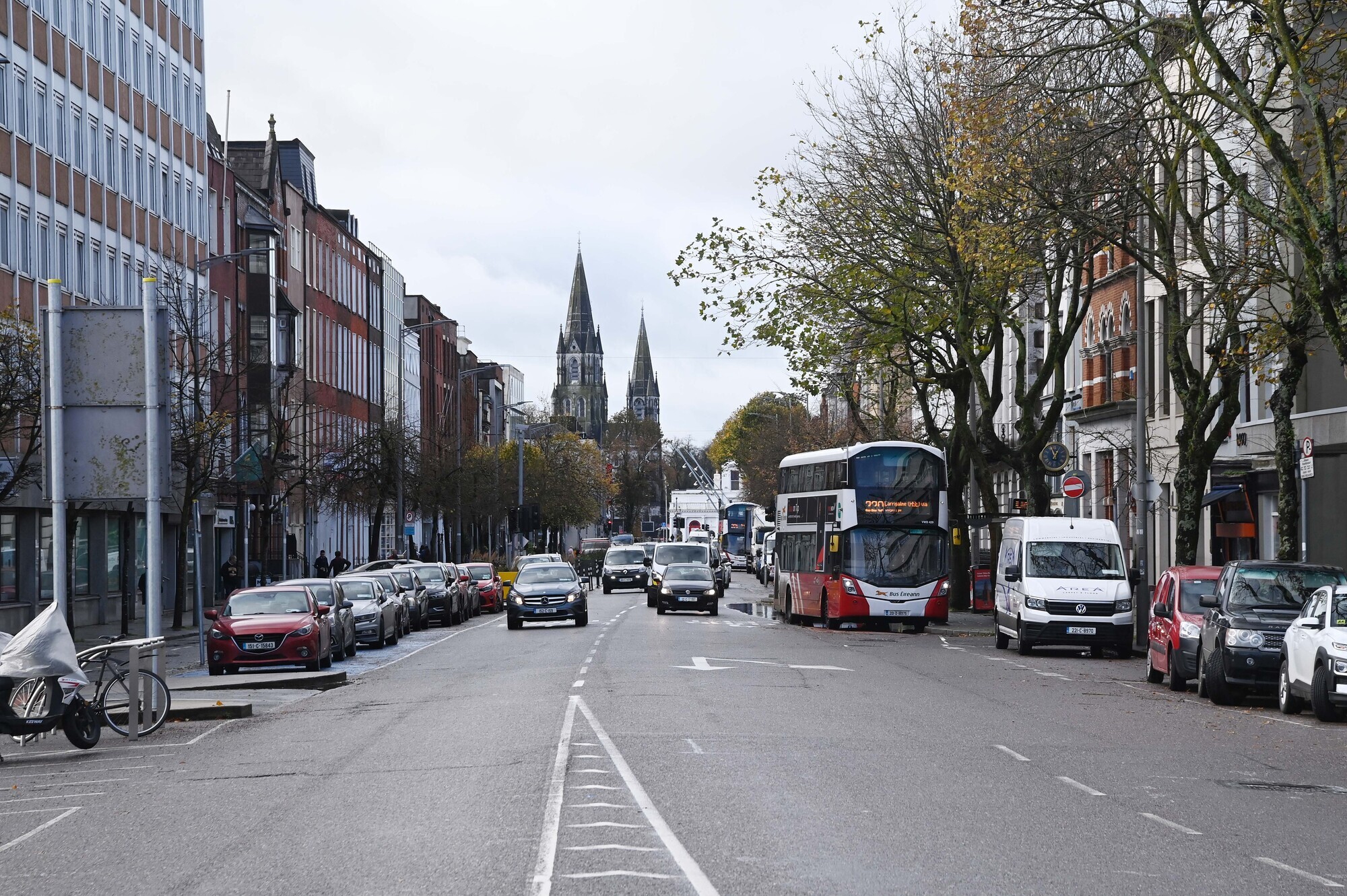
The trend comes amid a surge in job cuts across Ireland's tech sector, along with working from home and global uncertainty causing a major shift in post-pandemic work practices.
Spare commercial space is on the rise in Cork, with 14% of all office spaces already vacant.
Figures for Cork have already outpaced Dublin, with the proportion of commercial property left unused likely to increase even further in 2023.
With demand falling, the amount of "grey space," in Cork, defined as spare office accommodation that remains dormant despite being leased, is also likely to rise further in the new year, with many occupiers considering subletting surplus office space that they no longer need.
The trend comes amid a surge in job cuts across Ireland's tech sector, along with working from home and global uncertainty causing a major shift in post-pandemic work practices.
Research published last year showed that 78% of employees wanted to stay working from home, and as energy prices continue to put a strain on office expenses, many companies have facilitated this by enabling more flexible working conditions.
Despite already significant vacancy rates, estate agent, Lisney Sothebys has warned that Cork is 12 months behind Dublin, where grey space already accounts for a third of the capital's commercial property.
The agency has warned that commerical vacancy rates could increase even further in Cork, leading to a reduction in headline rents, with the report finding that even if they remain unchanged, landlords will need to offer greater incentive packages to influence demand.
While the supply of commercial property remains bouyant, residential accommodation in Cork is still heavily undersupplied, with the agency saying that it remains so despite a 62% increase in 2022.
Furthermore, the construction of new homes also started to fall back in the second half of last year following a surge in construction costs and funding needs, with Lisney Sotheby's warning that this will continue to be an issue this year, further impacting supply which will be particularly difficult for first time buyers.
While forecasts for the upper-end of the residential market remain strong, the agency has warned that the mid and entry level parts will continue to experience affordability issues to a greater extent as mortgage rates increase and disposable income levels fall.
CONNECT WITH US TODAY



Be the first to know the latest news and updates