Seamus Coffey: No fallout from the demise of the 'double-Irish'
While the double-Irish structure impacted tax payments, it did not do so in Ireland, in other European countries.
Seamus Coffey: No fallout from the demise of the 'double-Irish'

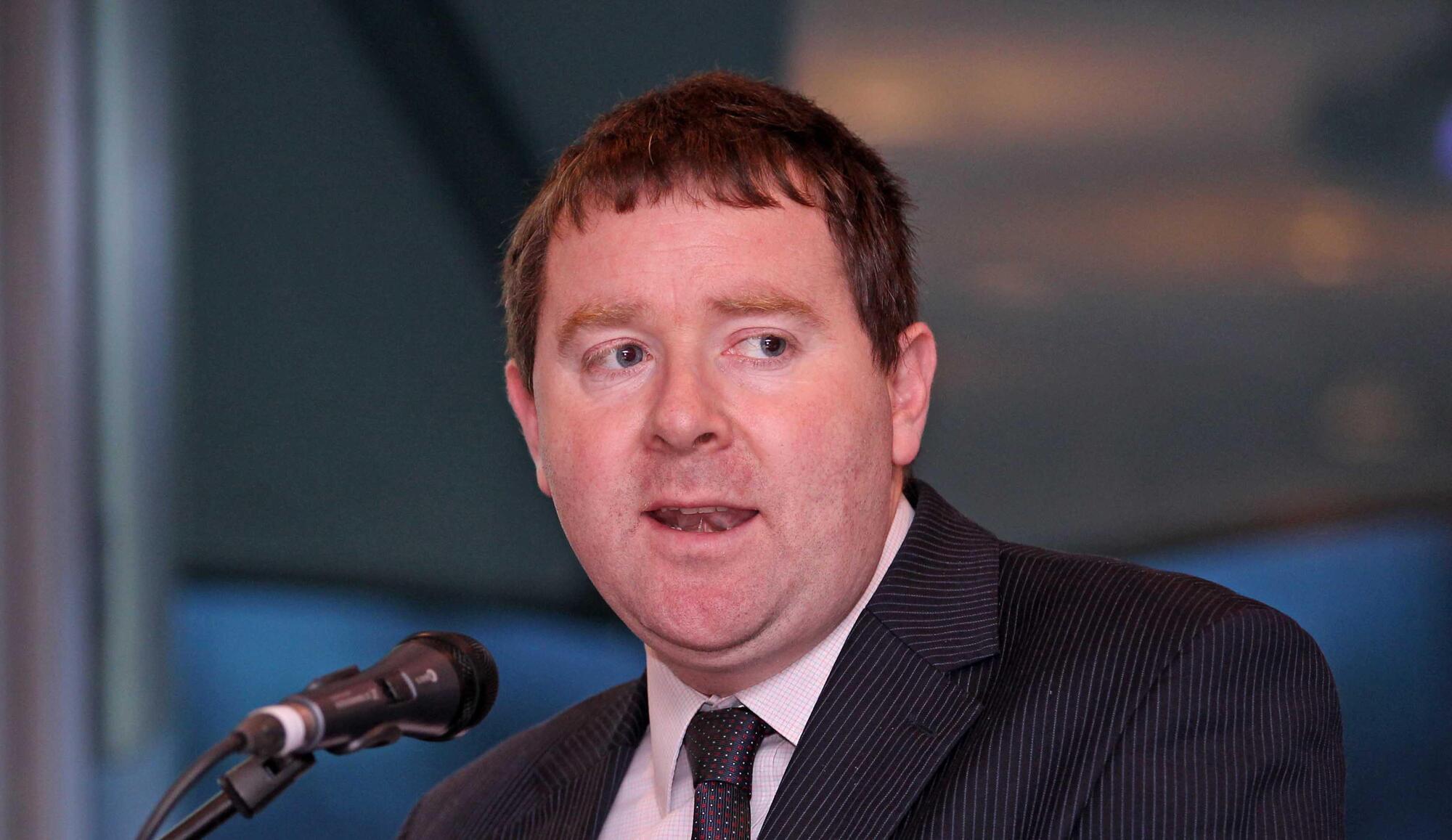
The ending of the double-Irish structures of Google and Facebook has meant no changes in Ireland or in market countries, says Seamus Coffey. Picture: Jim Coughlan

For many years, the ‘double-Irish’ was the poster child of aggressive tax avoidance by multinational companies, and in recent years some of the most high-profile users of the structure have discontinued the practice. 

This allows us to assess the impact of such changes on the tax payments of companies that used it.


The latest financial results from such multinationals show that while the double-Irish structure impacted tax payments, it did not do so in Ireland, in other European countries, or in other market countries served from Ireland. The only tax payments impacted by double-Irish structures were those owed by US multinationals to the US itself.

Google

Google formally ended its use of the double-Irish in December 2019. In its 2020 annual report, Google said that “as of December 31, 2019, we have simplified our corporate legal entity structure and now license intellectual property from the US that was previously licensed from Bermuda, resulting in an increase in the portion of our income earned in the US”. 

This meant significant changes for the holding company in Bermuda. The revenue of this company went from $26.5bn (€25bn) in 2019 to nil in 2020. US tax changes also saw US tax levied on the historical profits of offshore entities such as this.

The ending of activities by the holding company in Bermuda did not translate into changes for the trading company in Ireland, or in how Google operated in its market countries.

The turnover for Google’s main subsidiary in Ireland went from €46bn in 2019 in the last year of its use of the double-Irish, to €65bn in 2021. Some changes in costs meant that profit went from €2bn to €3bn, on which the company paid around €350m of Irish corporation tax. In earlier years, the tax payments were around €250m. 

More of Google's profits are now being taxed in the US. Picture: Yui Mok/PA Wire

There was also little change in the most significant cost incurred by Google’s company in Ireland — the license fee it pays for the right to sell advertising on Google’s platforms. 

It is non-controversial that the Irish operations of US companies have to pay for the use of technology that is developed elsewhere. In the last year of the double-Irish, this cost was €19.5bn in 2019 which, as we know, ended up in Bermuda (with a stopover in The Netherlands along the way).

As set out in Google’s statement, with the ending of its double-Irish structure, this payment is now paid directly to the US. And other companies, such as Facebook, have made similar changes.

Up to 2019, most of the outbound royalties from Ireland ended up in no-tax jurisdictions such as Bermuda or the Cayman Islands as part of double-Irish structures. The changes in recent years now mean that more and more of the €120bn of outbound royalties from Ireland are going direct to the US and any profits arising are subject to immediate tax there.

This means that the profits of these companies are now reported much more in line with their economic substance. In the last year it operated the double-Irish, Google reported that 60% of its profit was due to “foreign operations”, ie activities outside the US. Of course, this included the profits routed to Bermuda where the company did nothing at all. US companies should never have been allowed to misalign such large profits from their substance. The US was slow to act, but has now seen companies end this practice.

In 2021, Google attributed 85% of its $90bn profit to activities in the US. And the activities that make Google so profitable, such as innovation and development, are mainly located in the US.

Facebook and Amazon

We can see similar for other US multinationals. Facebook reported that 92% of its 2021 profit was due to its US operations. For Amazon, the share was 94%. These profits are now subject to immediate taxation in the US.

These companies make sales to customers in countries right around the world, but location of customers is not the basis on which corporate income tax liabilities are assessed. What matters is the location of the risks, functions, and assets that generate those profits.

The ending of the double-Irish structures of Google and Facebook has meant no changes in Ireland or in market countries. This shows that the double-Irish structure was not impacting tax payments in those countries.

What has been seen is a significant increase in the profit that Google, Facebook, and other US multinationals are reporting in the US. 

These companies are no longer deferring large amounts of their US tax liabilities using Bermuda or the Cayman Islands, and now have most of their profit subject to immediate tax in the US. Ending the use of double-Irish structures has garnered few headlines. 

Seamus Coffey is an economist at UCC and an expert on Irish fiscal policy       

More in this section

The Business Hub

Newsletter

News and analysis on business, money and jobs from Munster and beyond by our expert team of business writers.

Cookie Policy Privacy Policy Brand Safety FAQ Help Contact Us Terms and Conditions

© Examiner Echo Group Limited