From Riverdance to Brexit: The best business reads
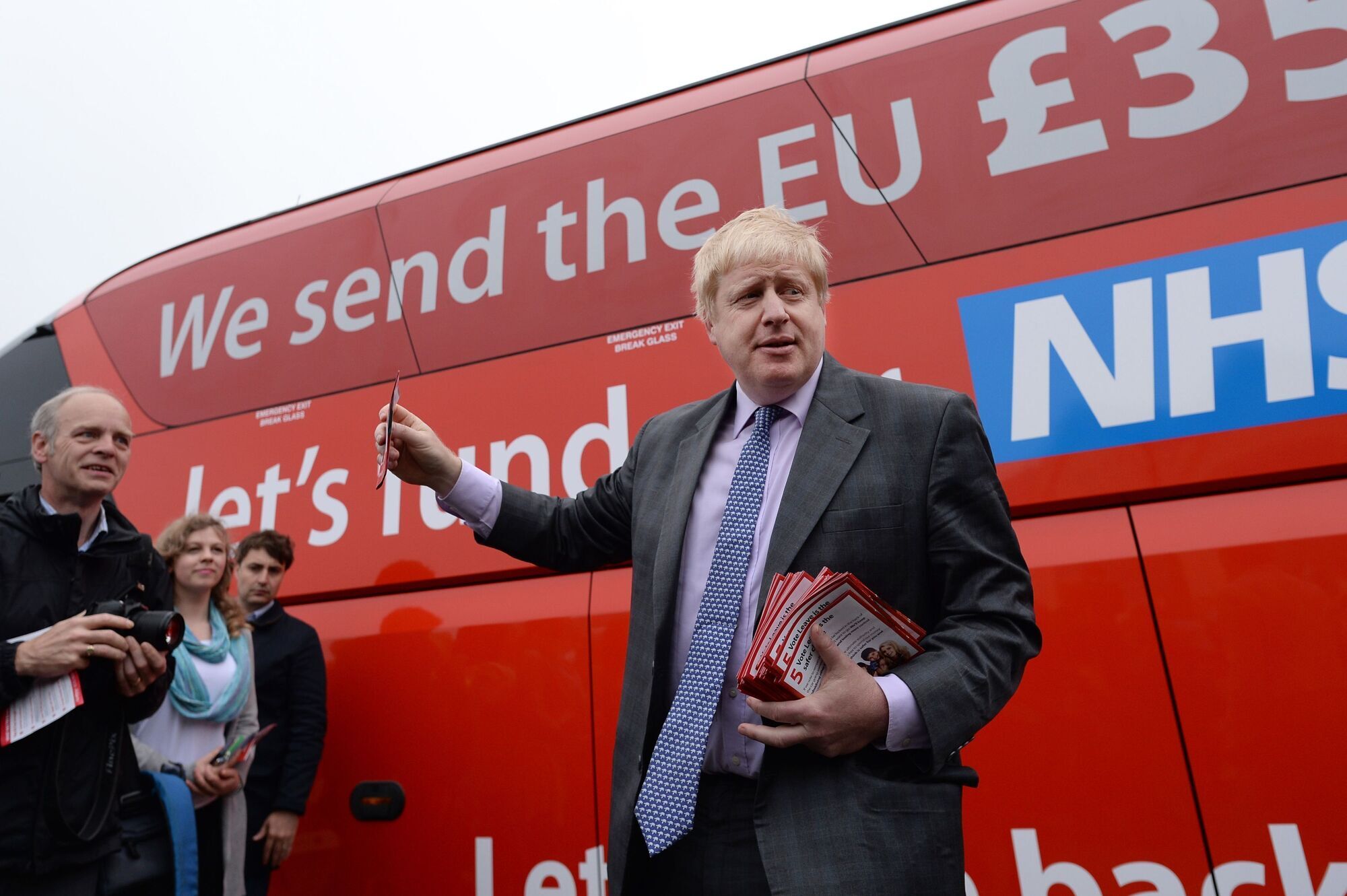
Former Mayor of London Boris Johnson before he boards the Vote Leave campaign bus in Truro, Cornwall, ahead of its inaugural journey which will criss-cross the country over the coming weeks to take the Brexit message to all corners of the UK before the June 23 referendum.
Three years on and Brexit remains a keyword in the modern lexicon - an event that continues to spawn jokes, jibes and, depending on where you stand, general delight or unmitigated despair.
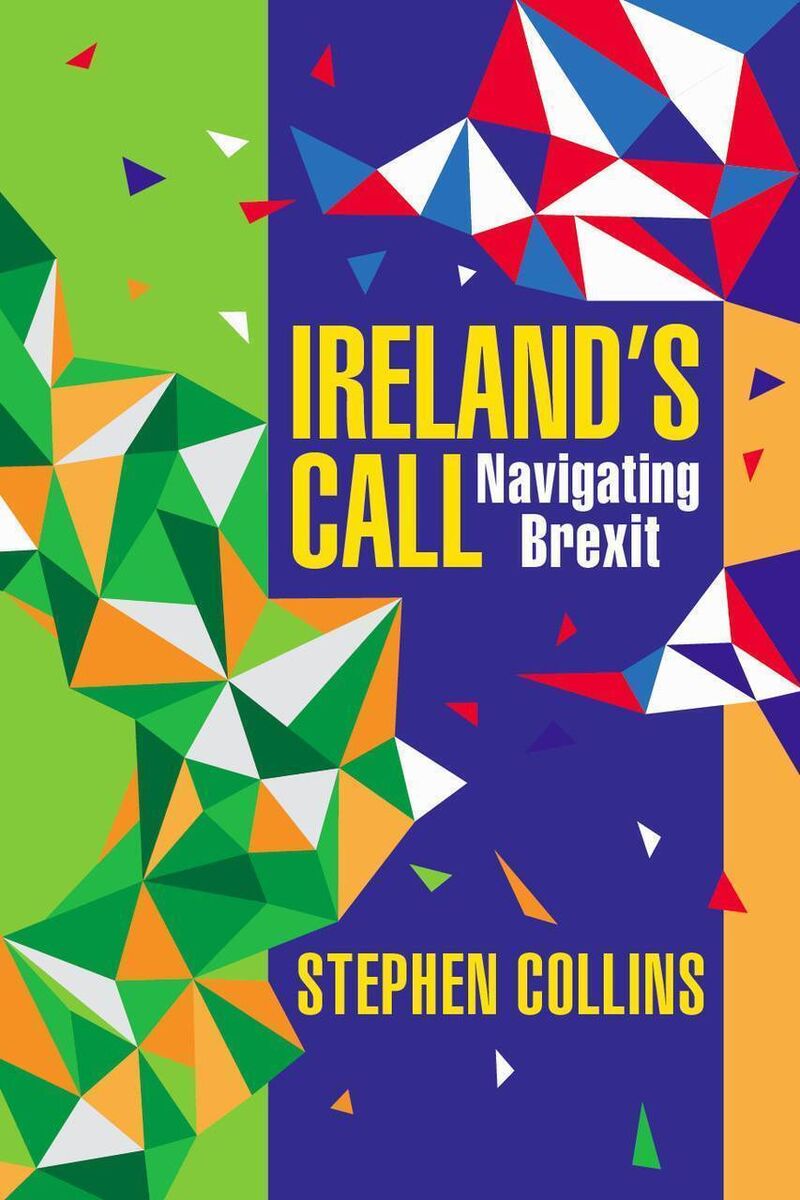
Having created no end of political complications between Britain, Ireland and the EU, it has also contributed to the career demise of two UK Prime Ministers as its fallout continues to impact across national boundaries. Irish Times columnist and former political editor Stephen Collins delves deep into how the machinations behind this historic severing of EU ties affected Britain, and the successful diplomatic campaign by the Irish government to avoid a ‘hard border’.
Through interviews with many of the leading players in the process and offering a behind-the-scenes view of the frequently frantic diplomatic activity, it reveals how Boris Johnson’s election promise of ‘an oven-ready Brexit deal turned out instead to be an undercooked pledge.
Untangling a complex process in an engaging way, Collins charts the event’s twists and turns, and how the resolute and unflappable stance of EU negotiator Michel Barnier coped with rising temperatures when things got seriously hot in the kitchen. Brexit continues to inspire its share of commentary, but one of the best is the observation of actor Hugh Grant: “Brexit was a fantastic example of a nation shooting itself full in the face.”
For those of a certain age, the night Riverdance dazzled and enthralled the world with its seven-minute interval performance during the 1994 Eurovision Song Contest at Dublin’s Point Theatre has long been filed away as one of the great entertainment moments of modern times.
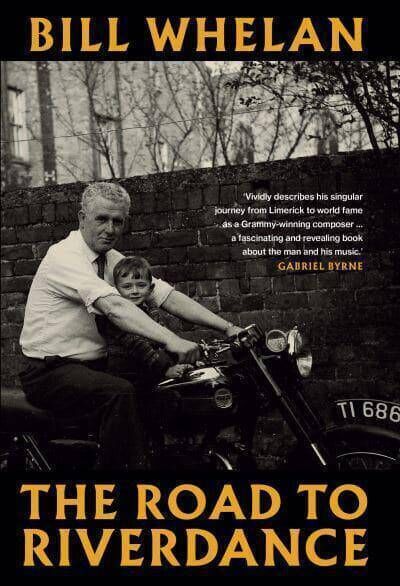
Irish dancing became ’sexy’ overnight, and an ancient art was transformed for a global audience - in addition to millions in box office revenue still flowing on stages around the world. Riverdance signalled the arrival of a new Ireland, complete with a female president in Mary Robinson and a triumphant footballing ‘green army’ led by Jack Charleton.
For its composer, Bill Whelan, Riverdance was the culmination of a lifetime dream - to say nothing of its huge profitability enthralling audiences from Broadway to Beijing. From his central position involved in taking traditional Irish dance into a modern orbit of choreographed bliss, the book charts the artistic and business marriage that built the Riverdance machine - the nuts, bolts and good fortune that together conspired to fashion an extravaganza that would go on play to millions around the globe.
It was a journey capped in 1997 when Whelan was honoured with a Grammy Award for the ‘Best Musical Show Album.’ After twenty-seven years of live performances to over 22 million people, it remains an Irish export up there with the best.
Just how did the UK take up its position at the elbow of the worst people on Earth - the oligarchs, kleptocrats and gangsters, Bullough asks. “We pride ourselves on values of fair play and the rule of law, but few countries do more to frustrate global anti-corruption efforts.”
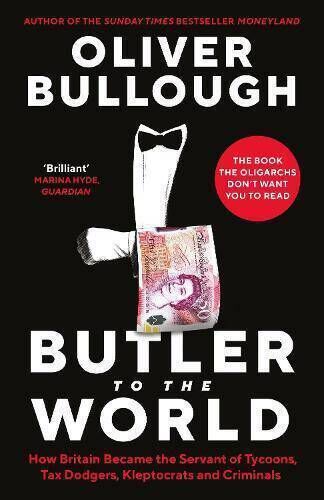
He describes Britain as being “a nation of Jeeveses, snobbish enablers for rich halfwits of considerably less charm than Bertie Wooster.” In a year where the world has become far more aware of Russian oligarchs, Bullough reveals how London’s finance hub, The City, has altered or ignored laws to benefit criminals at home and abroad.
Like Jeeves, the classic PG Woodhouse butler who will fix anything by fair means or foul, The City finds ingenious and inventive ways to not just accept and launder dirty money, but to operate as a gigantic loophole, undercutting other nations’ rules and neutering regulations. “It’s not just that Britain isn’t investigating the crooks,” Bullough says, “It’s helping them, too.”
Time is not money, time is life force, Jenny Blake declares, adding that time is far more precious than money.
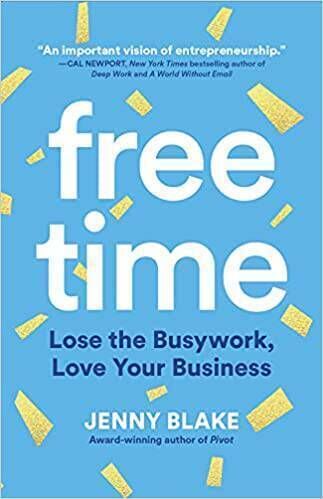
Time “is your presence, your memories, your quality of life.” For many, perhaps with a new post-Covid sensibility, growth fuelled by added stress is not worth the trade off anymore. Fitting into the ‘slow productivity’ genre which has grown in popularity over the past three years, Blake’s book makes a persuasive case for working half the time via a more efficient and self-sustaining outlook.
The old ‘time is money’ trope has become outdated, even for small business owners beset by the Burdensome B's - bottlenecked, bored, or burned out. Her structured Free Time Framework begins with a simple inquiry: “Are you in friction or in flow?”
Blake, author of Pivot: The Only Move That Matters Is Your Next One, and co-creator of Google’s acclaimed Career Guru coaching program, proclaims the hustle is dead - long live the entrepreneur who values time and freedom as much as running a successful businesses. “A high net freedom business -one that is fulfilling for you and makes an impact for your customers - is within the reach of any entrepreneur.”
CONNECT WITH US TODAY



Be the first to know the latest news and updates