Patrick Kearney has not 'abandoned' his case against Davy stockbrokers, court told
Mr Kearney claims J&E Davy and the 16 former employees, in 2014, made a secret profit of some €9.3m from the onward sale of his Anglo Irish Bank bonds
Patrick Kearney has not 'abandoned' his case against Davy stockbrokers, court told

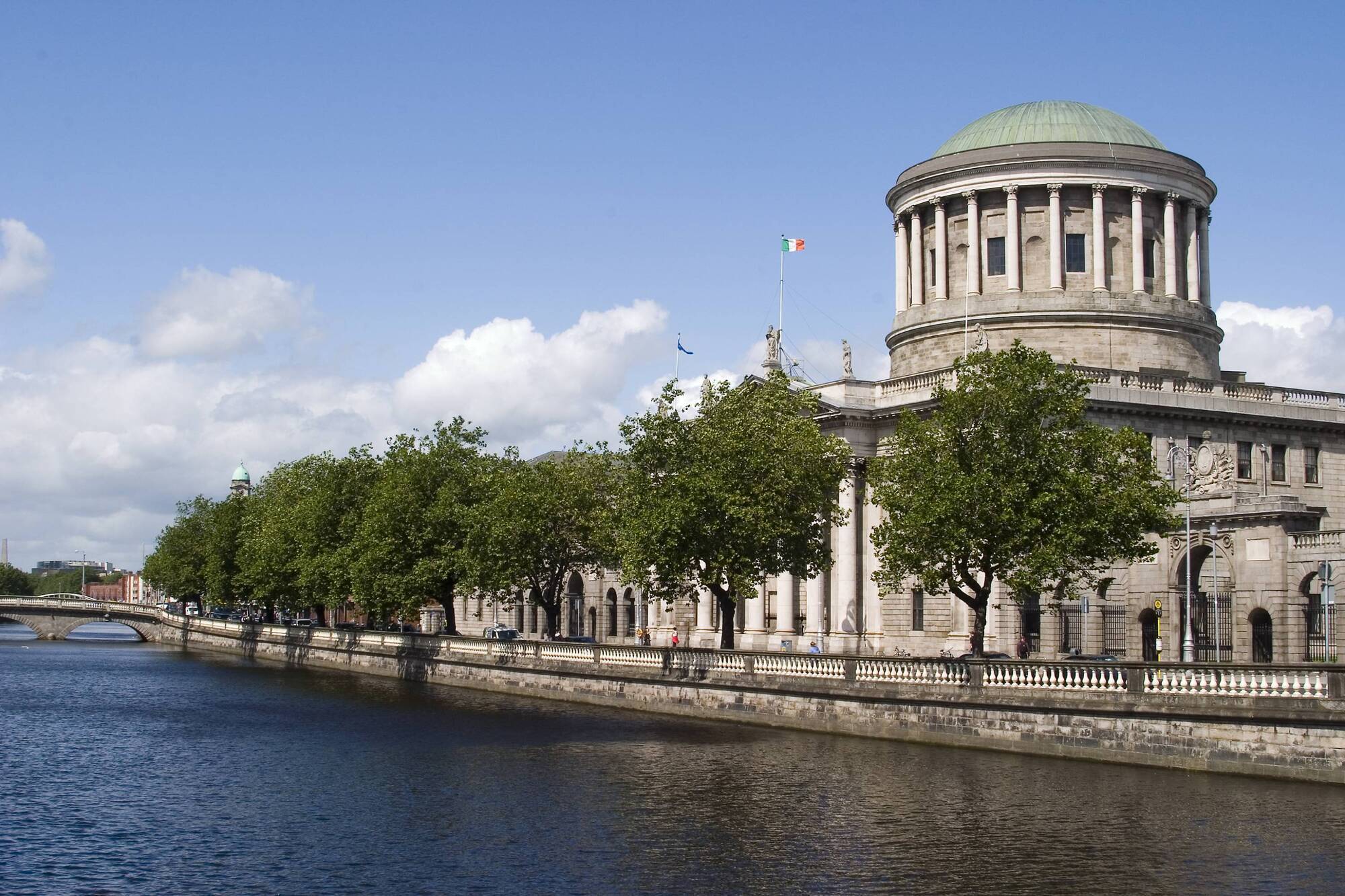
Mr Justice Michael Twomey reserved his decision at the High Court.

Businessman Patrick Kearney has not changed his claims against Davy stockbrokers and 16 of its former employees since the day he brought proceedings against them for alleged fraudulent concealment, the High Court heard.

Mr Kearney says he took the case after the Central Bank last year fined Davy a record €4.1m fine for regulatory breaches arising from personal account dealing.

That arose from an investigation report stating Davy prioritised facilitating an opportunity for 16 employees to make a personal financial gain when dealing with a client's bonds over ensuring that it was complying with its regulatory obligations.

Mr Kearney and his firm Kilmona Holdings claim J&E Davy and the 16 former employees, in 2014, made a secret profit of some €9.3m from the onward sale of his Anglo Irish Bank bonds, involving the fraudulent concealment of information about the employees being the purchasers. Davy and the 16 deny the claims.

This week, the 16 asked the court to strike out the Kearney/Kilmona claim as bound to fail on the basis of Mr Kearney's own pleadings.

It was argued that, from a previous 2015 case brought by him against Davy alleging sale of his bonds at an undervalue and a claim that there was a conflict of interest, Mr Kearney was aware his bonds were sold to the "O'Connell Partnership" and he was aware it was made up of the former Davy 16. That 2015 case was eventually settled.

On Wednesday, Martin Hayden SC, for Mr Kearney, said his side had not in any way "abandoned our case". He rejected an argument on behalf of the 16 that Mr Kearney knew who was involved around the time they were sold.

Mr Kearney's case

What Mr Kearney knew, and what he was told at the time, was that the Davy employees were providing finance for the purchase but he was specifically assured there was no connection between Davy and the purchaser despite the fact that this was not the case, counsel said.

Mr Hayden said the 16 personal defendants had mischaracterized the Kearney claim which has been consistent in its position in the previous proceedings and in this case.

The distinction between the representation that the Davy employees were lenders of finance for the purchase and who the purchasers were was fundamental to this case, he said.

The O'Connell Partnership was formed specifically for the concealment of what was happening with the bonds, he said. There are no returns from that partnership and it is not known what they received but we do know that the overall profit was €9.3m, he said.

The 16 former employees' claims

The 16 former employees' counsel had claimed that the distinction between the purchasers and the loan givers was "a yarn" but "if there is yarn-telling here, it is not my client", counsel said.

Mr Hayden, who also went through some of last year's Central Bank report which imposed the €4.1m fine on Davy, said his client was relying on the contents of that report in making his case.

Counsel also said the 16 only applied to strike out the case after Davy failed to succeed in a contested discovery application earlier this year.

In reply, Marcus Dowling SC, for the 16, said in terms of who made the most money out of this transaction, his clients were "in the ha'penny place". Including a €17m debt write-off and the settlement of the 2015 proceedings, Mr Kearney actually made a profit of €21m, he said.

Mr Justice Michael Twomey reserved his decision.

x

More in this section

The Business Hub

Newsletter

News and analysis on business, money and jobs from Munster and beyond by our expert team of business writers.

Cookie Policy Privacy Policy Brand Safety FAQ Help Contact Us Terms and Conditions

© Examiner Echo Group Limited