Ireland in strong position to attract work permit interest amid quicker processing times
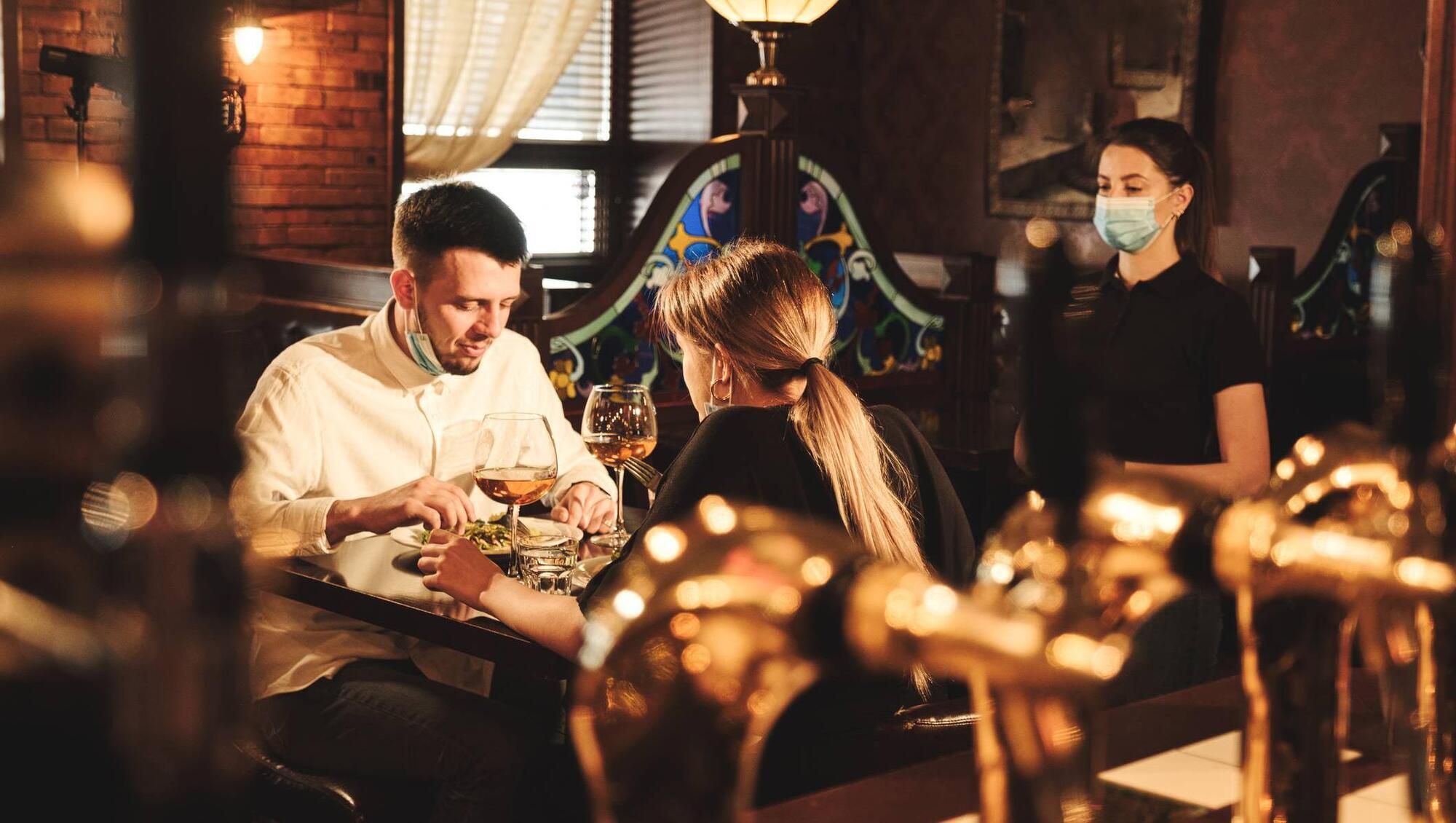
Workpermits.ie works to understand and anticipate the labour needs of Ireland's various sectors, including hospitality.
Ireland’s position in Europe as the only predominantly English-speaking country, as well as quicker work permit application turnarounds, is enhancing the country’s ability to attract workers from abroad to fill staff vacancies across a wide range of sectors.
However, concerns have been raised about the lack of affordable rental accommodation and the impact the cost of living crisis is having on potential recruitment to Ireland, particularly in cities such as Dublin.
Work Permits Ireland works with both companies and prospective employees to secure work permits for people seeking employment in Ireland.
Work Permits Ireland is a private immigration company with a team of highly experienced immigration consultants who have over twenty years’ experience in Irish immigration, working for clients from across the globe wishing to apply for an Irish employment permit.
The business has increased its workforce and moved to a larger premises, while it continues to work alongside the likes of the Restaurant Association of Ireland, the Irish Hotels Federation, the Irish Road Haulage Association and the Construction Industry Federation to understand and anticipate the needs of the various sectors.
Work Permits Ireland counts businesses such as Garryvoe and Bayview Hotels, The Cornstore in Cork and Limerick, Coqbull and the Spitjack in Cork and Limerick among its clients.
Speaking to The Irish Examiner, Colm Hilliard, director of Work Permits Ireland, highlighted Ireland’s potential post-Brexit, positive changes to the work permit system and reduced waiting times for work permit applications as having a positive influence in terms of attracting workers from abroad and filling vacant posts here in Ireland.
However, Mr Hilliard revealed that the cost of rental accommodation, particularly in Dublin and surrounding areas, as well as the cost of living, is a concern for many people coming from abroad with a work permit.

Last year, the government announced changes to the work permit system for workers from countries outside of the EEA in a bid to address skills and labour shortages in areas such as construction, hospitality and agri-food.
The changes included expanding eligibility for a general employment permit for workers in the construction sector, the removal of the heavy goods vehicle drivers’ quota and the expansion of the agri-foods worker quota.
Mr Hilliard explained that the changes have had a positive impact on the sector, and workpermits.ie has seen increased activity and demand.
“We have seen a push right across all the services, particularly in hospitality, and road transport and heavy goods drivers,” he said. “The construction industry saw big demand early in the year but it has slowed down a bit over the past few months.
“Right across the hospitality industry, we’ve seen a massive increase in demand for workers and in those positions being filled by workers from abroad. “That’s a positive sign because these companies wouldn’t be hiring if they weren’t getting the business,” he added.
“The permit applications can take a bit of time so many hotel and restaurant owners will be planning ahead. The demand for staff shows that their bookings must be indicating an upward trajectory over the coming months.”
Work Permits Ireland has also seen increased demand for staff in areas such as home healthcare and smaller ICT companies, as well as increased interest in workers seeking to fill those roles.
“The Department of Enterprise announced recently an extra 1,000 work permits for the home care sector so that demand is being addressed,” Mr Hilliard explained.
As well as increasing the amount of work permits for in-demand sectors, the government has also tackled long processing times for applications.
“We are seeing a very fast turnaround time now for processing permits,” revealed Mr Hilliard. “At the beginning of the year, applications were taking 12 to 16 weeks. That’s down to single figures now — for critical skills, it’s around two to three weeks and for general skills, it’s around five to six weeks.
“That Department would have been told there was a crisis and the process needed to be sped up and they have reacted positively,” he added. “If you were talking to me about 12 months ago, I would have said the process was too slow but the Junior Minister Damien English and the Department have reacted over the past year or so.”
People from across the globe are keen to come to Ireland to work and live, and that is only increasing, according to Work Permits Ireland.
“Out of the 200 or so countries, around 170 require entry visas to come to Ireland, including Thailand, China and Turkey,” explained Mr Hilliard. “When a permit is granted to someone from one of these countries, that person has to apply to the Irish embassy in that country for permission to travel to Ireland.
“That’s another service we provide and help people with. We have seen a marked increase in the number of entry visas that we’re doing compared to 2021,” he revealed.
Mr Hilliard said this illustrates that working in Ireland is becoming more attractive to people from further afield, and that this can only have a positive knock-on impact on Ireland’s economy.
“People come here to work because they have the skills, which may be in short supply here in Ireland,” he said. “They go straight into a job and start paying taxes and contributing economically.”
However, Mr Hilliard highlighted the lack of affordable housing and rental accommodation as a concern within the work permit sector.
“There is a lack of rental accommodation and someone coming from abroad to work in Dublin for example, is going to be hit hard with high rental costs,” he explained. “Somebody moving to the southern or western regions might be able to find better deals but high rental costs have been cited as a concern for some people in some cases.
“The cost of rental property and the lack of it has been an issue and it is impacting the ability to recruit in terms of location for employment.”
Mr Hilliard highlighted the importance of addressing the shortage in housing across Ireland, and bringing vacant and derelict properties back into use.
“This isn’t going to happen overnight and, to be fair to the government, they have made strides towards it while Ireland was impacted by international affairs, including the war in Ukraine,” he said.
Mr Hilliard highlighted Ireland’s potential, as the EU’s only remaining predominantly English-speaking country, to attract workers from abroad who might once have gone to the United Kingdom.
“Brexit has caused more problems for the UK than it has solved,” he said. “Many people don’t want to go to the UK because it’s no longer part of the EU, that’s the reality of it.
“People want access to more than just one country and the free travel within the EU is a huge incentive for getting people over to Ireland for work. We’re the only remaining predominantly English speaking country in Europe,” he added.
“A lot of people want to come to Ireland to build on their English and eventually access long-term residency and citizenship within the EU. That allows people free movement among the EU member states and is a huge incentive — we saw recently that the Irish passport is one of the most in-demand passports across the world.
“We can use our position to attract workers here to Ireland for several years and, while some choose to move on, many stay," he said.

CONNECT WITH US TODAY



Be the first to know the latest news and updates