Cathal Ryan: Power grid is key to unlocking carbon-free offshore wind and energy security          
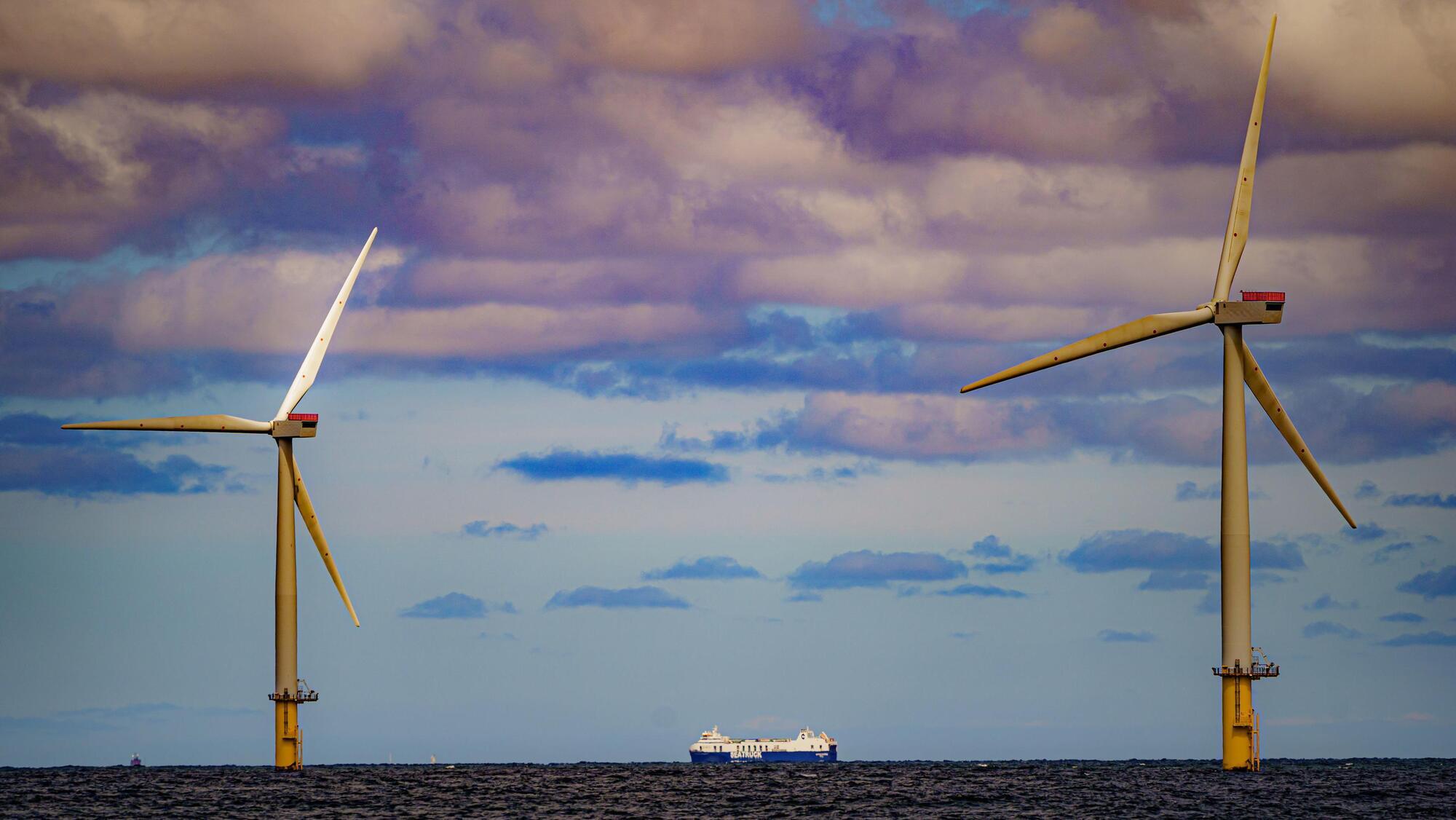
Already promising a welcome drop in Irish energy prices in the next five years, offshore wind generation offers the Government an opportunity to develop a major indigenous industry
Cathal Ryan: Power grid is key to unlocking carbon-free offshore wind and energy security          

The terms of the first ORESS (offshore competitions under the renewable electricity support scheme) are expected imminently. File picture: Ben Birchall/PA

There has been a welcome drop in wholesale gas prices across European markets in recent weeks, which will hopefully stop utility bills rising further. The other pressing issue for Ireland is how best to tap renewables to end the dependence on international energy markets.

Historically, using the natural resources involved drilling or digging for fossil fuels and using a vast network of terminals, pipes, ships, trains, and trucks to transport the fuel.

We can now choose a different path by using the electricity grid to tap a secure energy source that doesn’t rely on carbon.

The potential for offshore wind has been well publicised, but for the most part there is a lack of understanding of why it is taking so long to develop.

The Irish Government has long encouraged onshore wind via subsidies, which has been a tremendous success, and the Irish consumer now benefits from having a system that is supplied with up to 40% renewables.

Ireland built vast quantities of renewables through the so-called Renewable Energy Feed-in Tariff, or Refit scheme, which delivered on its promise of reaching the 2020 target of 40% renewable electricity.

The subsequent renewable electricity support scheme, RESS, has delivered two rounds of onshore renewables, including wind and solar.

The terms of the first ORESS (offshore competitions under the renewable electricity support scheme) are expected imminently.

This will be a seminal moment for the Irish energy industry, with several projects which are vying for the first round of contracts.

The Government is currently developing its offshore consenting scheme which is progressing at a snail’s pace, because the developers face uncertainty about the risks they face, including planning permissions, grid infrastructure and supply chains.

What this means for Irish consumers is that the prices in the first auction may be higher than in other more established offshore wind markets such as in Britain or elsewhere in the EU, although as with any new industry this is to be expected.

The pioneering projects will deliver huge quantities of offshore wind at more stable prices than international commodity markets can deliver.

According to Cornwall Insight’s latest price forecasts, onshore wind and solar, along with the first offshore projects will mean that Irish consumers can expect prices to drop significantly from current levels by the winter months of 2027.

Offshore wind will in effect provide a long-term hedge against volatile commodity prices.

However, a few issues also need looking at.

First, the power grid in Ireland was designed and upgraded over time with large fossil fuel generators in mind.

New transmission lines are difficult to build and are frequently become embroiled in legal battles.

Overhauling the way we build new grid infrastructure and future proofing the grid will be key to allow offshore wind to develop in Ireland.

After the first offshore auction, there will be another tranche of projects to come in the second phase up to 2030. These projects will be crucial for reaching the climate goals, but there is far too much uncertainty and the soon to be established Marine Area Regulatory Authority will need to take urgent action.

And finally there are supply chain issues, including skills and infrastructure which do not yet exist to build offshore projects in the scale that is wanted.

With offshore wind generation, there is a massive opportunity for the Government to develop an indigenous industry.

To realise the potential, strong action will be needed. Progress is being made, however the pace of change is not sufficient in the development of offshore wind to provide confidence that the 2030 targets can be met.

Ireland can become a leader in offshore wind and the industry is ready.

Most importantly, deployment of offshore wind alongside other renewables will benefit Irish business and consumers in the long term.

That means that lower and more stable prices are on the horizon.

  • Cathal Ryan is a senior consultant at Cornwall Insight Ireland

x

More in this section

The Business Hub

Newsletter

News and analysis on business, money and jobs from Munster and beyond by our expert team of business writers.

Cookie Policy Privacy Policy Brand Safety FAQ Help Contact Us Terms and Conditions

© Examiner Echo Group Limited