UK’s biggest tax cuts since 1972 trigger crash in the pound
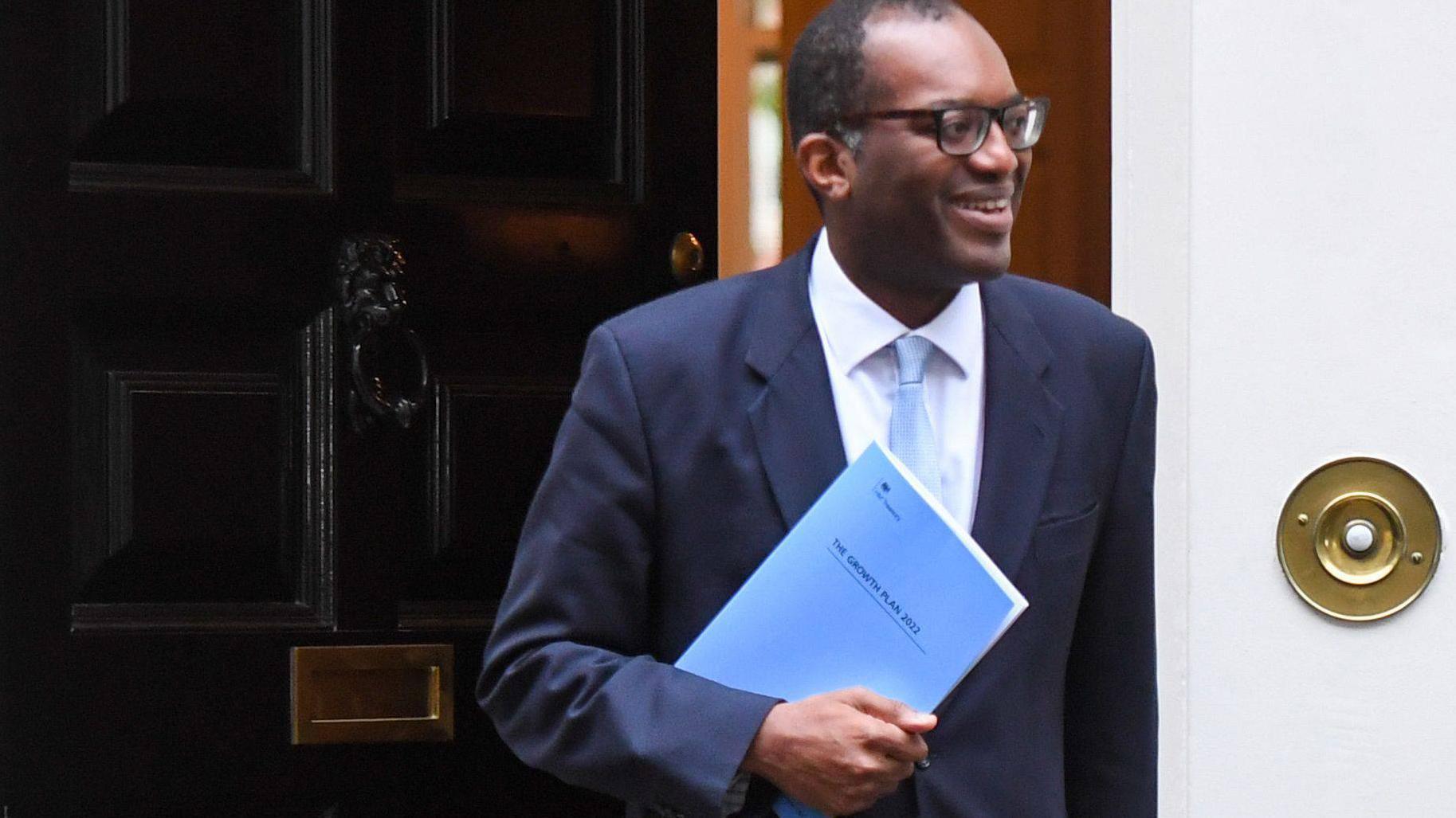
Kwasi Kwarteng's mini-budget included scrapping the 45% rate of income tax, leaving the top rate at 40%, and cut the basic rate from 20% to 19%.
Liz Truss’s new UK government delivered the most sweeping tax cuts since 1972, slashing levies on rich households and companies in a bid to boost economic growth in a move that triggered a massive market selloff of the currency and bonds.
Chancellor of the Exchequer Kwasi Kwarteng announced a series of tax cuts and regulatory reforms that will cost £161bn (€182.2bn) over the next five years.
That fanned concerns about inflation, already near a 40-year high, and about a spiralling government debt burden.
The pound crashed below $1.11 for the first time since 1985, sliding 2% in addition to declines earlier in the week. Borrowing costs on five-year government bonds jumped the most for a single day on record as traders dumped UK assets.
The package was more ambitious than expected, with a big giveaway for the UK’s wealthiest households and plans to tear up planning rules and reform financial regulations.
Kwarteng scrapped the 45% additional rate of income tax, paid by only the richest earners, leaving the top rate at 40%, and cut the basic rate from 20% to 19%.
He paid only lip service to concerns about rising public debt, reiterating a pledge to “reduce debt as a percentage of GDP over the medium term”.
The Conservative administration hopes its program of lower taxes and deregulation will turbocharge the economy, staving off a recession that the Bank of England says has already begun and shaking the UK out of a decade of weak growth.
Business groups embraced the decision, while economists said the measures may quickly become unaffordable.
Unions and the Labour opposition said the measures will benefit the rich and do little to help those on moderate incomes with a tightening cost-of-living squeeze.
Labour party branded it “casino economics” and others warned that the government’s fiscal credibility now depended on whether it can hit its growth target. Kwarteng rejected that criticism, saying:
“For too long in this country, we have indulged in a fight over redistribution.
“Our entire focus is on making Britain more globally competitive.”
He set a target of 2.5% trend growth, a level not seen since before the 2008 financial crisis.
“We promised to prioritise growth,” he told the British parliament yesterday.
“We promised a new approach for a new era.”
The Treasury responded to concerns about high levels of borrowing needed to pay for his giveaway by promising new fiscal rules later this year that will ensure the debt falls as a share of national income “in the medium term.” Kwarteng’s department also released figures suggesting stronger growth could lower borrowing by £40bn.
- Bloomberg
CONNECT WITH US TODAY



Be the first to know the latest news and updates