Europe energy crisis to last more than a winter, analyst says
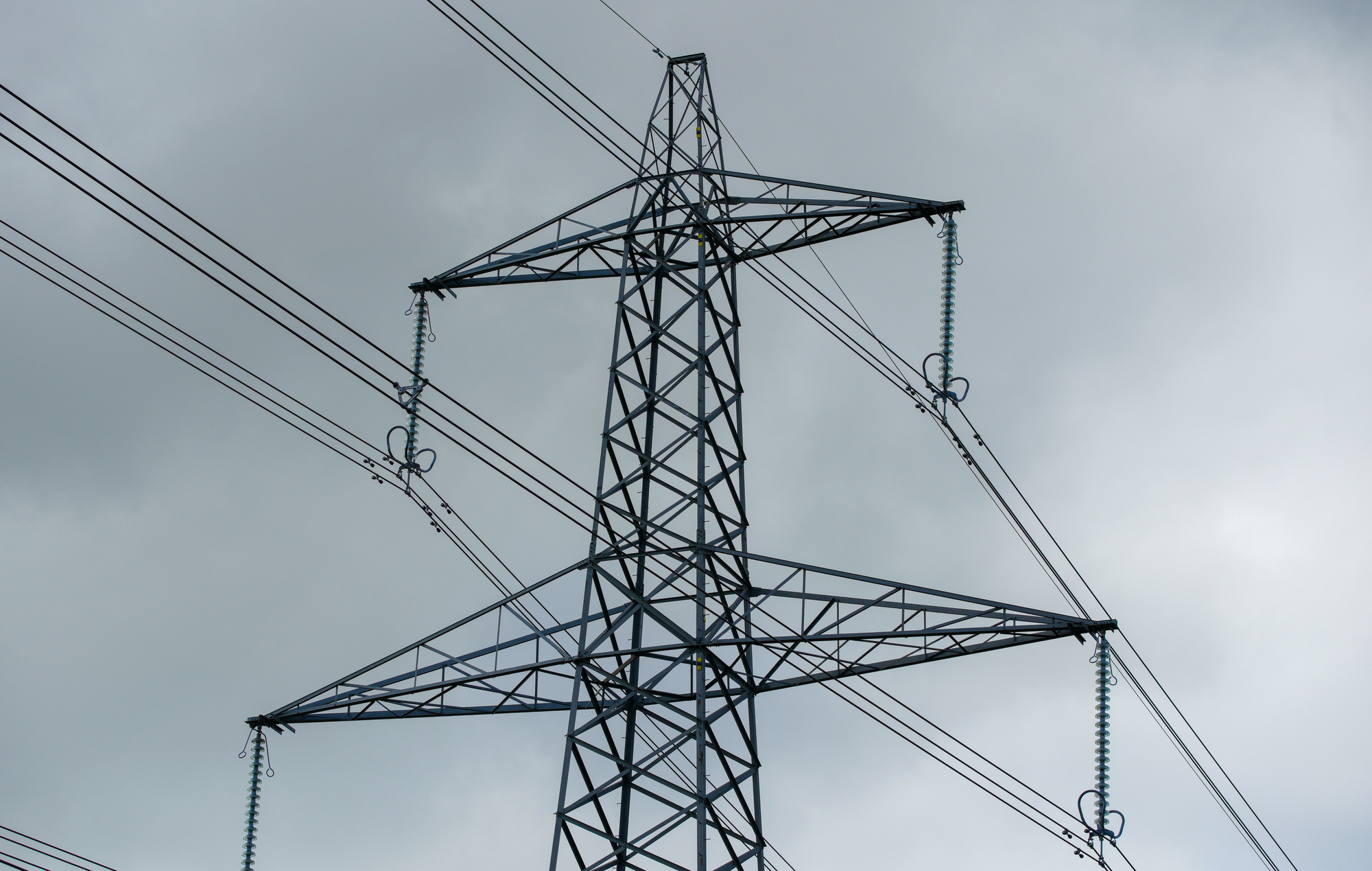
“This is not a one winter story,” Amrita Sen, chief oil analyst at the industry consultant, said in a Bloomberg television interview.
Europe’s crippling energy crisis could extend through the end of 2023 as the region grapples with robust demand and a squeeze in supply exacerbated by Russia’s war in Ukraine, according to Energy Aspects Ltd.
“This is not a one winter story,” Amrita Sen, chief oil analyst at the industry consultant, said in a Bloomberg television interview with Shery Ahn and Haidi Lun. Russia is needed to balance the market, not just for the upcoming winter, but potentially the following cold spell at the end of next year, she added.


Read

Listen

Watch

Play
CONNECT WITH US TODAY



Be the first to know the latest news and updates




The Business Hub
Newsletter

News and analysis on business, money and jobs from Munster and beyond by our expert team of business writers.
The Business Hub
Newsletter
News and analysis on business, money and jobs from Munster and beyond by our expert team of business writers.

Lunchtime News
Newsletter
Get a lunch briefing straight to your inbox at noon daily. Also be the first to know with our occasional Breaking News emails.
Revoiced
Newsletter
Had a busy week? Sign up for some of the best reads from the week gone by. Selected just for you.
Most Read
Tuesday, October 27, 2026 - 11:00 AM
Tuesday, October 27, 2026 - 12:00 PM
Tuesday, October 27, 2026 - 8:00 AM