Ibec: Raising wages will damage businesses which are already struggling to pay energy bills
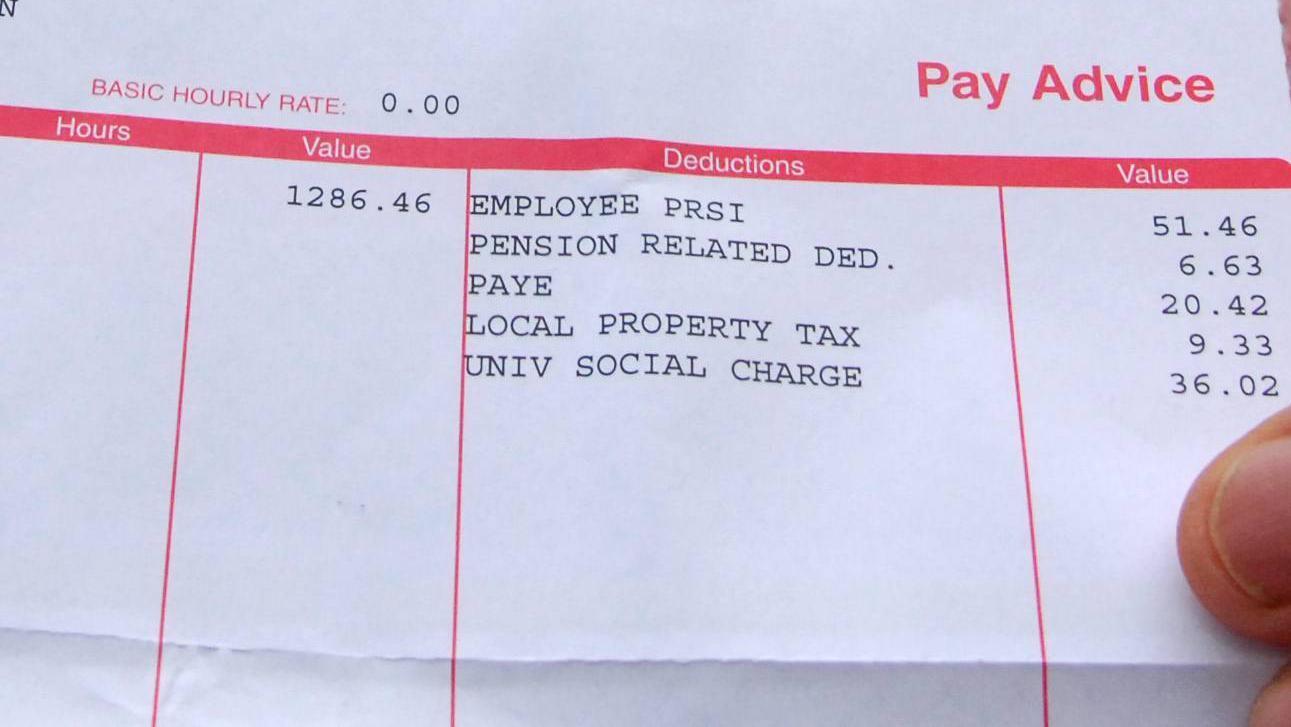
Experts have said wage increases could damage Ireland's competitiveness. File picture: Eddie O'Hare
Ibec said increasing wages to battle inflation will undermine the country’s competitiveness as firms struggle with other high costs such as surging energy bills.
Ireland’s largest business representative group proposed a number of measures in its pre-budget submission to government aimed at supporting businesses and consumers as they battle economic headwinds, but indicated wage increases would be the wrong direction to go down.
“There is no way employers can compensate employees for the full cost-of-living crisis,” said Fergal O'Brien, director of lobbying and influence at Ibec.
Ibec’s view on wage increases echoes comments made by Minister for Expenditure Michael McGrath earlier this year. Mr McGrath said raises would create a “wage spiral” and would damage Ireland’s competitiveness.
Others think wage increases are inevitable due to the rampant rise of prices. Managing director of Baggot Investment Partners, Peter Brown, said goods that have no real reason to rise in price are showing increases of more than 10%.
“Inflation is the great excuse to increase profit margins. That will result in wage demands, which, when conceded, imbed inflation into the economy,” Mr Brown recently wrote in the .
Inflation reached 9.6% in Ireland last month according to figures from Eurostat. Ireland’s inflation rate is higher than the average for the eurozone as a whole which is running at 8.9%, according to the European statistics office.
Irish economists have predicted high levels of inflation will run into next year. Ibec is therefore expecting government to introduce tools in the upcoming budget that will allow it to flexibly tackle current economic headwinds even months after budget day.
The lobby group added that government won’t be able to address the cost of living crisis across the board through fiscal policy alone.
“The reality is we’re all going to feel a little bit poor, unfortunately,” said Mr O’Brien.
Ibec has urged government to create a €2bn package for businesses to cushion high costs as much as possible. This €2bn package of spending and tax measures proposed by Ibec is in line with what experts have recommended government should do.
Ibec said the main concern being expressed by its members is the high cost of energy bills. Smaller firms are seeing their bills go up tens of thousands while one larger member said its energy bill went form €20m to €100m.
“Energy costs are causing a significant threat to viability,” said Mr O’Brien.
He said that Ibec members are seeing energy costs which are four or five times higher than 2021 and more businesses are cutting their training budgets for staff as they struggle to fight these soaring costs.
Ibec has called for government to introduce a payment break and a rebate for training as part of the National Training Fund.
“We are facing significant global economic headwinds, with the era of record low interest rates, low inflation, and spare capacity ending,” said Ibec's chief economist, Gerard Brady.
CONNECT WITH US TODAY



Be the first to know the latest news and updates