Oil price heads higher again due to uptick in demand
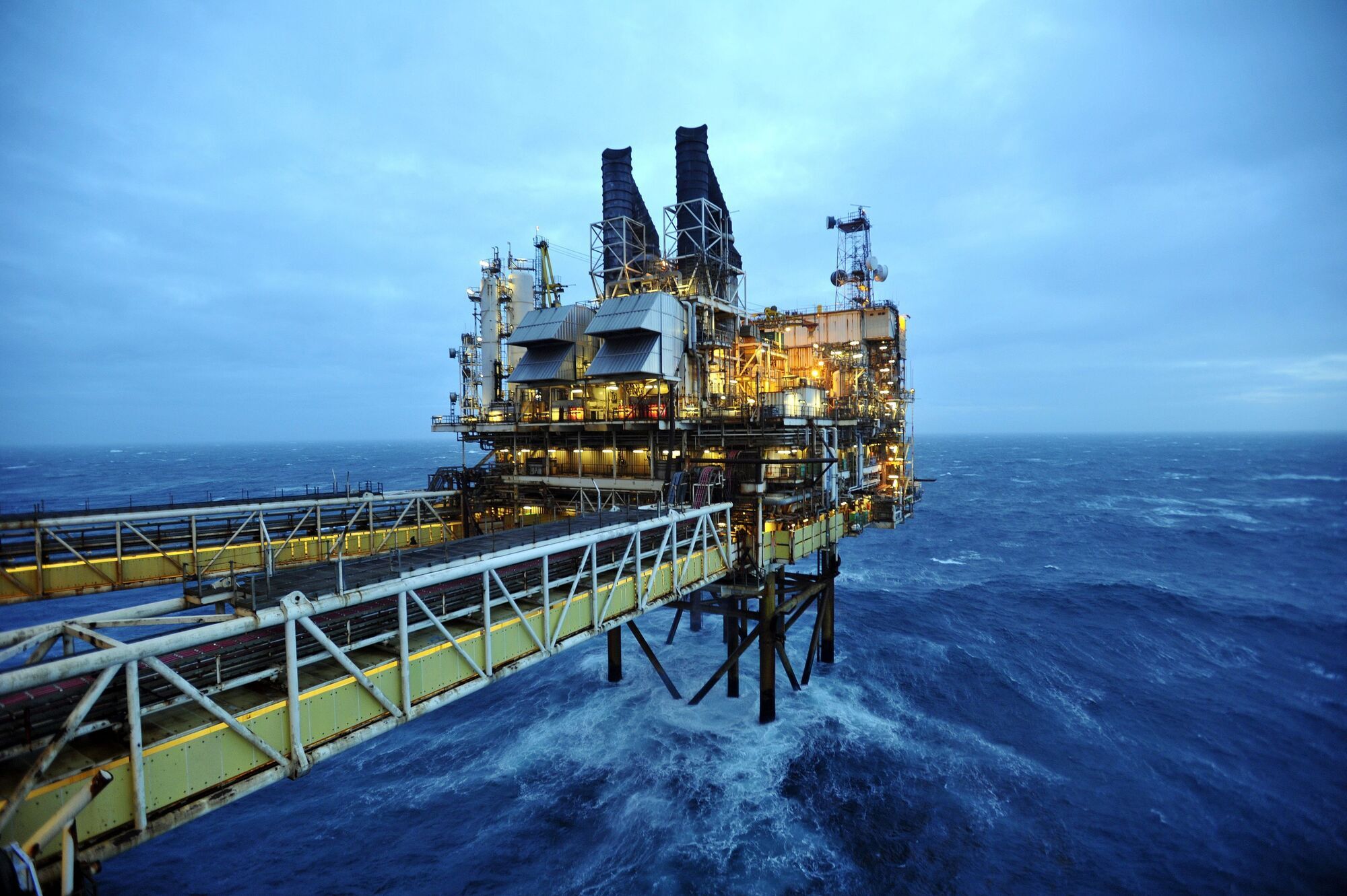
Brent crude gained $2.39, or 2.5%, to $99.79 a barrel.
“Natural gas and electricity prices have soared to new records, incentivising gas-to-oil switching in some countries,” the Paris-based agency said in its monthly oil report. It raised its outlook for 2022 demand by 380,000 barrels per day.
By contrast, the Organization of the Petroleum Exporting Countries (Opec) cut its 2022 forecast for growth in world oil demand, citing the economic impact of Russia’s invasion of Ukraine, high inflation and efforts to contain the pandemic. Opec expects 2022 oil demand to rise by 3.1m barrels a day, down 260,000 barrels from the previous forecast.
However, it still sees a higher overall global oil demand figure than the IEA for 2022.
Prices were also boosted by a weakening dollar, which extended its losses against other major currencies after a report showed US inflation was not as hot as anticipated in July, prompting traders to dial back expectations for future rate hikes by the US Federal Reserve.
A rise in US oil inventories last week and the resumption of crude flows on a pipeline supplying central Europe capped further price gains.
US crude oil stocks rose by 5.5m barrels in the most recent week, the US energy information administration said, more than expected.
Petrol product supplied rose in the most recent week to 9.1m barrels per day, though that figure shows demand down 6% over the last four weeks compared with the year-ago period.
The resumption of flows on the southern leg of the Russia-to-Europe Druzhba pipeline further calmed market worries over global supply.
Russian state oil pipeline monopoly Transneft restarted oil flows via the southern leg of the Druzhba oil pipeline.
Ukraine had suspended Russian oil pipeline flows to parts of central Europe since early this month because Western sanctions prevented it from receiving transit fees from Moscow, Transneft had said this week.
Meanwhile, German energy giant RWE is holding talks with a larger number of suppliers of liquefied natural gas (LNG), not just Qatar and North America, chief executive officer Markus Krebber said, as Germany’s largest power producer continues its efforts to replace Russian gas volumes.
RWE earlier this year said it was in discussions with potential LNG suppliers in the US and Qatar, as Germany tries to diversify away from Russia, its largest supplier of natural gas. Sources told Reuters in May that talks with Qatar have proven difficult over disagreement regarding key contract clauses, most notably differences over how long supply agreements would run.
German economy minister Robert Habeck said last month that Qatar had decided not to make a good offer and that potential importers had procured gas elsewhere for now, reported.

CONNECT WITH US TODAY



Be the first to know the latest news and updates