Gas prices for delivery in December double in 10 weeks on supply fears
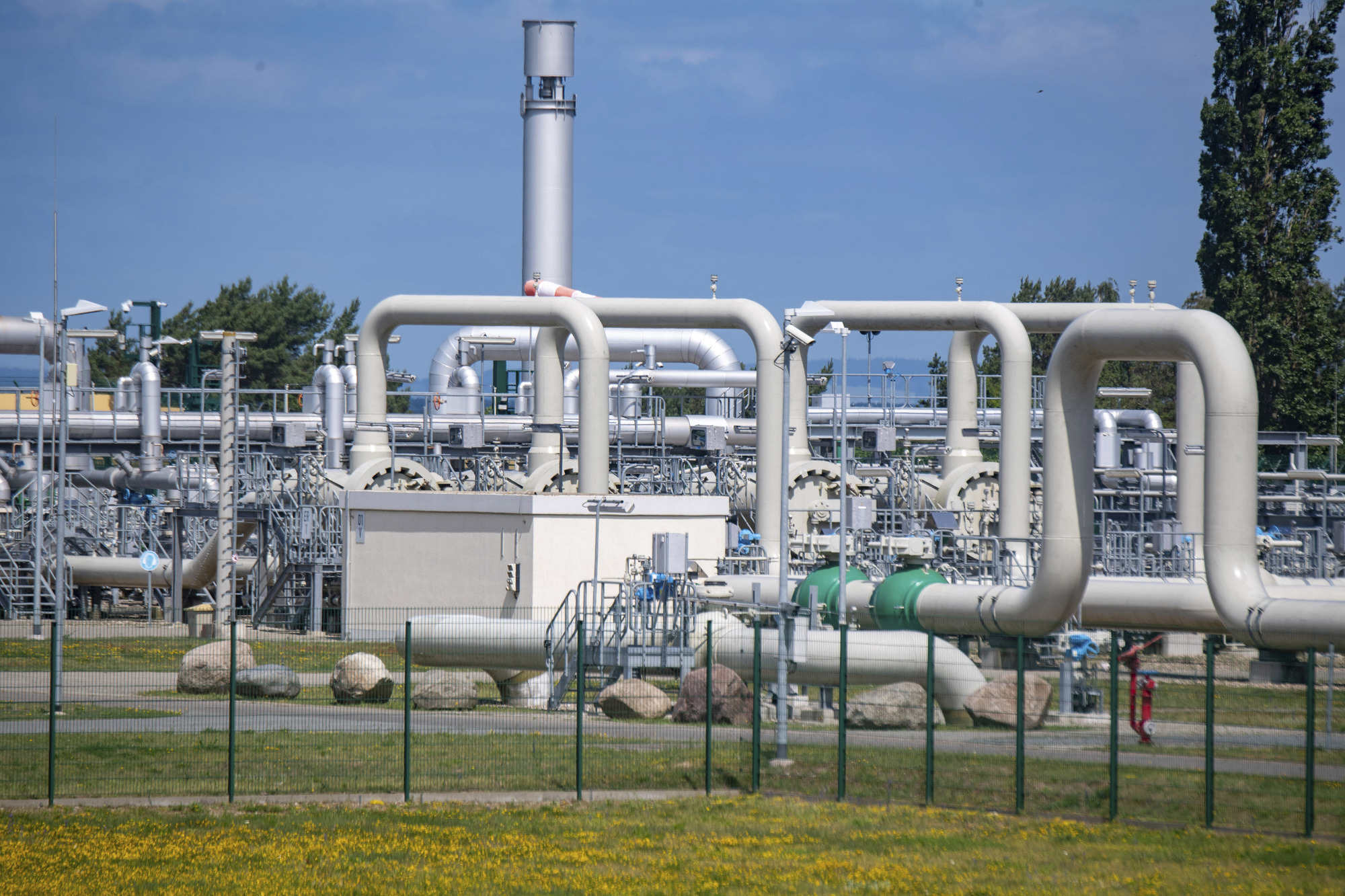
Pipe systems and shut-off devices at the gas receiving station of the Nord Stream 1 Baltic Sea pipeline at Lubmin in Germany. Oil has opened August on a weak footing after declining the prior two months on demand concerns.
European wholesale gas prices traded close to record highs yesterday, according to futures markets, which suggests that traders still fear that Russia will turn off the gas to the European Union in the coming months.
Prices for the so-called Dutch TTF market which reflect prices paid in continental Europe for delivery in December traded on Tuesday at €206 per kilowatt hour. That's up 2.5% in the latest session and means the price of December gas has now doubled in the past 10 weeks.
Ireland uses about a quarter of its wholesale gas by power stations to generate electricity on the all-Ireland grid from the offshore Mayo gas field. The rest comes via interconnectors from the North Sea.
Rising prices of continental European gas may not automatically mean that Irish wholesale prices push higher, but that is the case more times than not, because natural gas is a globally traded commodity.
The high cost of wholesale gas continues to reflect fears that Russia will cut its gas supplies to Europe along the key Nord Stream 1 pipeline in the coming months.
The EU last month issued non-mandatory advice for member states to cut gas consumption by 15% designed to help build storage ahead of any winter disruption to gas supplies.
There was no relief from energy costs elsewhere, as global crude oil edged higher on Tuesday.
The price of Brent crude, a global benchmark, rose almost 2% to $102 a barrel ahead of the meeting of oil producing countries.
The Organisation of Petroleum Exporting Countries and its allies are due to gather virtually tomorrow to decide on output policy for September.
Oil-watchers are sceptical that the group, called Opec+ will answer US president Joe Biden’s call for more oil supplies when it meets, expecting the coalition to preserve its remaining capacity for another time.
Oil has opened August on a weak footing after declining the prior two months on demand concerns. The drop has wiped out almost all of the gains seen since Moscow’s invasion of Ukraine in late February, even after Washington and the European Union imposed a raft of sanctions on Russian energy exports.
“The price outlook is starting to look a little bit shakier than it was earlier in the year,” Emma Richards, a senior analyst at Fitch Solutions, said in a Bloomberg Television interview. “Demand-side concerns are creeping more and more into the picture” and “we’ll probably see more of that later in the year”, she said.
The Opec+ meeting comes after Mr Biden urged Saudi Arabia to pump more oil on a visit to the kingdom last month. The alliance has already agreed to return all the supplies it took offline following the outbreak of the pandemic, although some members have been unable to meet quotas in full.
Investors are also digesting earnings from so-called supermajor BP, which raised its dividend and boosted share buybacks after profit rose to the highest since 2008.
The company reported strong refining margins and an exceptional performance from oil trading. Adding to a growing list of firms reporting the best profits in their history, Vitol, the world’s largest oil trading company, posted on Tuesday a record profit of $4.2bn (€4.1bn) for 2021 as it benefited from soaring energy prices.
- Additional reporting Bloomberg
CONNECT WITH US TODAY



Be the first to know the latest news and updates