Eoghan O’Mara Walsh: Tourism faces new threats post-Covid
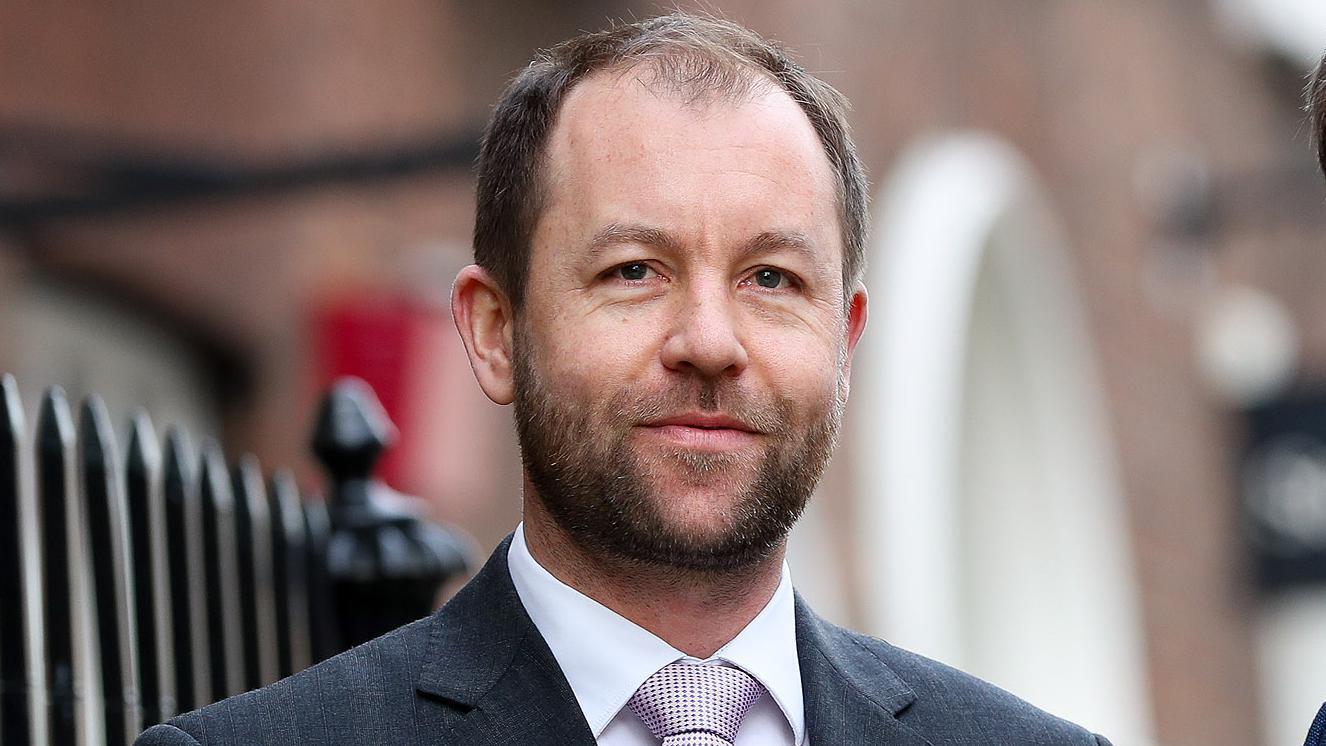
Eoghan O’Mara Walsh, CEO of The Irish Tourist Industry Confederation (ITIC). Picture: Maxwell
Covid-19 cost Irish tourism a whopping €12bn over a two-year period as international visitors — the mainstay of the industry — were prevented from coming to our shores.
The 20,000 businesses within Ireland’s tourism and hospitality industry had been kept alive thanks to Government financial assistance and staycation demand from the domestic market.
The sector has rebounded strongly since March, when travel, tourism, and hospitality were finally allowed to reopen.
Figures by the Irish Tourism Industry Confederation (ITIC) point to the volume of international visitors in June being down only 13% compared to the record high for the same month back in 2019.
The key North American markets are performing particularly well, benefiting from Aer Lingus’s reinstatement of much of its transatlantic services.
Such has been the surge in demand that supply has struggled to keep pace. A shortage in hotel capacity, a labour crunch, and an acute lack of car rentals are all proving problematic.
Allied to the double-digit cost inflation that tourism businesses are facing means that consumer prices have risen sharply. This has understandably put a spotlight on value. All data points to Ireland being an expensive country within which to operate a business due to high labour, insurance, energy, and credit costs.
Few other European countries have a business cost base as high as ours. Saying that, Ireland’s tourism and hospitality industry knows that despite cost increases and price rises, it must give domestic tourists and international visitors a high-quality experience and protect its value proposition.
But strong demand can change quickly, and this is what tourism industry leaders are increasingly worried about.
The macroeconomic stormclouds are on the horizon and, with interest rates rising and inflation embedded, there is concern that 2023 will be a far softer year. Thus, the budget becomes of critical importance to Ireland’s tourism industry.
Public, political, and media assumptions that tourism is back and its problems are gone need to be dispelled. Now is not the time for the Government to pull the pro-tourism policies it had put in place during the pandemic. Investment needs to be retained, particularly in the area of overseas marketing, which will be crucial next year when demand will need to be stimulated.
A mature and measured approach needs to be taken in relation to the 9% tourism Vat rate.
It is due to be increased to 13.5% next February, a move which the tourism industry is set against. A Vat rate of 9% puts Ireland on an even keel with its European peers. To increase it would not only damage our competitiveness, but also add to industry’s cost base, depress demand, and risk further value erosion.
The truth is the only way to moderate price is to increase supply of hotel rooms. This should happen by default in the coming months as an additional 3,000 new bedrooms are set to open and Ukrainian refugees vacate hotels and are housed in more appropriate accommodation, as Government wishes.
Climate change is also a big concern for tourism leaders. A key report was published by ITIC in April, which includes policy recommendations that will enable tourism and hospitality businesses to become more carbon-efficient.
CONNECT WITH US TODAY



Be the first to know the latest news and updates