Britain needs to get serious about growth, Tory contenders told
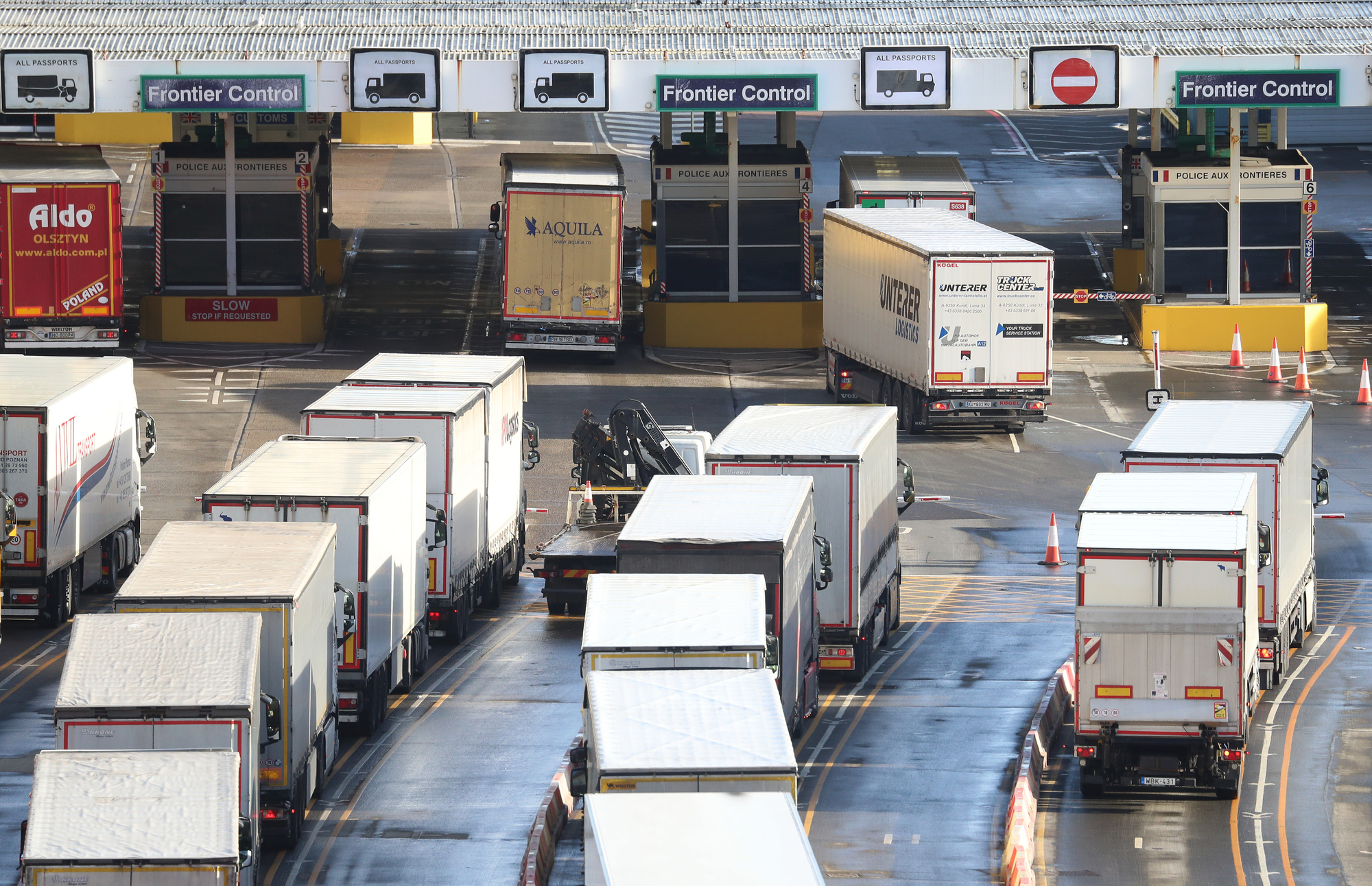
Growth in exports of goods to the EU proved a stumbling block, rising just 2.6% in the month of May compared with 12.7% growth in shipments to the rest of the world.
The British government is not serious about tax policy, levelling up, inequality or productivity because officials refuse to acknowledge the scale of Britain’s relative economic decline over the past decade and a half, according to a leading think tank.
In a veiled attack on the Tory leadership contest, which has become a parade of tax-cutting pledges, the Resolution Foundation drew attention to the UK’s “toxic combination” of low growth and high inequality. That mix has left the typical family almost £9,000 (€10,645) worse off than their equivalents in comparable countries, it calculated.
“A new economic strategy aiming to address this failure needs to be serious about the scale of change required, and go far beyond promises of tax cuts,” the think tank said.
Resolution’s call for serious politics was echoed by the CBI, the UK’s leading employer group. In an open letter to Tory contenders vying to replace Boris Johnson, director general Tony Danker urged the candidates to “develop serious, credible and bold plans for growth”.
Of the candidates, only former chancellor Rishi Sunak has signalled that he would put the public finances first, cutting taxes once inflation is brought under control.
Meanwhile, Britain’s trade deficit widened for a fourth month in May as growth in exports of goods to the EU slowed. The overall deficit in goods and services reached £27.9bn in the three months to May — up by £8.6bn from the preceding three months, the UK's Office for National Statistics said.
Growth in exports of goods to the EU proved a stumbling block, rising just 2.6% in the month of May compared with 12.7% growth in shipments to the rest of the world.
The figures suggest the UK’s trade performance continues to deteriorate, marked by the worst quarterly current account deficit since records began.
Sterling’s drop below $1.20 shows little sign of boosting the UK’s trade competitiveness. Exports are rising fast, but imports are increasing even more. That’s left the net position worse and kept the currency under pressure.
Trade with the EU has been a problem since the Britain’s exit from the EU in 2021. That brought new border checks and frustrated both importers and exporters with delays and paperwork. Economic studies have shown that the UK has lost relative export strength in the EU.
William Bain, head of trade at the British Chambers of Commerce, said the widening deficit was a concern and that “stronger performance on growth in services and goods exports is needed to counteract this and soon”.
Exports to the EU of machinery and transport equipment, as well fuel, were strong in May as the UK stepped up efforts to supply armaments and natural gas to the continent. But that was more than offset by other factors, including the rising price of food imports.
CONNECT WITH US TODAY



Be the first to know the latest news and updates