Irish Sea protocol and Scottish independence vote uncertainty 'face next Tory leader'
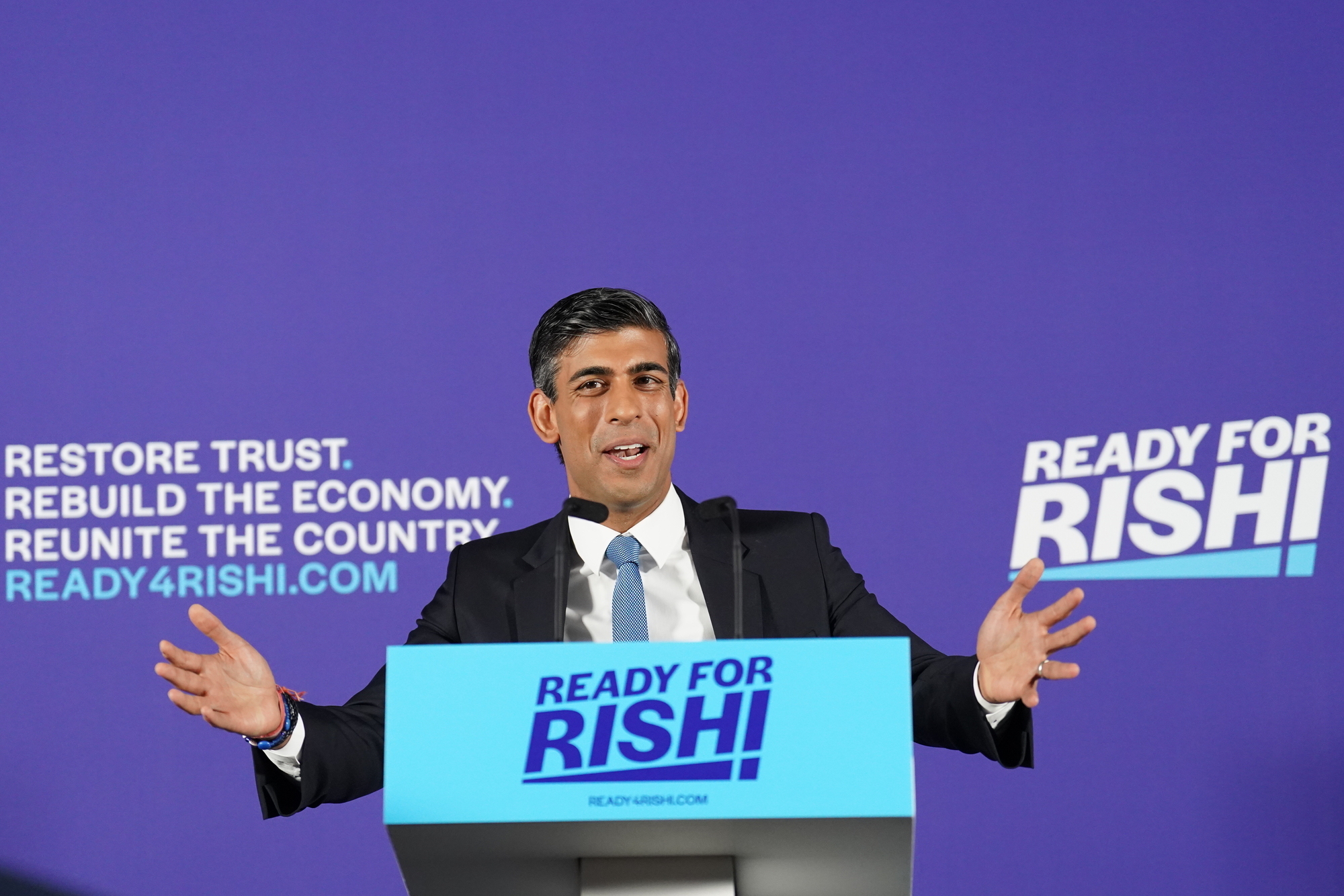
Rishi Sunak speaking at the launch of his campaign to be Conservative Party leader narrowly leads the race.
A new British leader is likely to follow "a broadly prudent path" for the public finances but uncertainty over the Irish Sea protocol and calls for a vote on Scottish independence will face whoever wins the Tory party contest, ratings firm DBRS has said.
The assessment comes as the list of candidates seeking to be named the next British prime minister by early September thinned somewhat, with former chancellor Rishi Sunak still narrowly leading the race, according to the latest bookmaker odds.
Many of the candidates are telling the Conservative electors they will cut personal and business taxes should they win.
However, DBRS said the resignation of Boris Johnson last week will have "limited impact" for the British economy, but the planned corporation tax rise to 25% from 19% in 2023 now looks uncertain because of the tax-cutting pledges of various candidates, it said.
On the Northern Ireland protocol, the ratings firm said it was possible a new leader would strike "a more conciliatory tone" with the EU, "although this is a highly uncertain call to make".
"One challenge that is unlikely to change and that any new leader will have to face is Scotland's attempt to hold a referendum on independence," Adriana Alvarado, senior vice president in the global sovereign ratings group at DBRS, said.
“Although there is uncertainty over who the next prime minister will be and whether or not there will be any change in the direction of economic and fiscal policy, we think this uncertainty will be short-lived”, Ms Alvarado said. “We still expect that in the longer term, fiscal policy will follow a broadly prudent path”.
Meanwhile, the risk of a UK recession in the next 12 months is now almost 50-50, according to a Bloomberg survey that underscores the darkening outlook for the British economy. While official estimates currently show it is likely to dodge two consecutive quarters of contraction, economists are turning increasingly pessimistic because of a surge in inflation.
The 13 analysts who answered Bloomberg’s survey in July anticipate a 45% chance of such a downturn in the next year. That’s three times higher than the probability recorded when the survey was done at the start of 2022. The figures show the scale of the economic challenge awaiting the next leader.


CONNECT WITH US TODAY



Be the first to know the latest news and updates