Second quarter sees rise in land sales following slow start
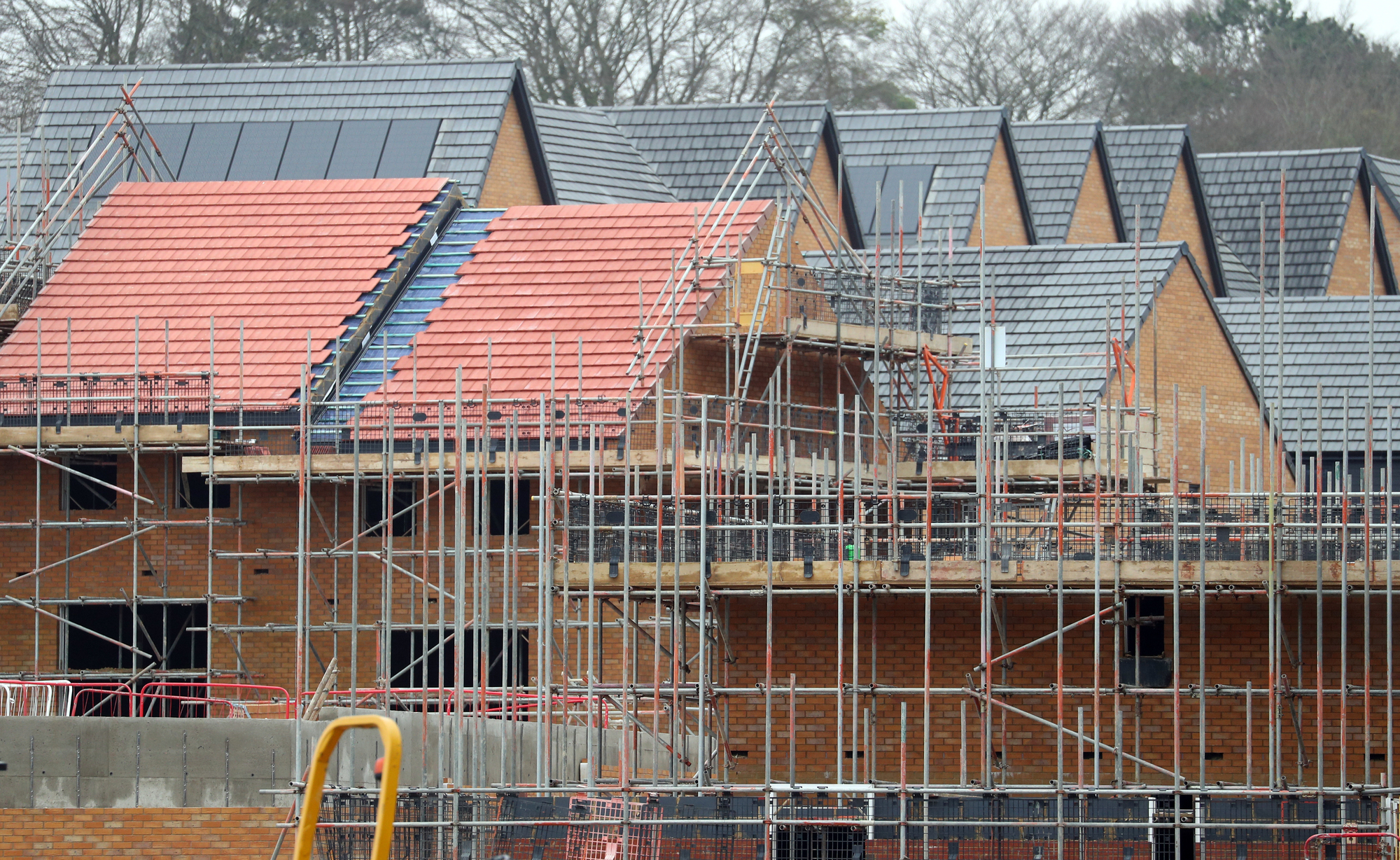
The majority of deals took place under €5m however, two transactions of over €50m were recorded.
Land sales in Ireland picked up in the second quarter following a slow start to the year according to Savills Ireland.
Total development land volumes for the first half of the year came in at €275m.
This is 11% low than the average volume of sales for the first half of the year. However, second quarter sales, at €193m, were up 33% from the average showing a significant pick-up in land sales.
The majority of deals took place under €5m however, two transactions of over €50m were recorded.
The two €50m deals represented 58% of the market turnover.
The two largest sales from the previous quarter were Molyneux House – which sold for €20m – and Beech Hill, Clonskeagh, which sold for a price in excess of its €13.5m guide.
Analysing the volume of sales by potential use, the largest share of volumes in the second quarter was from mixed-use and industrial sites at 28% and 39% respectively.
The largest transaction of the quarter was the sale of 5.2 acres at 1-4 East Road to Eagle Street. Carried out by Glenveagh the transaction sold in excess of €60m.
The second-largest deal of the quarter was IPUT's acquisition of 118 acres of land at Killamonan Business Park for over €50m.
The remaining three of the five top deals sold for a combined €26m for over 100 acres.
Savills Ireland stated that a number of "challenges remain in the market in terms of planning permission uncertainty".
Rising costs associated with construction, as well as viability issues are impacting a number of schemes according to the property advisor.
John Swarbrigg, director of development land, Savills Ireland said: “While the development land market is facing challenges surrounding rising interest rates and viability issues there is some positive sentiment that construction cost inflation will soon ease – however, only time will tell.
A strong pool of buyers are active in the market and demand continues, particularly for good quality, well-located sites. The industrial sector, in particular, faces a shortage of sites and as a result, is unlikely to experience any oversaturation in the near future," Mr Swarbrigg added.

BLACK FRIDAY
Already a subscriber? Sign in

CONNECT WITH US TODAY



Be the first to know the latest news and updates