Brian Keegan: The budget costs of cutting Vat and income taxes
In all likelihood we will see a balancing act on budget day between income tax reductions and reductions in Vat and excise
Brian Keegan: The budget costs of cutting Vat and income taxes

Reducing tax on fuel and other items benefits everyone across the board but comes at a very high price. 

The Summer Economic Statement published last week was never going to offer much in the line of specifics as to what the Government might do in the next budget but it does provide the headline figure for the tax relief to be allocated next September: That figure has been penciled in at just above €1bn.

We haven't seen so much money set aside for tax reliefs since before the crash of 2008. 

The difference is that while tax relief back then was akin to offering vitamin pills to make everyone feel better, the tax relief now needed is akin to pain relief, taking the sting from inflationary costs.

There are two approaches that government can take to use the tax system to tackle inflation. 

One approach is to reduce the amount of taxes charged on goods and services; by reducing Vat or excise on fuel, services, and some grocery categories, government can moderate higher prices. 

The other approach is to leave citizens with more purchasing power by reducing income tax. Both approaches have advantages and disadvantages.

Reducing tax on fuel and other items benefits everyone across the board but comes at a very high price. 

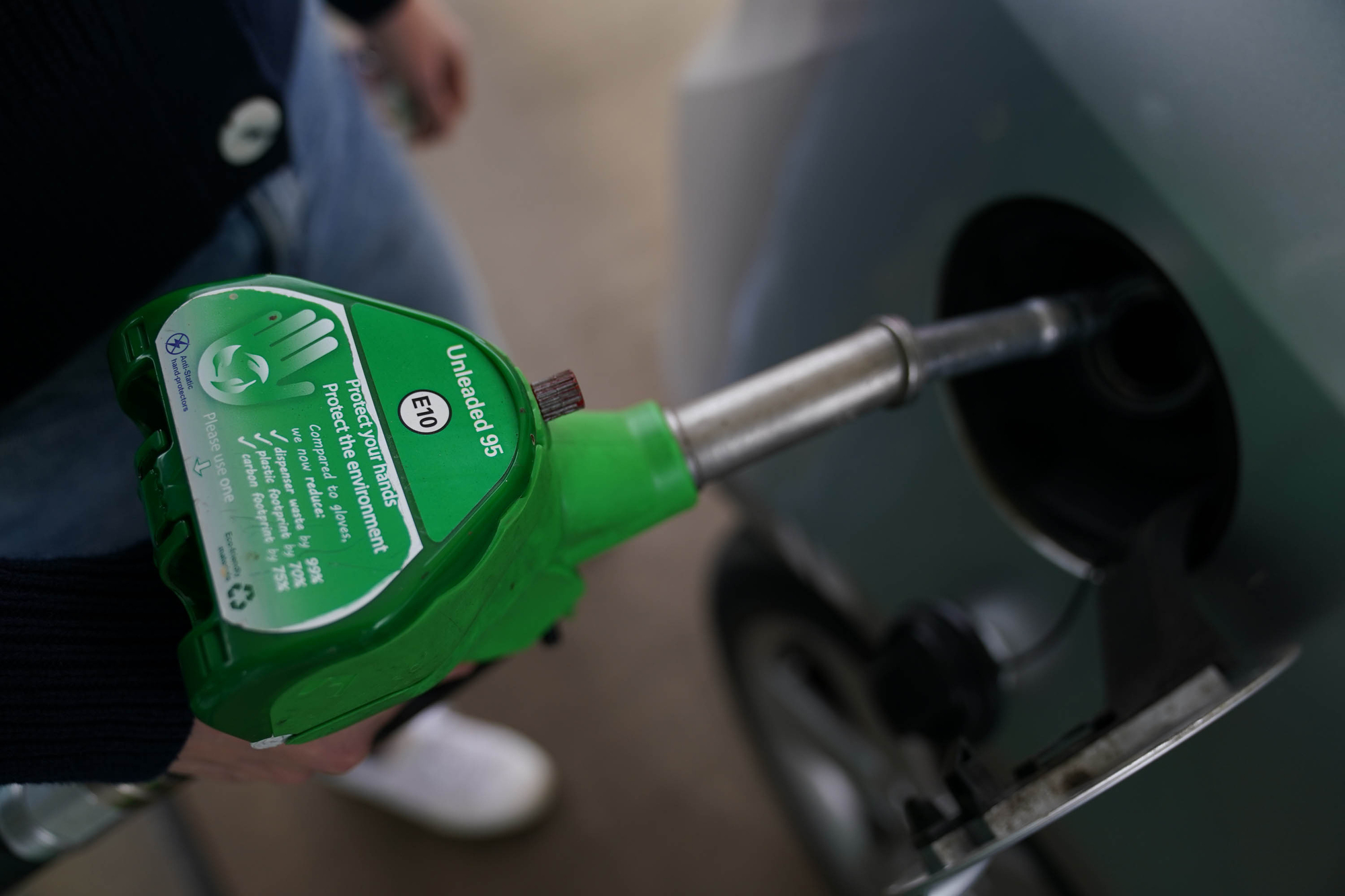
For instance, cutting excise to reduce the cost of auto diesel alone by 30 cent per litre would swallow up most of the tax allocation.

Income tax reliefs don't come cheap either: If income tax personal allowances and the tax bands were increased to take account of inflation at say 7%, that would cost the Exchequer €850m. 

Reducing tax on wages isn't an ideal solution either, because almost half of all workers pay little or no income tax as matters stand, so additional tax relief is of scant benefit to them.

However, one strong argument for reducing tax on wages is that it helps counter the inflationary spiral. 

Employers are already under pressure to increase wages, as staff grow discontented with the erosion of purchasing power. 

That's not an unreasonable attitude for workers to take, but many businesses, particularly small businesses, cannot afford additional wage costs as they are already struggling to emerge from the strictures imposed during the pandemic.

Budget 2023 will be an exercise in managing disappointment, as no one sector is going to be entirely happy with the budget package and everyone will continue to see some erosion in their purchasing power and living standards. 

In all likelihood we will see a balancing act on budget day between income tax reductions and reductions in Vat and excise.

More positively, we can be reasonably confident that government will have the cash available to make an appreciable difference to living conditions on budget day. 

From an exchequer perspective, inflation is a double-edged sword; too much inflation does damage an economy, but inflation bolsters tax receipts in the short term. 

Vat for example is charged on wholesale prices, so as prices increase, so too do Vat receipts. Similarly, if inflation is driving wages upwards, income tax, USC, and PRSI receipts will also increase.

It may well turn out that the current level of inflation, the likes of which we have not seen for several decades, is a temporary bump. 

Inflation could dissipate reasonably quickly, particularly if there is an early and sane settlement to the conflict in Ukraine. 

Nor should we lose perspective. The pandemic was a much greater challenge to people's wellbeing and prosperity than the current inflation crisis.

  • Brian Keegan is director of public policy at Chartered Accountants Ireland

x

More in this section

The Business Hub

Newsletter

News and analysis on business, money and jobs from Munster and beyond by our expert team of business writers.

Cookie Policy Privacy Policy Brand Safety FAQ Help Contact Us Terms and Conditions

© Examiner Echo Group Limited