Both damage and opportunity created in Cork post-Brexit, report finds
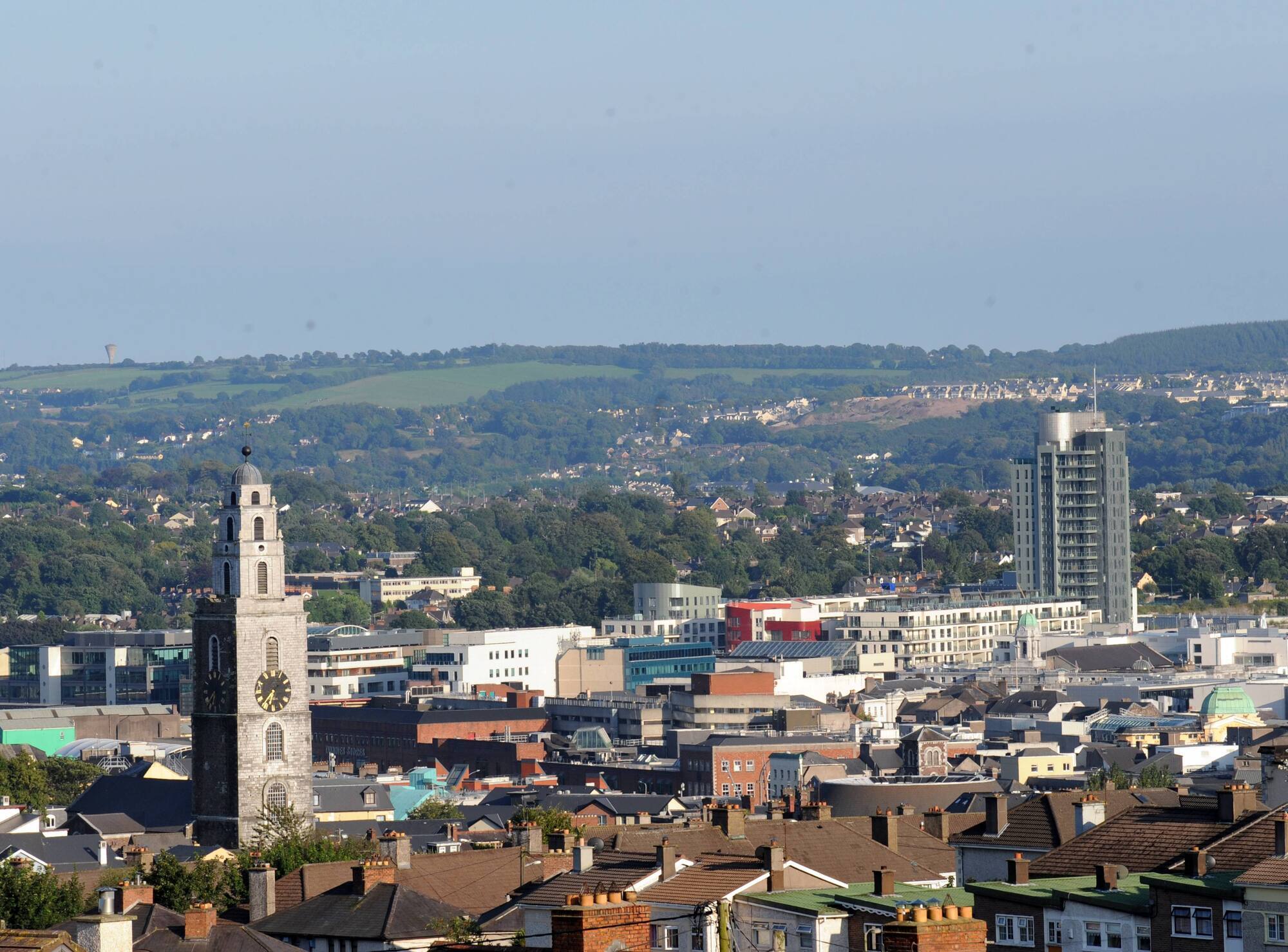
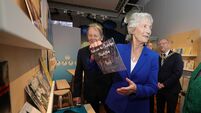
There is an opportunity to attract more students to third-level institutions in Cork post-Brexit as it is the EU’s second-largest English-speaking city. Picture: Eddie O'Hare
It is estimated that approximately 109,000 people employed in the West Cork and Kerry region were severely impacted by Brexit, a new report has shown.
The employees were in sectors considered to be the most affected by Brexit, such as agriculture, finance, and industry.
These staff figures, which are from the end of 2019, accounted for 32% of employment for the region, compared to a share of 34% nationally.
“Cork’s long history of trade with Europe has helped to cushion the worst effects of Brexit for the city and the wider region,” a UCC report on the impact of Brexit on Cork stated.
While some areas were getting hit by the Brexit storm, others were more resilient. For example, tourism in the South West region thrived in the face of Brexit.
Between 2016 and 2017, shortly after Britain decided to leave the EU, the numbers visiting Cork and Kerry increased by 17% and revenue increased by 7%, stated the report which was edited by Mary C Murphy.
Nearly 3m domestic and overseas tourists spent €833m in the Cork region in 2017.
While the South West region has navigated the impact of Brexit, opportunities have also arisen from it as well.
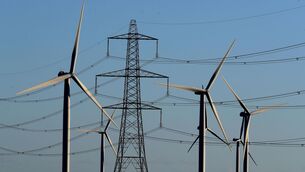
For example, Cork Harbour, the second-largest natural harbour in the world, is ideally positioned as a location for floating and bottom-fixed offshore wind projects, said the report.
“Cork Harbour is in the process of transforming into an offshore renewables hub by the private sector, but Ireland remains far behind the UK in our national strategic plans to fully utilise our natural resources,” the report said.
The UCC study suggested that Ireland can learn from the UK’s experience in projects such as Siemens’ offshore windfarm operations in Hull.
There is also an opportunity to attract more students to third-level institutions in Cork post-Brexit, as it is the EU’s second-largest English-speaking city.
However, the lack of all-island transport links has been a deterrent for students to come to Cork.

More than 36,000 students are enrolled in third-level academic institutions in Cork, including University College Cork and Munster Technological University. Yet there are just 57 Northern Irish students registered at MTU and UCC in 2020/21, which is fewer than the number from England, Scotland, and Wales.
Therefore, the report suggested the development of a road and rail network for the island that would reposition Cork as a southern hub with connectivity along an Atlantic corridor to Derry and Belfast.
The aim of the report is to highlight the potential harms and opportunities for the Cork region and surrounding area post-Brexit, especially as Cork contributes 19% of Ireland’s GDP.
The city also generates the highest revenue per person in Ireland (€105,000), ahead of both Dublin (€96,000) and London (€104,000).