Fed unveils biggest rate hike in two decades
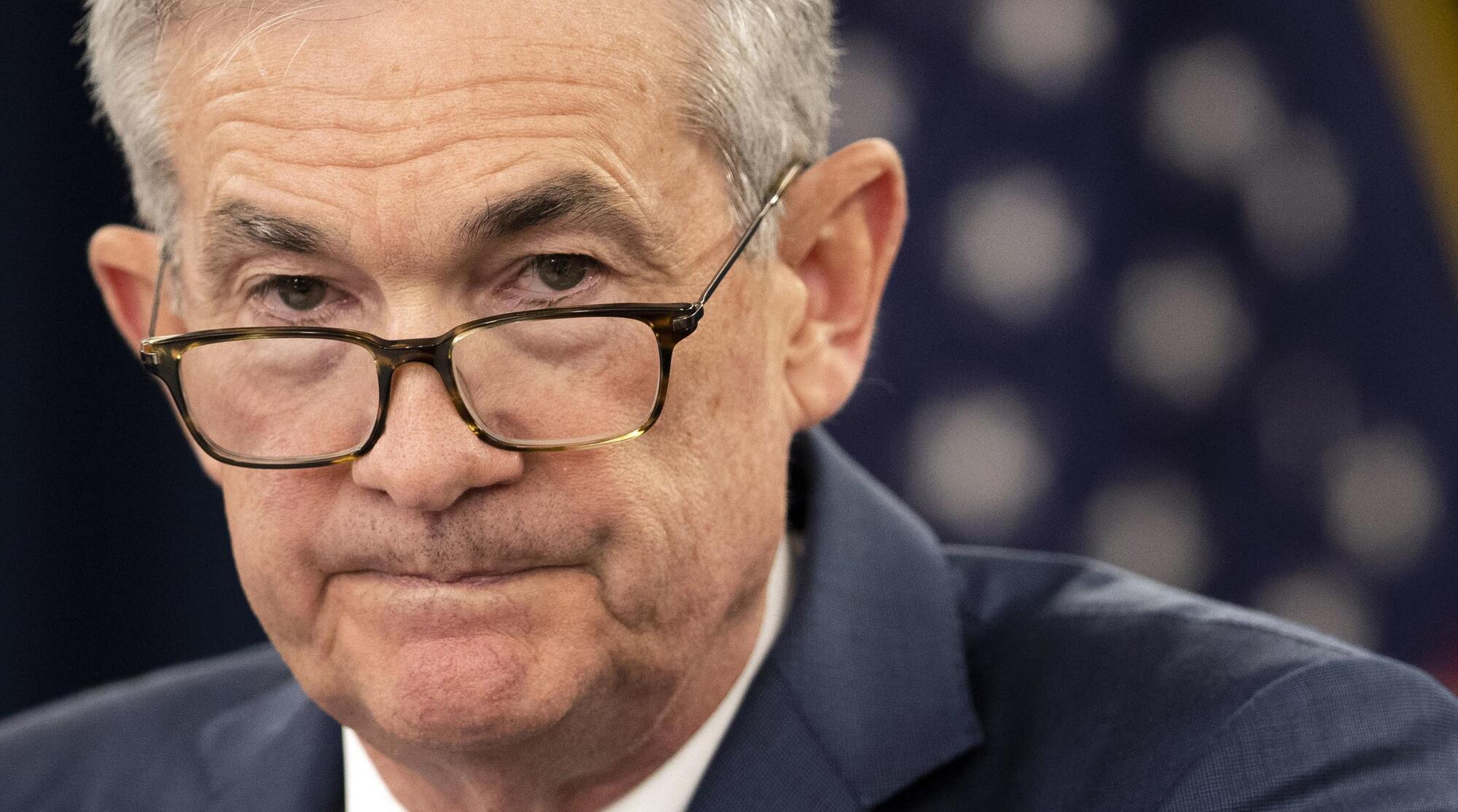
Federal Reserve Chairman Jerome Powell. Central Banks across the globe are in the process of raising rates in an attempt to tame rapid inflation.
The US Federal Reserve raised its target interest rate by three-quarters of a percentage point today to stem a disruptive surge in inflation and projected a slowing economy and rising unemployment in the months to come.
The rate hike was the biggest made by the US central bank since 1994 and was delivered after recent data showed little progress in its inflation battle.
Central bank officials flagged a faster path of increases in borrowing costs to come as well, more closely aligning monetary policy with a rapid shift this week in financial market views of what it will take to bring price pressures under control.
"Inflation remains elevated, reflecting supply and demand imbalances related to the pandemic, higher energy prices and broader price pressures," the central bank's policy-setting Federal Open Market Committee said in a statement at the end of its latest two-day meeting in Washington. "The committee is strongly committed to returning inflation to its 2% objective."
The statement continued to cite the Ukraine war and China lockdown policies as sources of inflation.
The action raised the short-term federal funds rate to a range of 1.5% to 1.75%, and Fed officials at the median projected the rate increasing to 3.4% by the end of this year and to 3.8% in 2023 - a substantial shift from projections in March that saw the rate rising to 1.9% this year.
Central Banks across the globe are in the process of raising rates in an attempt to tame rapid inflation. The European Central Bank (ECB) has said it will raise rates by 0.25% as both the US and Europe aim to bring inflation back down to 2%.
The move by the US Federal Reserve came on the same day the ECB promised fresh support for indebted countries in the south, tempering a market rout that threatened a repeat of the debt crisis that almost brought down the single currency a decade ago.
Government borrowing costs have soared for a number of EU countries since the ECB unveiled plans last Thursday to raise interest rates to tame painfully high inflation.
But the bank failed to reassure investors it would contain the rise in borrowing costs, making only a vague pledge and stoking fears it was abandoning more indebted nations, such as Italy, Spain and Greece, which have struggled for years under the weight of massive debt piles.
Reversing course just six days later, the ECB said it would direct cash to more indebted nations from debt maturing in a recently-ended €1.7 trillion pandemic support scheme and it would work on a new instrument to prevent an excessive divergence in borrowing costs.
"The Governing Council decided to mandate the relevant Eurosystem Committees together with the ECB services to accelerate the completion of the design of a new anti-fragmentation instrument for consideration by the Governing Council," the ECB said after an extraordinary meeting.
But ECB chief Christine Lagarde also tried to temper expectations, arguing that the ECB's job is taming inflation, not helping budgets.
"We cannot surrender to fiscal dominance," Lagarde said at a forum in London. "Neither can we surrender to finance dominance; we have to deliver on our mandate."
The ECB's statement calmed markets but left many underwhelmed.
Reuters


CONNECT WITH US TODAY



Be the first to know the latest news and updates