After two harrowing years spent worrying about their very survival, Irish tourism and hospitality businesses are now facing the very different challenge of being able to meet soaring demand.
The Covid pandemic was economically gruesome for Irish tourism with estimated losses of over €12bn as international visitors were kept away. But for Government aid, and the support of the domestic market, Ireland’s tourism industry would not have survived.
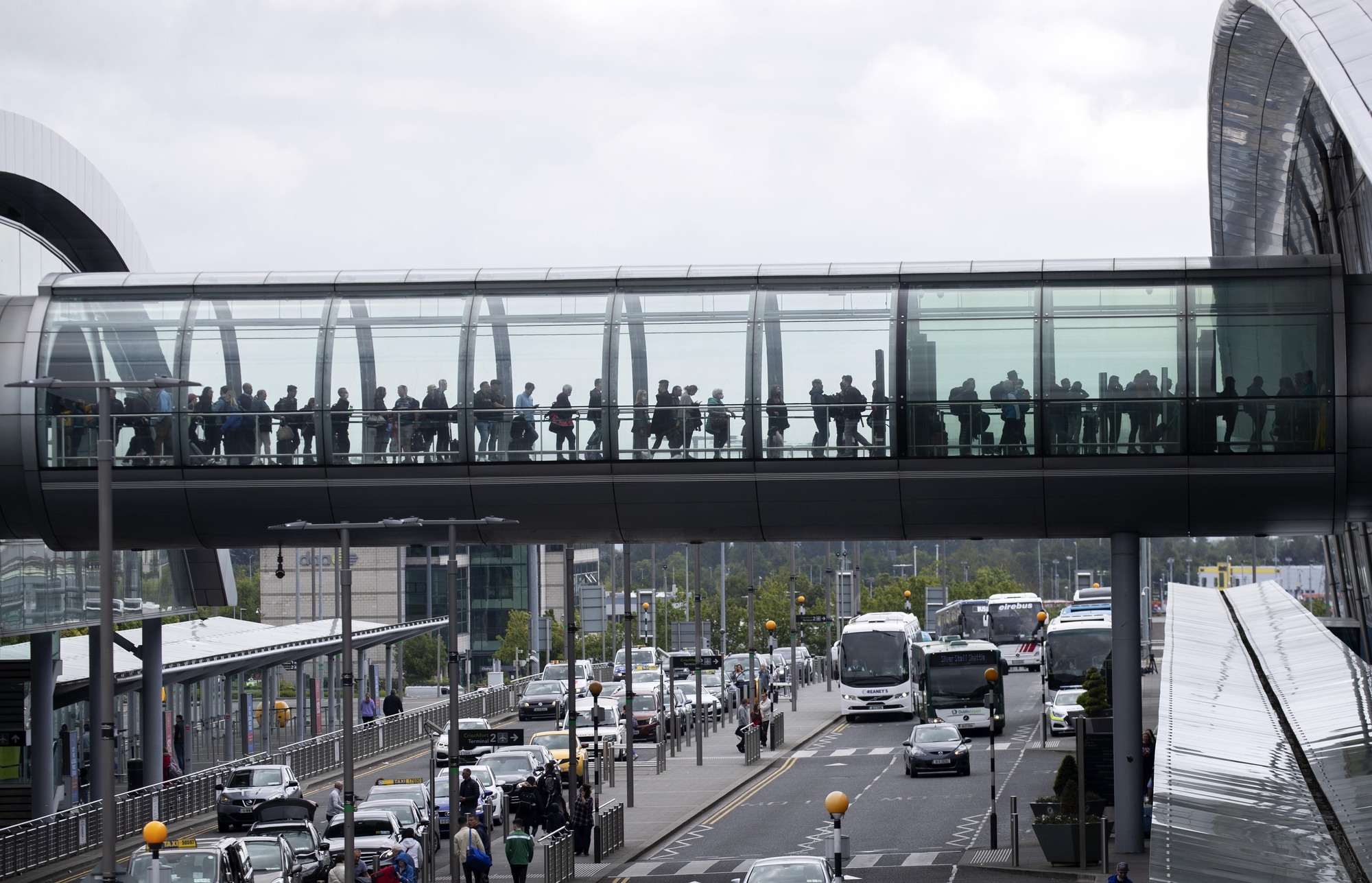
Since March though, when restrictions were finally lifted, travel and tourism has bounced back strongly. A very visual representation of this was the chaotic scenes at Dublin Airport as Daa struggled to ramp up staffing levels to service the flow of travellers.
Certainly, the short-term recovery of the tourism industry has caught everyone by surprise. A pent-up desire to travel, along with consumer savings, has meant that demand has surged. The consequence of this — allied with soaring cost inflation pressures and labour shortages — has resulted in capacity shortfalls and increased prices charged to both the domestic tourist and international visitors alike. This has put the spotlight firmly on Ireland’s ability to remain a value for money holiday destination.
And this value argument is of critical importance to both the immediate and long-term future of Irish tourism. Back in 2006 —at the height of the Celtic Tiger — Ireland’s value for money ratings dropped alarmingly. When the global financial crash happened shortly afterwards the sector worldwide suffered but, due to its weak value proposition in advance of the crash, Irish tourism took much longer to recover than international competitors.
In normal times — with all things being equal — Irish tourism should prosper given strong air connectivity to the island and the quality of the visitor experience on the ground. Becoming uncompetitive though, and being perceived as offering poor value for money, means that the tourism industry will suffer negatively affecting employment, regional economic balance, and exchequer receipts. This is something Irish tourism must avoid.
It is only right that the public, political and media spotlight is on value. The industry is very conscious of this, particularly in recent weeks when stories abound particularly focussed on expensive car hire and hotel accommodation. The former is undoubtedly a problem with no easy solution due to a 50% reduction in car rental fleets at a time when demand has increased dramatically. Sourcing new rental cars when the production of new vehicles slowed dramatically during Covid, combined with ongoing component supply chain issues hampering production lines, is not unique to Ireland. But it is further exasperated by Ireland being one of only two European markets that require right-hand drive cars. The latter hotel debate is more complex and nuanced and should be explored.
Let’s start with the facts (always a good starting point); the average rate of a room in Dublin in April — the most recent month for which we have data — was €154 which was 16% higher than the same month pre-pandemic. This is high but the rate of increase is on a par with European city peers and this was also a month that 12 concerts and sporting events took place in the capital city meaning many hotels were sold out. Often the high prices quoted by some hotels for their final rooms grabs media and public attention. Media dine out on the story for days and the industry is forced onto the defensive. If explaining is losing then Ireland’s tourism sector has been on the back foot in recent weeks.
A hotelier in West Cork recently told me about his 25% hike in insurance costs, the 40% increase in linen costs, and the doubling of his electricity bill. This must find its way to the room rate for the consumer which, although elevated, is not a result of burgeoning profit margins which remain modest across such a labour-intensive sector.
So undoubtedly prices have increased but this must also be put in the context of a reduction in tourism accommodation supply. Since the war in Ukraine, Government have taken approximately 10% of room stock out of the system to facilitate those fleeing the conflict. This is for the right reasons but can only be a short-term solution. As well as hotels not being the right environment for war-stricken families, the use of such a significant number of hotels also risks destabilizing the tourism economy. Fáilte Ireland data shows that for every euro spent by a tourist in accommodation, a further €2.50 is spent on ancillary tourism services such as visitor attractions, guided tours, restaurants and bars. When a significant proportion of tourism accommodation is decommissioned, by definition, this multiplier money does not materialise for local economies. Government must have a balanced approach when it comes to securing accommodation for refugees. Hotels can only be part of the solution. Holiday homes, vacant dwellings and student accommodation also need to be used.
Tourism, like all of society, has another fundamental issue to address. Critically, and for the benefit of people and planet, the Irish tourism sector will need to address the environmental sustainability agenda that all of mankind faces. The industry has committed to playing its full part in Ireland’s climate change obligations. Achieving such reductions in carbon whilst regrowing an industry such as tourism will be extraordinarily difficult but tourism businesses are up for the challenge.
Eoghan O’Mara Walsh is chief executive of the Irish Tourism Industry Confederation

Subscribe to access all of the Irish Examiner.
Try unlimited access from only €1.50 a week
Already a subscriber? Sign in
CONNECT WITH US TODAY
Be the first to know the latest news and updates