Inflation rate higher for lower-income households
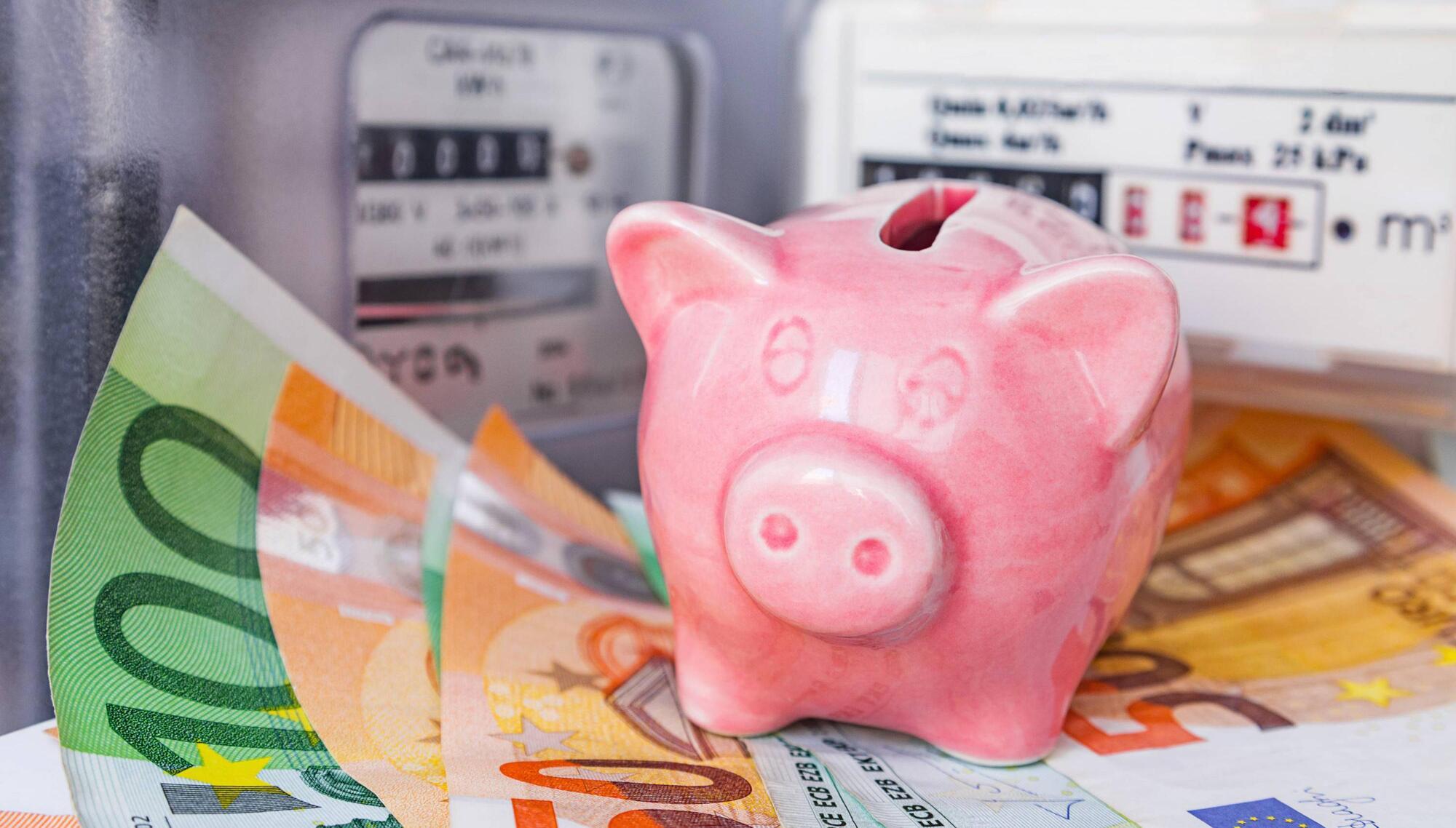
For households in the lowest 10% by income, electricity, gas and other fuels was the largest contributor to their estimated inflation rate as well as transport costs and rent.
Lower-income households face a higher rate of inflation according to new research released by the Central Statistics Office (CSO) today.
Higher-income households were estimated to have an inflation rate of 6.1% in March 2022. In comparison, lower-income households were found to have an inflation rate 7.6%, over the same month.

The research paper also established the main contributing factors to inflation rates. For households in the lowest 10% by income, electricity, gas and other fuels was the largest contributor to their estimated inflation rate as well as transport costs and rent.
Meanwhile, for households in the top 10% by income, transport was the largest contributor to their estimated inflation. This was followed by electricity, gas & other fuels and restaurants and hotels.
The statistics also revealed that households paying a mortgage had an estimated annual inflation rate of 6.3% while for households that own their home outright, inflation was estimated to be 7.0%. For those renting, households that rent their home from a private owner had an average inflation rate of 7.0% and those renting from a local authority had an inflation rate of 7.3%.
Differences in inflation rates were also observed between urban and rural households and the age of those in the household. Compared with the March 2022 CPI figure of 6.7%, urban households experienced an annual inflation rate of 6.5% while rural households had an inflation rate of 7.3%.
In households where the household reference person is aged under 35 there was estimated inflation of 6.6%. In contrast, annual inflation was estimated to be 7.2% where the reference person is aged 65 or over.
The CSO figures also fund that above-average inflation was experienced by households of one adult (7.7%), one adult with children (7.2%) as well as two adults without children (6.9%).
The latest annual inflation rate data showed that the inflation rate in Ireland during April 2022 was 7%.
The figures released today were published in a new research paper as part of the CSO Frontier series output.
Commenting on the information presented in the Frontier Series research paper, Edel Flannery, Senior Statistician in the Prices Division, said: “The increasing rate of inflation since the middle of 2021 has prompted greater interest in price change and its effects on households.
"The CPI is a measure of average inflation for all households. However, each household has its own unique consumption pattern of goods and services and therefore its own personal experience of inflation.
Estimated inflation in year to March 2022 ranged from 6.1% for higher income households to 7.6% for lower income householdshttps://t.co/5ye1eQaJDp#CSOIreland #Ireland #CPI #ConsumerPrices #Inflation #Deflation #Prices #HouseholdFinance #HouseholdConsumption #BusinessNews pic.twitter.com/aunYhTEa0b
— Central Statistics Office Ireland (@CSOIreland) June 2, 2022
“The cost of energy was one of the major drivers of inflation in the 12 months to March 2022. Transport related price changes were responsible for more than a third of the 6.7% annual change in the CPI (2.4 percentage points of the 6.7% increase) while electricity, gas & other fuels contributed more than another quarter of the change (1.9 percentage points),” Flannery continued.