Fáilte Ireland targets pensioners to pull hospitality out of its staffing crisis
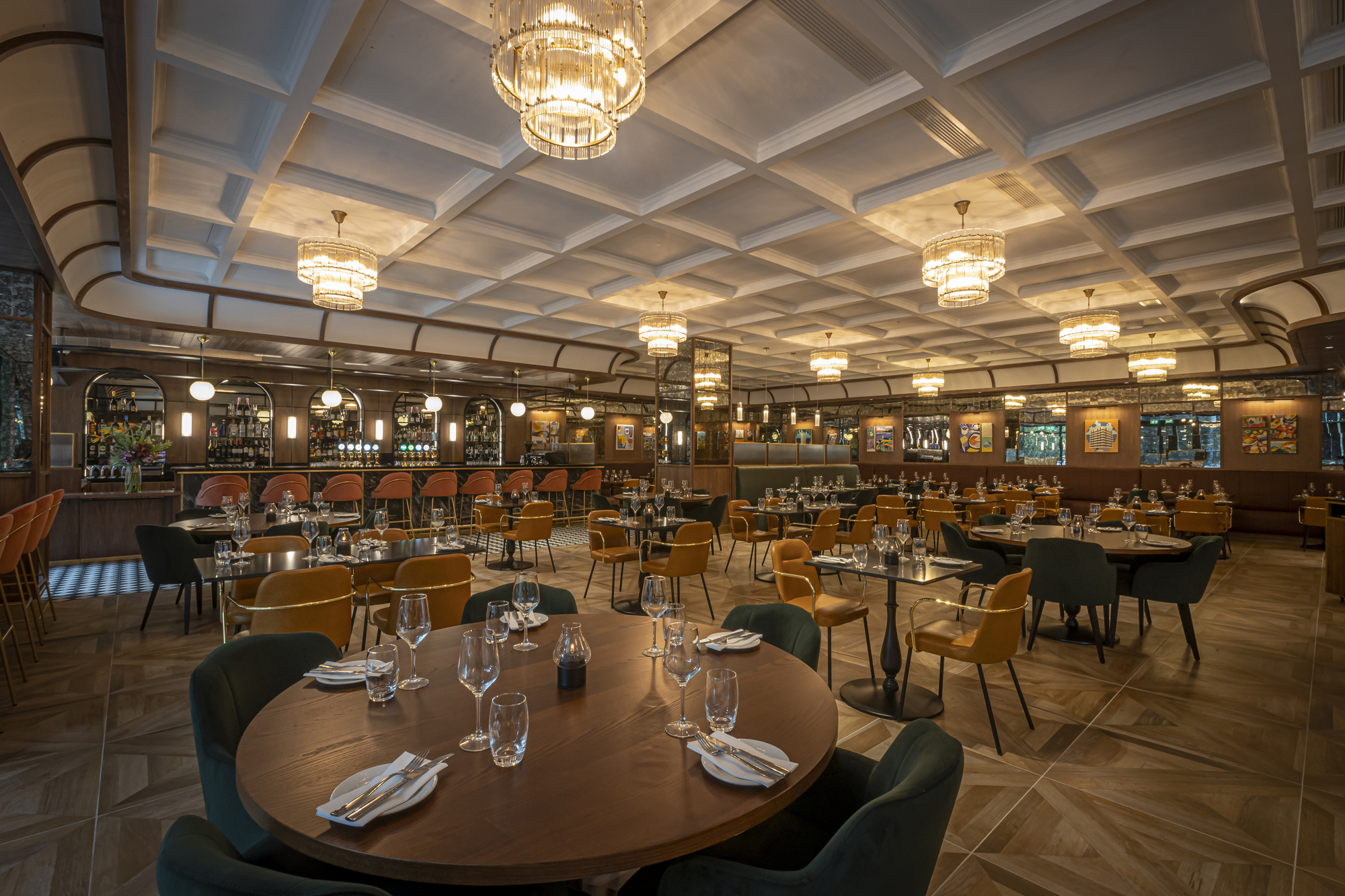
The new €700,000 Fáilte Ireland recruitment campaign titled ‘Works for Me’ will be presented to representatives of the tourism industry at an online briefing event later today.
Fáilte Ireland is targeting retirees and parents in a new campaign to address the staff shortage in the tourism industry which is hitting smaller businesses the most.
The tourism body has launched a new campaign that aims to attract people to work in hospitality, with a particular focus on retirees and parents who, according to Fáilte Ireland, are seeking flexible working arrangements and patterns.
“The current staffing and skills shortage in tourism and hospitality is heightened as we head into the busy summer season, which is often the only time that is feasible for smaller businesses to operate,” said Fáilte Ireland’s director of sector development Jenny de Saulles.
According to Fáilte Ireland, almost a third of employees say that having flexible working hours is one of the main reasons for working in tourism and hospitality.
While Fáilte Ireland is trying to attract an older generation to work in hospitality, one area of the sector that comprises mainly of an ageing profile is struggling to stay in the industry.
B&B owner Janet Quin had told the Irish Examiner that most of the B&B owners she knows are in their 50s and 60s, leading to a shorter operational lifespan compared to hotels.
The new €700,000 Fáilte Ireland recruitment campaign titled ‘Works for Me’ will be presented to representatives of the tourism industry at an online briefing event later today with over 450 businesses and organisations in attendance.
While Fáilte Ireland is looking toward the older population to help with the staff shortages in hospitality, recruitment firm Excel Recruitment has said more action is needed on student work visas for overseas workers to Ireland to help boost staff numbers in hospitality.
“Ireland’s hospitality sector is struggling under the strain of staffing shortages. This country is currently home to thousands of students from abroad, many of whom are eager to work,” said Shane McLave, director at Excel Recruitment.
“However, their Stamp 2 visa model only allows them to work for 20 hours for seven months of the year and for 40 hours for just five months. These students could also contribute in a big way to solving our staff shortages if only our visa system facilitated this,” he added.
According to the Minister for Justice Helen McEntee, there are currently 33,230 non-EEA students registered with an active Stamp 2 permission in the State.
"What we have is a case whereby people are struggling to exist on the pay from a 20-hour working week, while employers throughout the country, particularly in the hospitality and retail sectors, are shouting out for workers,” said Mr McLave.
Pre-Covid tourism accounted for 260,000 jobs in Ireland and in some counties provided one in five jobs and generated revenue of €7.5bn annually to the Exchequer.

CONNECT WITH US TODAY



Be the first to know the latest news and updates