EU readies €195bn plan to quit Russian gas, oil, and coal
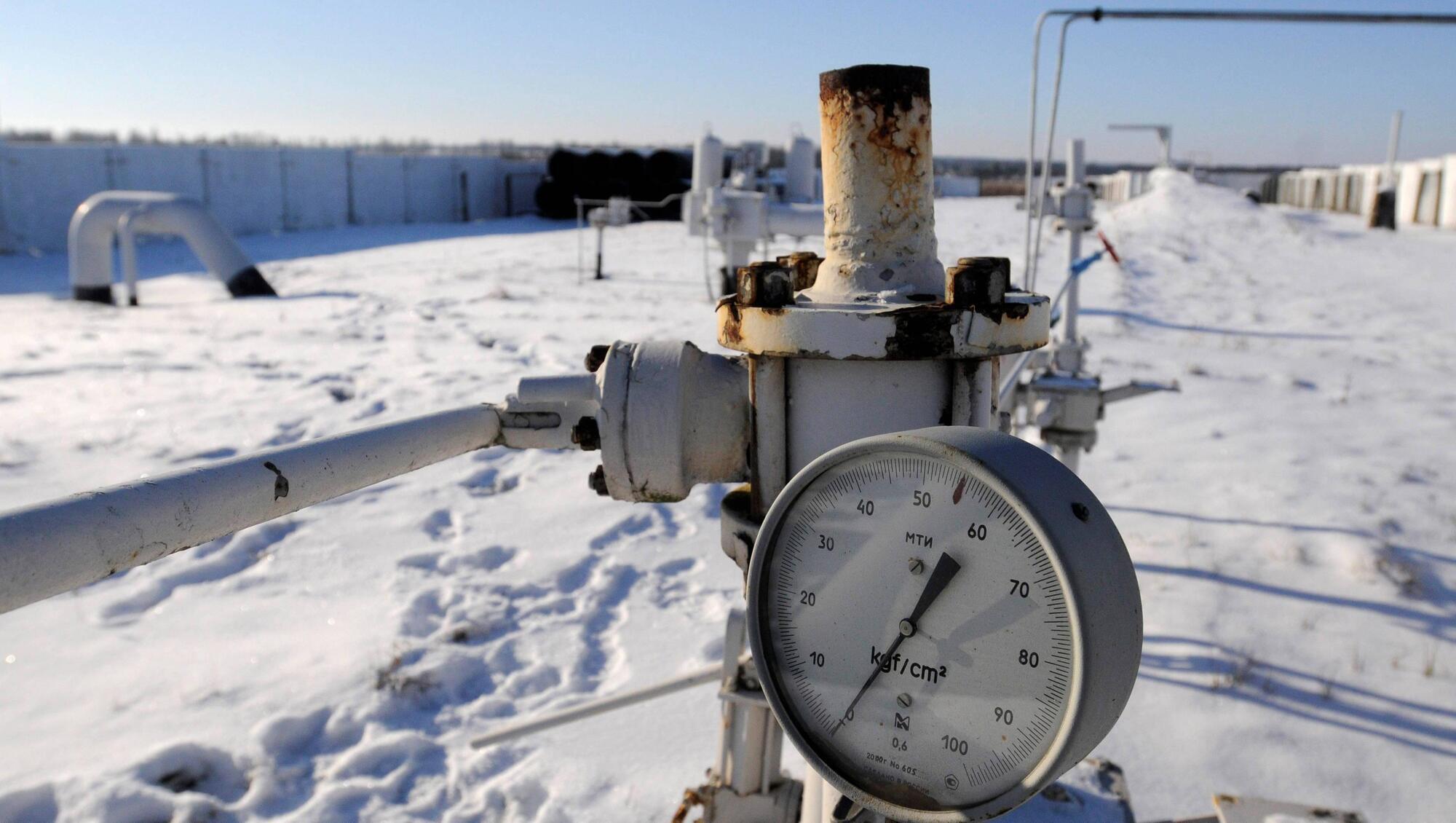
Moscow imposed sanctions on European subsidiaries of state-owned Gazprom a day after Ukraine stopped a major gas transit route. File Picture.
The European Commission plans to unveil a €195bn plan to stop importing Russian fossil fuels by 2027, combining a faster rollout of renewable energy and energy savings with a switch to alternative gas supplies, draft documents show.
The draft measures, which could change before they are due to be published next week, include a mix of EU laws, non-binding schemes, and recommendations national governments could take up, including by revising their plans to spend the EU's huge Covid-19 recovery fund to free up more funding for the energy transition.
The Commission expects the measures to require €195bn in investments, on top of those already needed to meet the EU's 2030 climate target, which would help slash Europe's bill for fossil fuel imports.
To spearhead the plans, Brussels is considering proposing higher targets for renewable energy and energy efficiency, according to the draft proposals and EU officials.
Goals under discussion include a target for a 45% share of renewable energy by 2030, replacing the current 40% proposal, and a 13% cut in EU-wide energy consumption by 2030 compared with expected use, replacing the Commission's current 9% proposal.
Among other proposals would be tweaks to EU law to fast-track permitting deadlines for some renewable energy projects, and new EU schemes to jumpstart a large-scale rollout of solar energy and rebuild Europe's solar manufacturing industry.
Brussels will also outline plans to produce 10m tonnes of renewable hydrogen by 2030 and import another 10m tonnes, supported by legislation defining which types of hydrogen can count as renewable.
The EU will also outline the potential to increase imports of liquefied natural gas from countries including Egypt, Israel, and Nigeria, plus the infrastructure needed to replace Russian gas imports — which a draft document said should be designed to ensure it does not lock in decades of emissions that could undermine climate change goals.
Pressure on Europe to secure alternative gas supplies increased on Thursday as Moscow imposed sanctions on European subsidiaries of state-owned Gazprom a day after Ukraine stopped a major gas transit route, pushing prices higher.
European wholesale gas prices rose as much as 11% for delivery over the summer months. The cost of Brent crude oil increased by 46c to almost $108 a barrel.
Meanwhile, G7 foreign ministers vowed to break a Russian blockade of grain in Ukrainian ports, and wheat futures rose in Chicago after a US Department of Agriculture report said production in the country will drop by one-third compared with last season.
"Twenty-five million tons of grain are blocked in Ukrainian ports, especially in Odessa,” German Foreign Minister Annalena Baerbock said at the opening of the G7 foreign ministers’ meeting in Weissenhaus in Northern Germany.
“This is grain which is urgently needed as food in African countries and the Middle East.”
CLIMATE & SUSTAINABILITY HUB
CONNECT WITH US TODAY



Be the first to know the latest news and updates