Sunak has €12bn wriggle room in UK spring budget
A strong labour market and a larger overall size of the economy have put Britain’s public finances on a sounder footing than anticipated
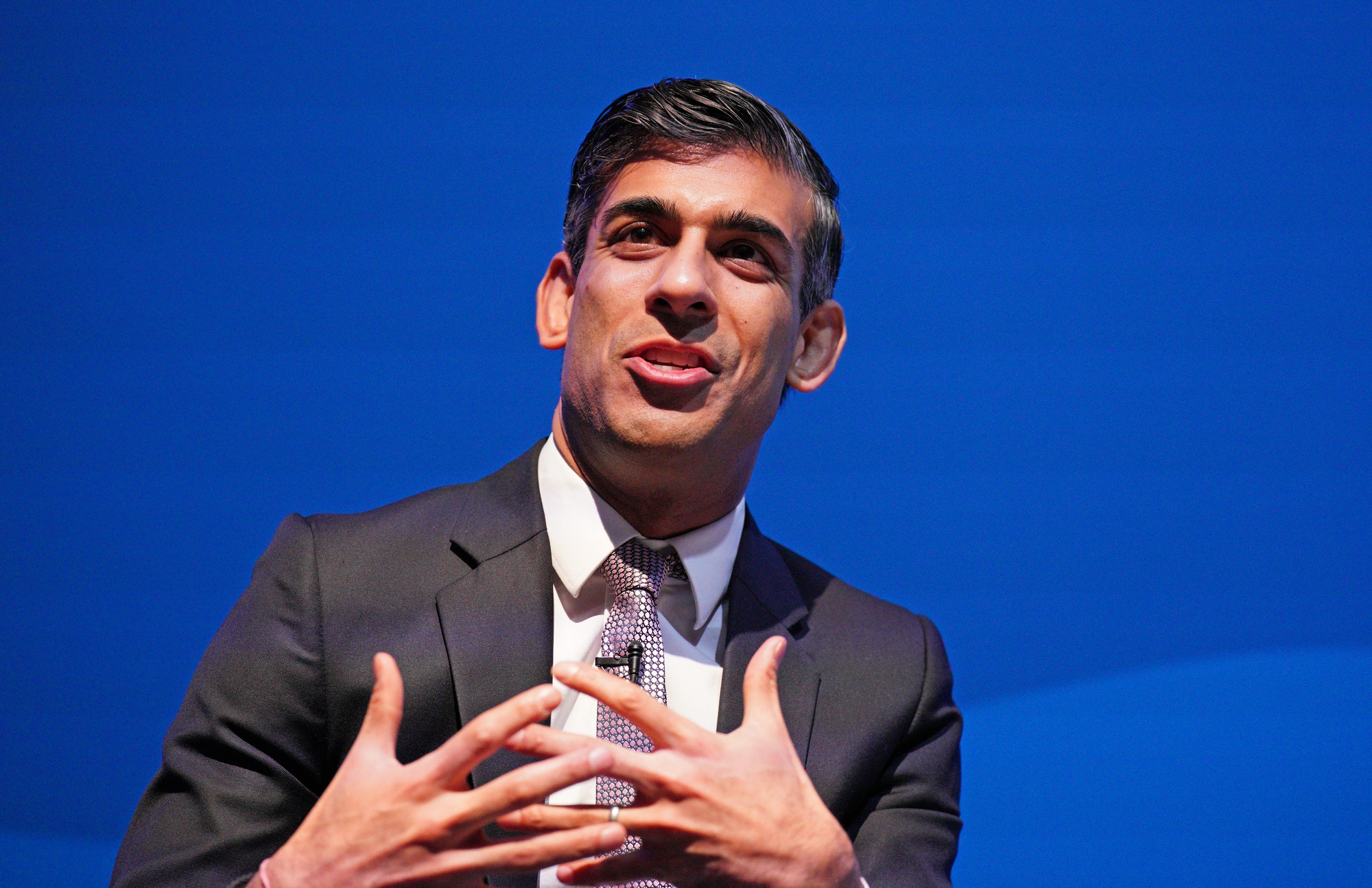
British chancellor Rishi Sunak has breathing room in his spring budget before pressures mount on the economy later in the year.

British chancellor Rishi Sunak has breathing room in his spring budget before pressures mount on the economy later in the year.

British chancellor of the exchequer Rishi Sunak can afford over £10bn (€12bn) of annual giveaways to help consumers through the cost of living crisis.

Mr Sunak presents his spring statement on Wednesday against an improved backdrop for the UK’s public finances, with borrowing in the fiscal year ending this month on track to be as much as £30bn below the level his officials had forecast.


A strong labour market and a larger overall size of the economy have put Britain’s public finances on a sounder footing than anticipated, leaving Mr Sunak room for manoeuvre while preserving his emergency buffer. He could also bank some of the extra money to spend closer to the next election.

“The absolute priority should be protecting the most vulnerable,” said Tim Pitt, a partner at Flint Global and a former adviser to past chancellors Sajid Javid and Philip Hammond. 

“He’s going to want to hold back some headroom for nearer the election, for pre-election giveaways.”

'Revenue-rich recovery'

UK tax receipts this year have been £37bn higher than forecast due to “a revenue-rich recovery”, according to James Smith, research director at the UK’s Resolution Foundation think tank.

Bloomberg Economics now expects the deficit to fall to about £35bn by the middle of the decade rather than the £46bn forecast in October. That’s in spite of a substantial hit coming from the cost of servicing the national debt after a leap in interest rates and inflation.

The result would allow Mr Sunak to provide support for hard-pressed households and businesses struggling with a surge in energy prices. He could also deliver longer-term tax cuts, economists say.

Self-imposed fiscal rules require Mr Sunak to have debt falling as a share of economy and stop borrowing for day-to-day spending within three years. He’s expected to do so with more spare room than Britain’s Office for Budget Responsibility estimated five months ago.

In the short term, rising inflation and higher interest rates will blow a hole in the UK’s public finances. Every percentage point increase in inflation and rates adds £17bn to debt-servicing costs, according to official calculations.

Bloomberg Economics expects UK borrowing in 2022-2023, which starts next month, to be £20bn higher than projected in October. Oxford Economics says it will be £25bn worse.

But as the chancellor’s borrowing rules do not apply until 2024-2025, he can afford short-term help for businesses and households to protect them against soaring energy costs.

  • Bloomberg

More in this section

The Business Hub

Newsletter

News and analysis on business, money and jobs from Munster and beyond by our expert team of business writers.

Cookie Policy Privacy Policy Brand Safety FAQ Help Contact Us Terms and Conditions

© Examiner Echo Group Limited