Oil, gas prices 'will climb further should war sanctions on Russia widen'
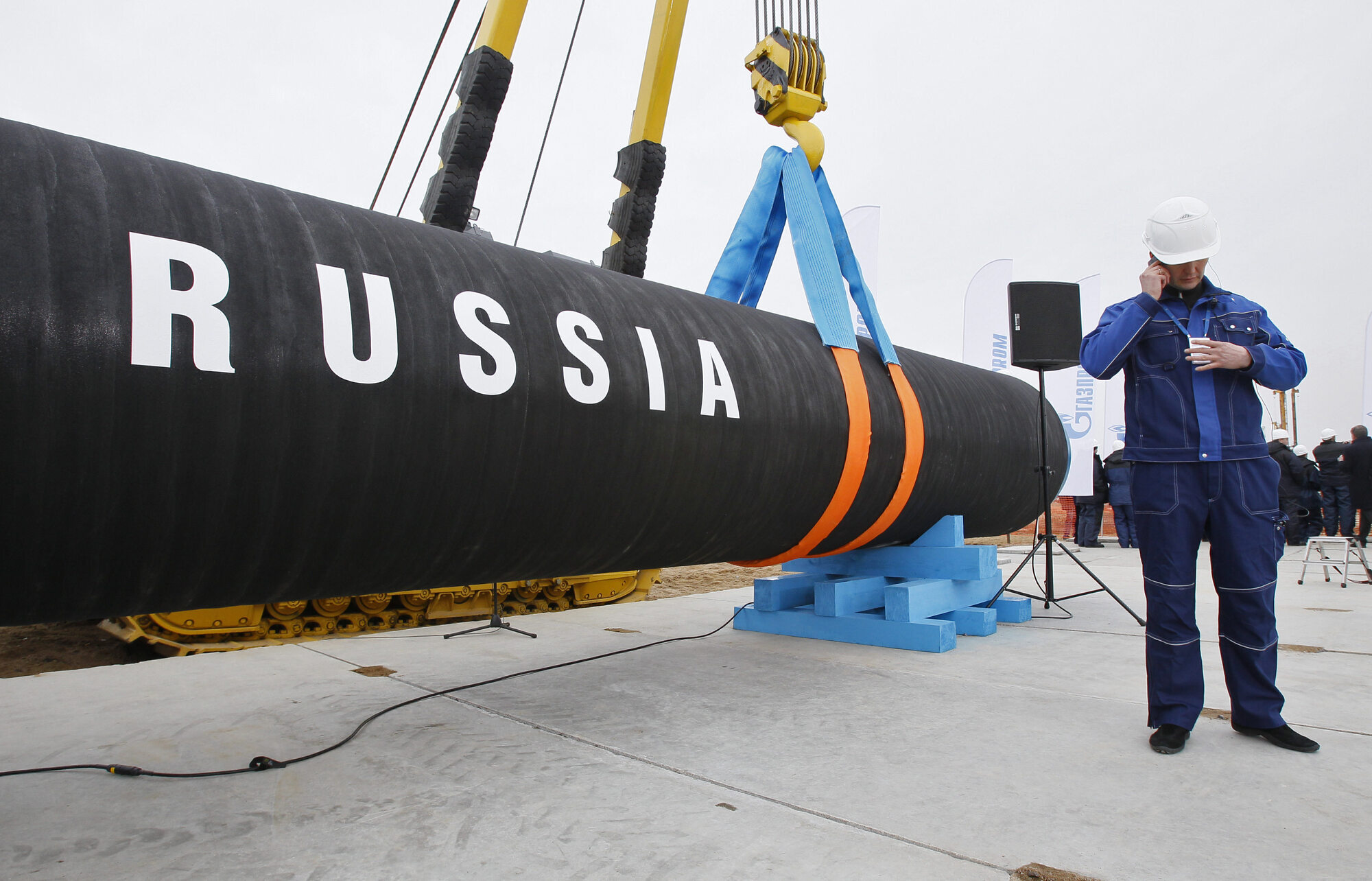
Crude oil reached its highest since 2014 and the price of European gas for delivery this summer hit a new record, as analysts warned that extending the Russian war sanctions could drive energy prices further.
The global price of crude oil rose 3% on Friday to almost $114 a barrel despite rising hopes that a potential deal between the US and Iran could boost world oil supplies and ease the concerns over the invasion of Ukraine.
The price of European gas for June jumped to €194 per megawatt hour amid fears the economic war raging between Russia and western nations could escalate.
Analysts are projecting worst-case scenarios should European governments be forced to widen their sanctions to include Russian oil and gas exports which are currently not subject to boycotts.
Russia exports roughly 4m-5m barrels of crude every day, more than any nation apart from Saudi Arabia. Crude oil has jumped 16% in the past week, marking increases that will quickly be passed onto businesses and households.
Russia also supplies 40% of natural gas in Europe
Capital Economics, a consultancy, warned that wholesale energy prices could rise further "if western sanctions are extended to cover energy commodities".
"The biggest risk is that the West throws economic caution to the wind and sanctions Russian commodity exports, or that Russia retaliates against the West and limits its exports," it said.
Under the worst-case, "escalation" scenario, Capital Economics projects Brent crude oil could spike to $130 a barrel by the start of June and fall back to the still elevated level of $110 a barrel late this year.
On the Iran-US talks, Iran foreign minister Hossein Amirabdollahian said on Friday that the West's "haste" to reach a nuclear agreement "cannot prevent the observance of Iran's red lines", including economic guarantees.
Meanwhile, Latvia will receive the equivalent of two tankers' worth of liquefied natural gas (LNG) in April and May, supplied by the US, Norway, and Qatar, as reserves against possible supply disruptions, said state-owned energy group Latvenergo.
The Latvian government agreed last month to secure the country's gas supply by purchasing the LNG. The gas will arrive via the LNG import facility in Klaipeda, Lithuania, and be injected into the Incukalns gas storage in Latvia.
Latvenergo said the gas would ensure the production of electricity and heat at planned levels this year, while envisaging gas reserves in the event of an energy crisis.
Global metal prices also rose amid the crisis. Palladium, which is used in multiple products including car catalysts, climbed 6% on Friday. Russia accounts for 40% of global production of the metal, which has soared 24% this week.
"There's growing consensus that Russia is not slowing down its military campaign and you're only going to see sanctions become a lot harder, and that's really going to disrupt businesses to get their hands on that supply of palladium," said Edward Moya, senior market analyst at Oanda.


CONNECT WITH US TODAY



Be the first to know the latest news and updates