Ukraine tensions to keep spotlight on sky-high oil and gas prices this week
Consumer price inflation from Ireland to Germany and the US is running at levels last seen over two decades ago.
Fears that already-high oil and gas prices will surge this week is a key concern of financial markets as investors track the latest tensions and diplomatic moves over Ukraine.
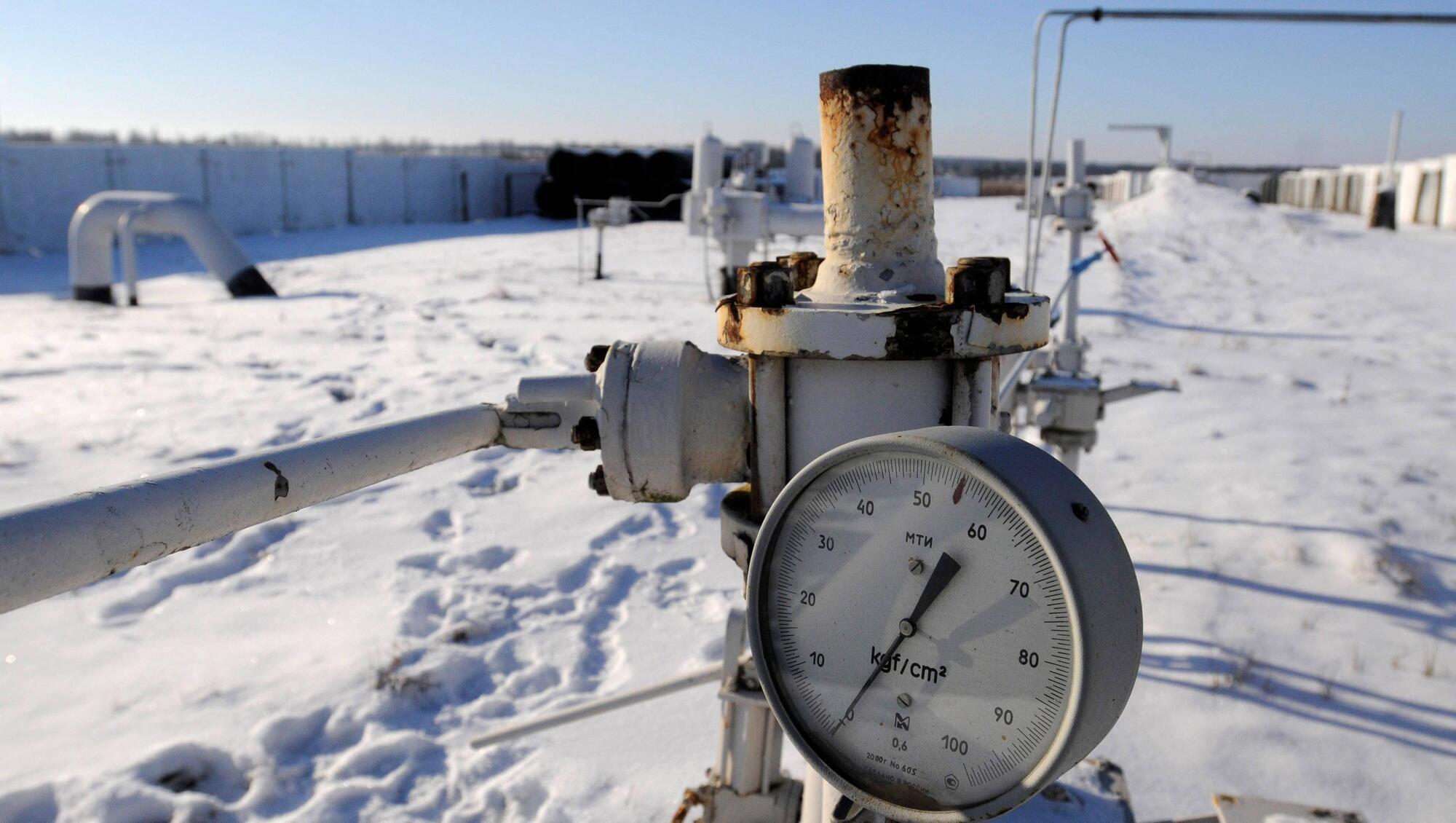
The potential for conflict between Russia and the West has taken on even greater significance because Russia is a major supplier of oil to global markets and of gas to western Europe, at a time of acute shortages.
Any failure of diplomatic efforts to avoid a conflict is widely predicted to send all types of energy products soaring.
Stock markets across Europe would also likely slide.
The price of Brent crude settled late Friday at over $93.50 a barrel, close to seven-year highs.
European wholesale gas prices for delivery in June ended at just under €71 per megawatt-hour.
Rapidly rising oil prices can be a troubling development for markets, as they cloud the economic outlook by increasing costs for businesses and consumers.
Consumer price inflation from Ireland to Germany and the US is running at levels last seen over two decades ago.
Higher crude prices also threaten to accelerate already-surging inflation.
“The [US] stock market would really run into trouble if we went north of $125 per barrel and stayed there for a while because that would overheat high levels of inflation," said Peter Cardillo, chief market economist at Spartan Capital Securities.
In terms of financial market history, Capital Economics in London said last week that the current tensions, short of any conflict, have parallels with the clash over North Korea in recent years and the US invasions of Afghanistan in 2001 and Iraq in 2003.
In the US, JP Morgan Chase economists said in a report over the weekend that the US Federal Reserve is likely to raise interest rates by 25 basis points at nine consecutive meetings, through March 2023, in a bid to tamp down inflation.
“An escalation of the Russia-Ukraine conflict may result in an unfavorable mix of even higher energy prices, tighter financial conditions, and an adverse confidence shock — all relevant to Fed thinking on the appropriate pace of tightening,” said Blomberg Intelligence analysts.


CONNECT WITH US TODAY



Be the first to know the latest news and updates