As we look beyond the pandemic, and the country as a whole turns its mind to an ambitious growth agenda for the future, it is vital that we deliver on the promise of balanced regional development that sees all locations share in that growth.
Thankfully, there is no dearth of ambition in Cork City and its hinterland to seize on the opportunity that now presents. Indeed, the latest draft development plan from Cork City Council aims to create 31,000 jobs over the next seven years.
The local authority presented its plans during the summer against the background of the need to deliver on population targets contained in Project Ireland 2040 that envisages an additional 115,000 people living in Cork over the next two decades — a stunning growth of 55%, and crucial if we are to ensure balanced regional development in this country.
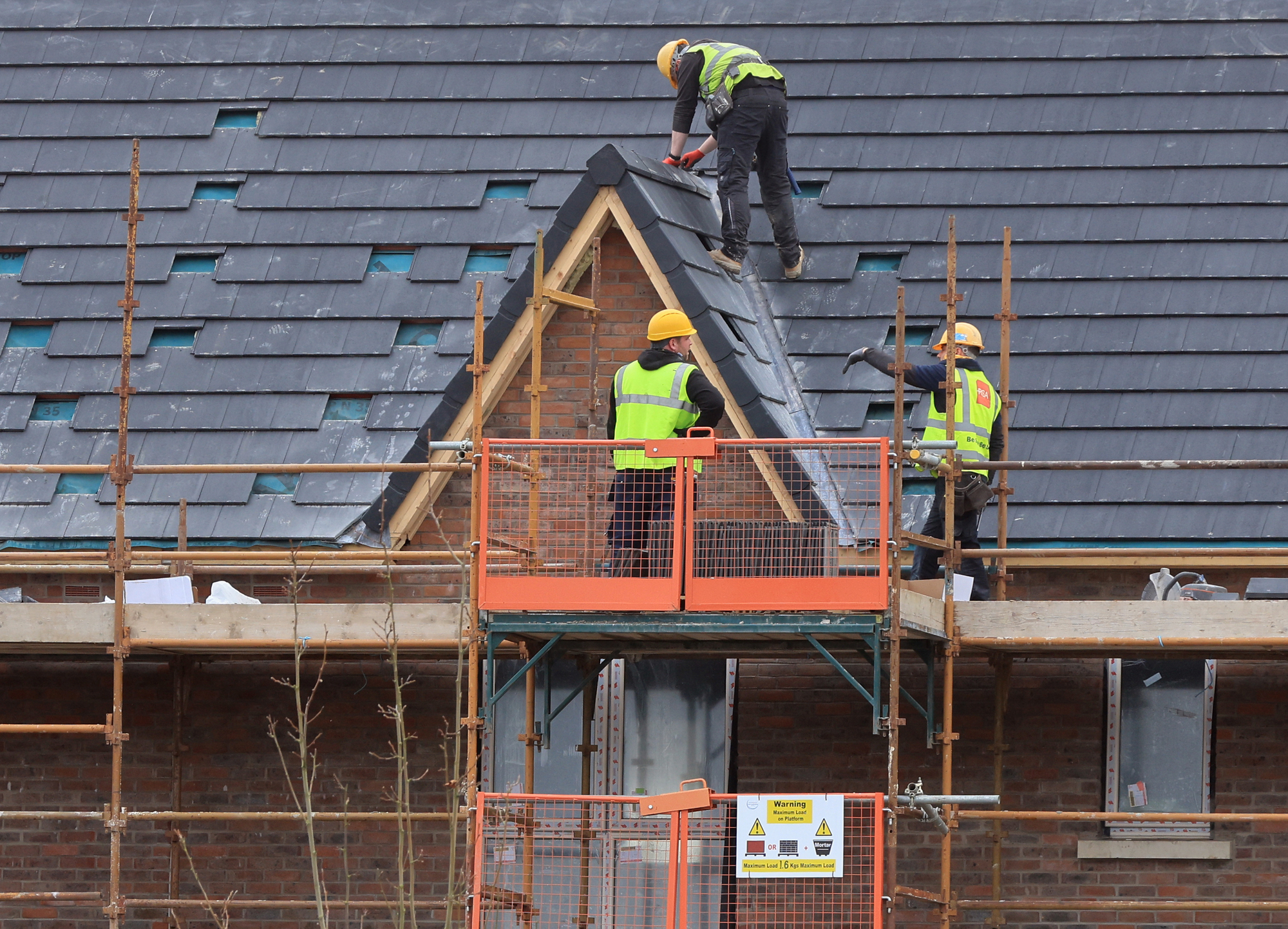
If Cork is really to reach its potential and take its next leap forward, it must house its increased numbers of citizens. That housing will need to be affordable and feature a mix of public and private market housing and apartments for purchase and rentals built in the right places.
And in order to deliver those homes, institutional investment will be critical.
Cork City Council has stated 20,000 homes will be constructed up to 2028, with an additional 3,500 people living in its city centre by then, up 15% on the number living there in 2012. The council says this will be achieved by “a combination of new build and reuse of the existing built fabric”.
Members of Irish Institutional Property are helping deliver on this ambition. Backed, in the main, by pension funds seeking moderate rates of return over the longer term, IIP members have already made considerable investment of the order of around €500m in Cork, generating commercial, hospitality, and residential supply for the city. Forward investment plans by IIP members envisage a near doubling of that investment and associated supply over the medium term.
This ongoing commitment of institutional investment is key to realising Cork’s full potential.
Following the global financial crash over a decade ago, the engine of our economic recovery was foreign direct investment. Institutional property investment was a crucial part of that. It was recognised that there was a need to attract institutional and international investment capital here to fund real estate development at a scale and volume which was well beyond the capacity of the local market to build the workplaces, retail, industrial buildings and homes needed to support the recovery.
This remains the case.
To meet our ongoing need for critical real estate development, Ireland needs to import almost 80% of the capital required. As a small country, we can never generate this level of capital from internal sources, nor can we afford to do so by adding further borrowing to the State’s already stretched balance sheet.
We need certainty when it comes to Government policy and a reformed planning process that overcomes the current roadblocks and delays to development.
But more than that, in place of often unsubstantiated and ill-informed polemic regarding our sector, we need to have an evidence-based and reasoned analysis of the constructive and positive contribution that real estate FDI is playing in helping enable Ireland’s and Cork’s growth ambitions.
Together we can make Cork a powerhouse of opportunity, a globally recognised and desired location that can fulfil needs of all its citizens as a place to work, live, and build a vibrant community that can become an exemplar of what a modern, thriving 21st city can be.
Pat Farrell is CEO of Irish Institutional Property
CONNECT WITH US TODAY
Be the first to know the latest news and updates