Better work-life balance for all employees starts with managers
"It’s about how you manage humans that make them happy and if you do that, everything else falls into place," says HR expert
Better work-life balance for all employees starts with managers

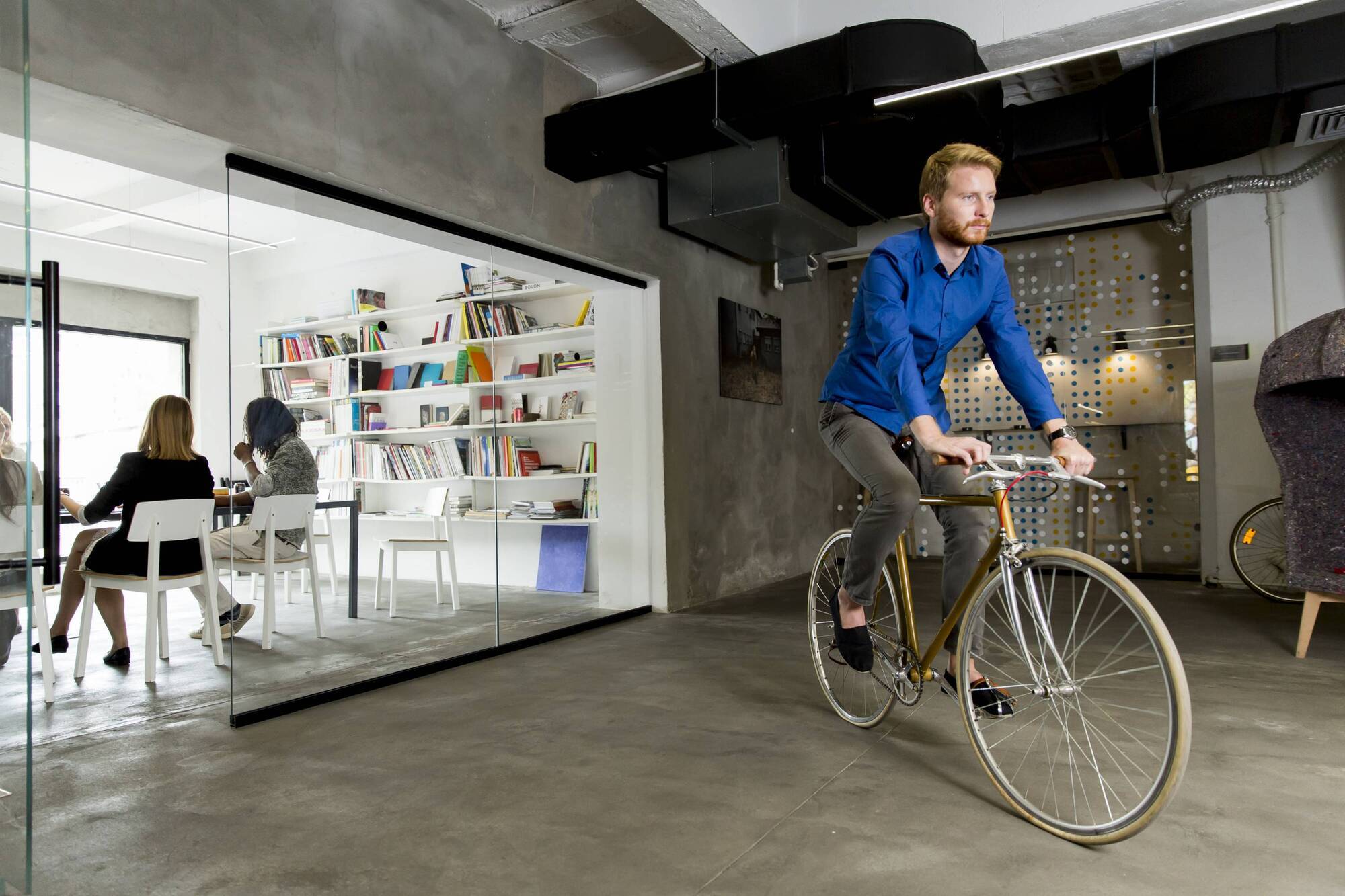
Business leaders are doing everything they can to promote work-life balance as a priority for staff, a significant benefit to emerge from the Covid-19 pandemic. Picture: iStock


Right since the start of the Covid-19 pandemic, traditional business hours have somewhat gone out the window with many of us working well into the evening and some at the weekends depending on family schedules.

At this time of tremendous transition, work-life balance is more important than ever and business leaders have a critical responsibility to be deliberate and explicit about expectations of availability, and to define exactly what ‘business hours’ means to your organisation.

Michael O’Leary, CEO of HRM Recruitment, a global partner of executive search firm IIC Partners, says work-life balance is now the standout reason candidates will be attracted to a potential new employer.

That’s according to a recent report by HRM who interviewed almost 2,000 professionals to find out the key motivations for employees when looking at jobs. Flexibilty and less commuting were also listed as essential factors in an organisation’s employer value proposition.

“We undertake three to four pieces of research a year knowing that the pandemic has had and continues to have a profound impact on shaping these key motivations,” said Mr O’Leary.

“In our own organisation we have observed some employees are happier working from home and this is reflected in their performance and some are happier and more productive in an office environment. Employees perform at their best when they are calm so if there is a degree of anxiety with domestic matters for instance then that interferes with their work.”

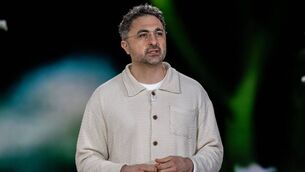
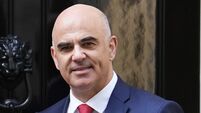
Michael O’Leary, CEO of HRM Recruitment, says: "Employees perform at their best when they are calm so if there is a degree of anxiety with domestic matters for instance then that interferes with their work."

There are a variety of things managers can do to make sure their teams are productive, but it starts, Mr O’Leary says, with listening to employees, understanding their specific needs and talking through potential problem points.

This he said is where skilful managers with the ability to set out realistic expectations come into their own. As businesses look to emerge from this crisis in a position of strength they need to come up with a long-term people strategy.

Policies he said are “no good. You need to lead by example. We have a care team in our organisation with five people on it and they determine our behaviours so for instance our team of 40 employees are not allowed to send an email after 5.30pm and not allowed to start a meeting after 5pm.

“We are heading into one of the most competitive periods ever for talent acquisition so I would say as a leader you need to be very proactive in understanding and acknowledging how the pandemic has blurred the lines between work and home and how that has directly affected your team.

“Ask your team how they feel about remote working and/or hybrid, how they take time to reset and recharge.”

The HRM survey showed that 44% of respondents said they would refuse a job offer without the opportunity to work remotely in whole or in part. Just 10% of leaders and professionals want to fully return to their workplaces. More than two-thirds opted for a hybrid pattern of two or three days alternating between remote and site-based working.

Of those surveyed, 13.2% worked in engineering, 12.8% in science and 10.4% in technology,with the remaining coming from other areas such as HR, management and finance.

How we employ, attract and retain staff is going to be more profound during the coming years, says Cary Cooper, professor of organisational psychology and health at University of Manchester Business School.

He has co-authored a book on the subject Flexible Work which examines the link between flexible hours and psychological health.

In it, he says companies are increasingly moving towards an individualised, health-attuned rewards culture. And central to this shift he says is a new recognition of the different needs of older and younger members of the workforce.

Better work-life balance, he agrees, starts with managers. Employees today want to be involved in their work, enthusiastic about the organisation they work for, have a sense of belonging and be afforded flexibility around schedules and location.

Cooper too states: “Engaging employees is critical, treating people as individuals which includes discussing with them how they feel about their return. It involves line managers working with their teams to decide important issues, such as which days will be spent in the office and which elsewhere.”

Cooper explains the rationale further: “It’s about how you manage humans that make them happy and if you do that, everything else falls into place. But the big issue the pandemic has raised is ‘do we have enough emotionally intelligent managers from the shop floor to the top floor?

“Pre-Covid, managers were mostly hired based on their technical rather than their people skills, but many HR directors and chief medical officers are now worried they don’t have the right people in place to cope with employees suffering from anxiety and wanting to work more flexibly. They know that hybrid working is going to require a different kind of manager and they’re not sure they’re up to scratch.”

Cooper recommends that organisations undertake an internal audit to assess their line manager’s ability and provide training to enhance emotional intelligence and interpersonal skills to those who need it. Some may need to be transferred to a role that plays to their technical strengths.

He advises: “A rethink is required, change is going to be necessary as we’re moving into a new world anyway.

“The role of the line manager should not, as ever, be underestimated in terms of its importance in smoothing their transition back to the workplace.”

More in this section

The Business Hub

Newsletter

News and analysis on business, money and jobs from Munster and beyond by our expert team of business writers.

Cookie Policy Privacy Policy Brand Safety FAQ Help Contact Us Terms and Conditions

© Examiner Echo Group Limited