UK inflation surge puts BoE rate rise firmly in the picture
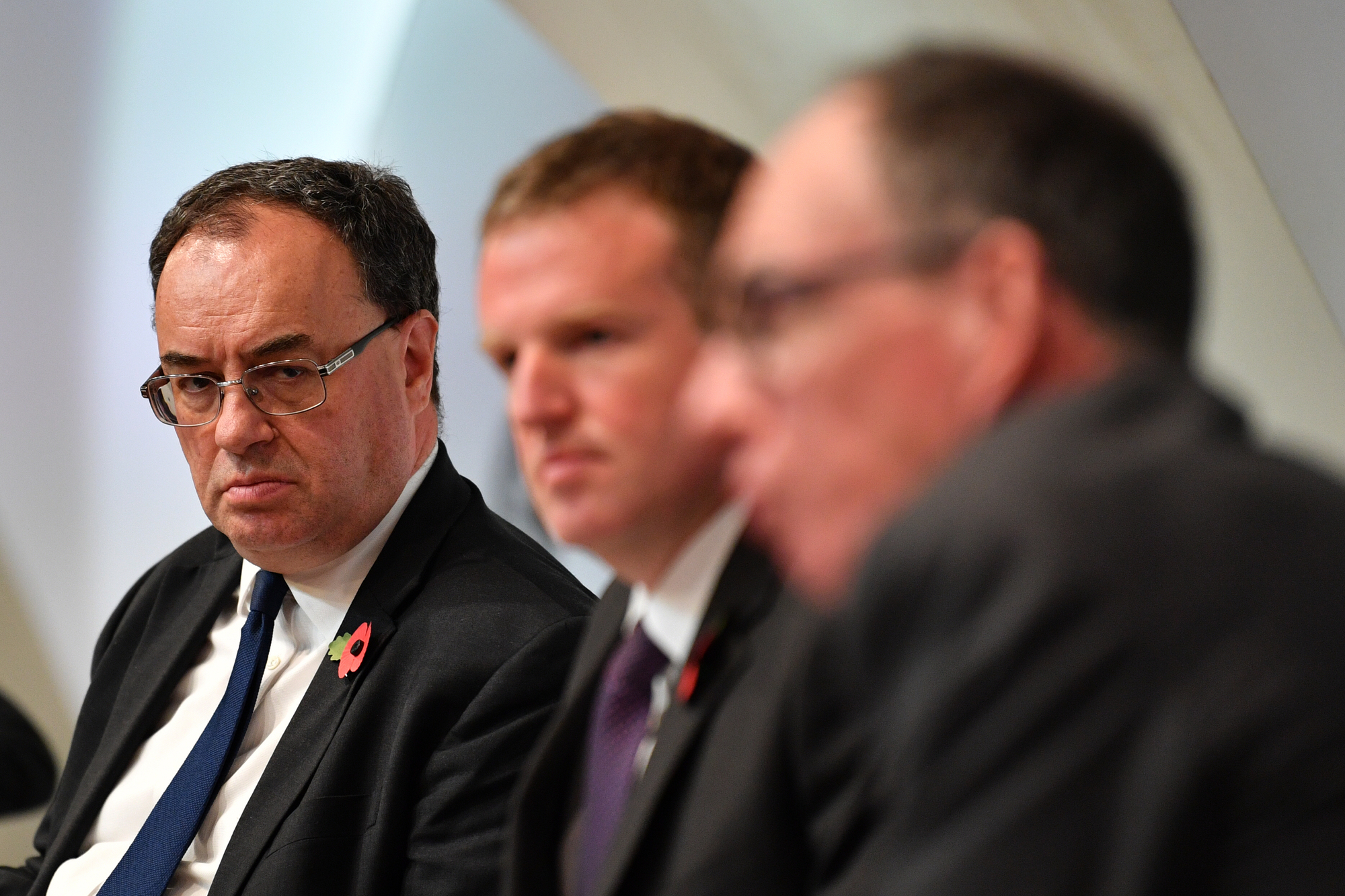
Andrew Bailey (left), governor of the Bank of England. Picture: Justin Tallis/PA
Investors sharply increased their bets that the Bank of England is about to raise UK interest rates for the first time since the Covis-19 pandemic, after British inflation data came in far higher than forecast.
British consumer price inflation surged to a 10-year high of 5.1% in November, hitting a level which the Bank of England only expected to see in April next year.

"The Bank of England is more likely to hike after another inflation surprise," Nomura strategist Jordan Rochester said, arguing that the rise in inflation reflected the strength of longer-term price pressures.
Before a BoE rate announcement last month, investors had priced in a near-100% chance of a rise that month, following comments from governor Andrew Bailey which they interpreted as a signal that an increase in borrowing costs was imminent.
But only two of the BoE's nine policymakers voted for a rate rise, with Mr Bailey and others preferring to wait for official data to confirm that the end of the British government's job furlough scheme on September 30 had not led to a big rise in unemployment.
More recently, news of the Omicron variant prompted Michael Saunders — one of the two policymakers who voted for higher rates last month — to state that there "could be particular advantages in waiting" before raising rates.
The BoE would be the first major central bank to raise rates since the start of the pandemic if it does so today.