'Vast majority' of Covid hit firms have viable future, Central Bank says
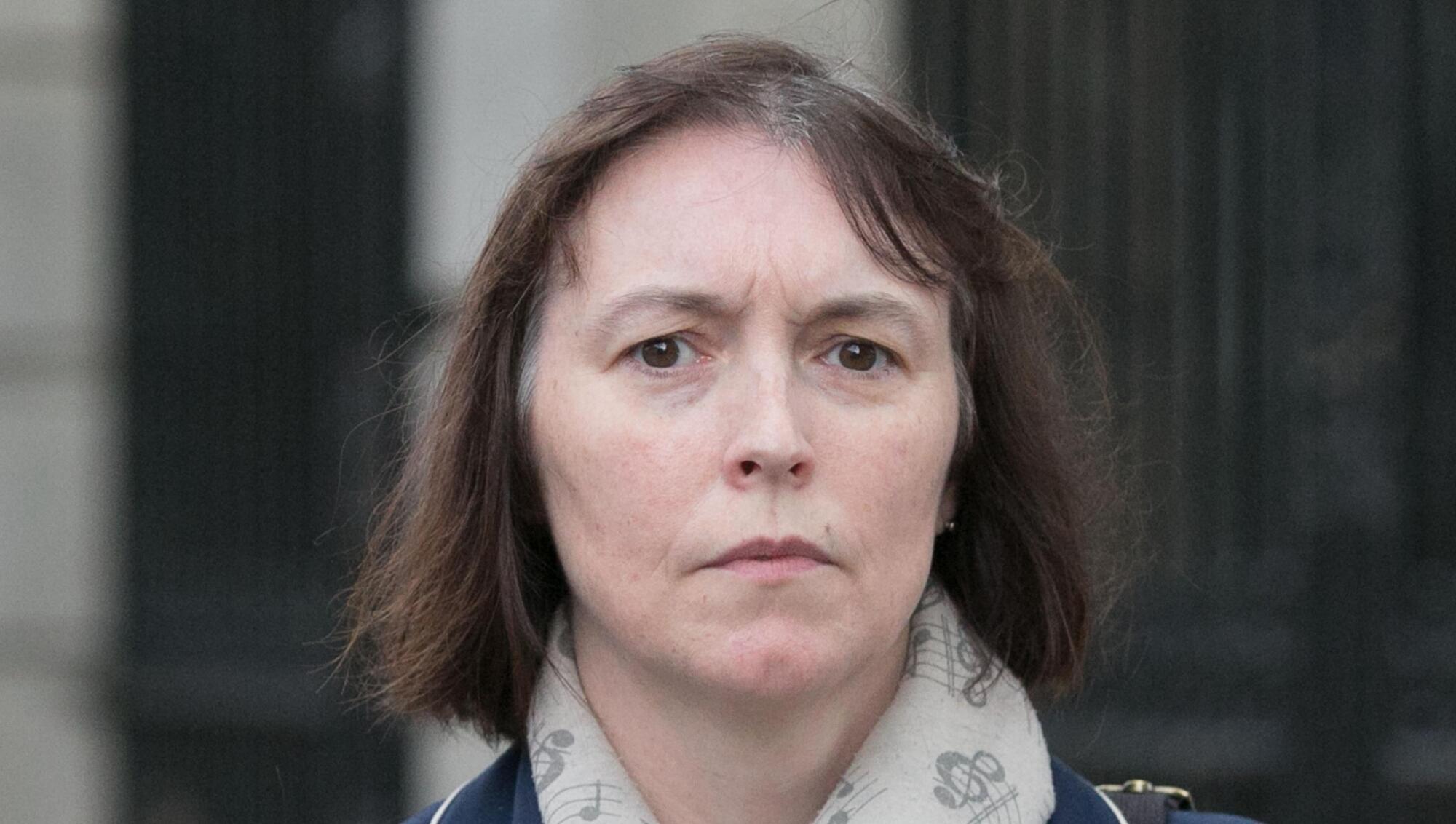
Central Bank deputy governor Sharon Donnery: 'The survival of viable businesses, who have faced challenges during the pandemic, is critical for employment and the overall health of the economy.'
The “vast majority” of Irish companies financially impacted by the Covid crisis have a viable future and Government supports have not artificially supported firms or created zombie businesses, the Central Bank has said.
In its latest research on the impact of the pandemic on companies, specifically SMEs, the regulator said the companies likely to be hardest hit by the crisis were those that were already struggling financially before Covid.
The Central Bank also said the withdrawal of Government supports would probably not “adversely” affect a large amount of companies.
It said the majority of firms that are expected to remain financially distressed after the Covid crisis “are those that were distressed before the start of the pandemic”, adding there is “clear distinction” between pre-pandemic distress and the temporary distress incurred in 2020.
It puts the level of pre-Covid distressed firms at 5%-6% of SMEs.
The Central Bank said it expected financial distress among firms to fall from a peak of 12% in 2020 to 7% by 2024.
Without the various Government financial supports, introduced since the onset of the crisis, 15% of firms would have been financially distressed during the pandemic, with up to 30% of SMEs being obliged to meet their operating losses using only pre-existing cash balances, the Central Bank said.
The expectation of a minimal impact from the withdrawal of supports is based on the strength of forecasts for Irish economic growth. However, the Central Bank said if there is only a partial economic recovery, a sustained period of loss-making may lead to elevated levels of financial distress among certain SMEs, particularly those in the retail and hospitality sectors.
The Central Bank said from the end of 2020 to the end of September this year, €4.7bn worth of loans were subject to some form of forbearance, or repayment relief – usually in the form of interest-only payments or payment breaks. Nearly 80% of these loans were to businesses, with 65% solely to companies in the property, accommodation and food and entertainment and recreation sectors.
The regulator said “adequate availability” of liquidity finance remains “a key priority” for facilitating SME recovery.
“While there are signs of economic recovery, the current outlook – as evidenced by the emergence of the Omicron variant – reinforces the fact that significant uncertainties remain,” said Central Bank deputy governor Sharon Donnery.
“The issue of distressed debt remains a key focus for the Central Bank. We expect regulated firms to continue to support viable businesses and borrowers through the challenges posed by Covid-19… The survival of viable businesses, who have faced challenges during the pandemic, is critical for employment and the overall health of the economy,” she said.
In its research, the Central Bank said those firms already distressed in 2019 are likely to remain in financial trouble by 2024. This, it said, highlights the importance of an insolvency system that can distinguish between those requiring restructuring and those for whom liquidation would be more appropriate.
CONNECT WITH US TODAY



Be the first to know the latest news and updates