UK economy hits buffers over supply chaos with Covid curbs set to prolong the misery
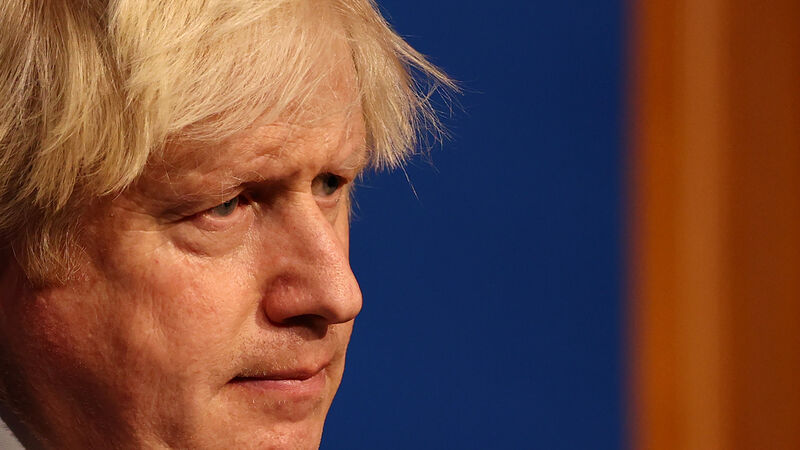
Boris Johnson's newly-introduced Covid restrictions for Britain could cost the UK economy €2.3bn a month.
The UK economy grew less than forecast in October as shortages of materials hit manufacturing and construction, and a further loss of momentum now seems inevitable with consumers facing fresh restrictions to contain the new strain of Covid-19.
Britain’s GDP grew 0.1%, compared with 0.6% in September, the country’s Office for National Statistics said. Growth of 0.4% was forecast. It left output 0.5% lower than in February 2020, before the pandemic struck.
The outlook for the end of the fourth quarter appears to be even bleaker after UK prime minister Boris Johnson this week announced measures, including guidance that people should work from home, in an effort to halt the spread of the Omicron variant. The curbs could cost the UK economy as much as £2bn (€2.3bn) a month.
The potential hit to UK consumer spending has left traders all but convinced that the Bank of England will refrain from raising interest rates until February. Until recently, a December hike was fully priced in due to acute labour shortages driving up wages and inflation.
In October, British manufacturing flatlined and construction shrank as both sectors continued to experience shortages of materials and components. That offset a gain for services that brought the sector back to pre-pandemic levels. The increase in services was driven by more face-to-face appointments with medical doctors.
The construction sector shrank by 1.8% in October as output was once again heavily impacted by shortages of timber, cement, steel and glass.
The UK forecasts don’t tally with current Irish outlooks. Davy has forecast 15.5% GDP growth for Ireland this year and 7.6% growth for 2022, while EY said this week that the Irish economy is ending 2021 with stronger growth prospects than expected.
That is despite Irish inflation hitting a 20-year high last month and economists expecting prices to remain high throughout 2022 and beyond, with many staples such as food and fuel becoming increasingly less affordable.
The UK figures come as Bank of England officials prepare to discuss whether to become the first major central bank to raise interest rates from their pandemic lows.
While the end of British government support for furloughed workers does not appear to have increased the country’s unemployment, the threat posed by Omicron is casting a shadow over the outlook.
CONNECT WITH US TODAY



Be the first to know the latest news and updates