Central Bank steps up concerns over outsized role of property funds in Irish commercial market
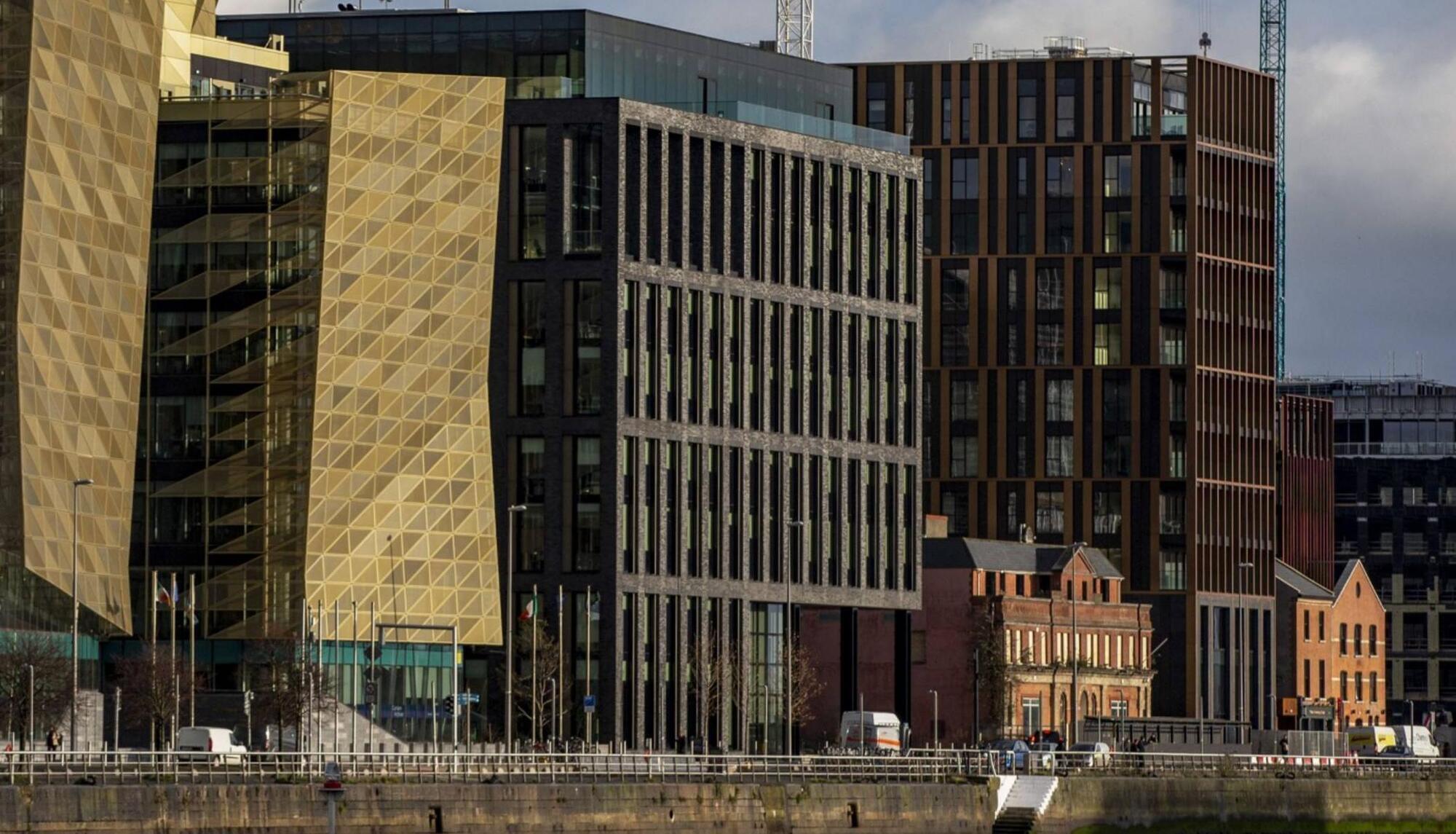
The Central Bank has launched a consultation about its proposals through the early months of next year. File picture: Hollie Adams/Bloomberg
The Central Bank has made minor changes to the way banks lend to the residential mortgage market but has stepped up its concerns about the potentially outsized role property funds are playing in the Irish commercial property market.
In its latest review of the risks and resilience of the Irish financial system and economy, the Central Bank has proposed measures to limit the amount of leverage or borrowings that property funds can pump into Irish commercial buildings to safeguard against any potential shock from the sector reverberating into the wider economy.
It isn’t the first time the Central Bank has signalled out commercial property funds that play an outsized role by international standards in investing in Irish office, retail and industrial projects, but the latest report marks something of stepping up of those concerns.
There are 200 property funds, which include US, European, and Irish investors, that account for €23bn, or 40% of the stock of commercial property investments in Ireland.
The size of the sector needs to be looked at “quite closely” to guard against vulnerabilities building in the future, Central Bank governor Gabriel Makhlouf told reporters.
The Central Bank has launched a consultation about its proposals through the early months of next year.
The review made no big changes to the way the mortgage rules that limit the amount that borrowers can tap to buy homes but there are operational changes to the way banks can plan the amount of lending in any single year.
The Central Bank said it has also clarified the workings of the way lenders can participate in the shared equity scheme.
The bank is conducting a major review of the mortgage rules which should be ready to be published after next summer.
The report notes concerns across the world, including from the IMF, over the jump in house price increases in many countries in the past year.
Asked whether Irish house prices were “flashing red”, Mr Makhlouf said that the macroprudential rules introduced in the wake of the global financial crash were designed to prevent any recurrence of a banking crash.
Irish residential property prices have climbed 12.4% from a year ago and rental costs have raced ahead as the housing shortages have been made worse by the Covid restrictions on building sites.
Overall, the Central Bank assesses that the risks to the Irish financial system, economy, and businesses have eased since an earlier report in June.
The Central Bank has made no changes, yet, to the special buffers it requires banks to hold against economic boom and busts and they remain at 0%.
However, it said it expected “a gradual rebuilding” of the reserves next year.
CONNECT WITH US TODAY



Be the first to know the latest news and updates