Covid cases and inflation combine for troubling week ahead
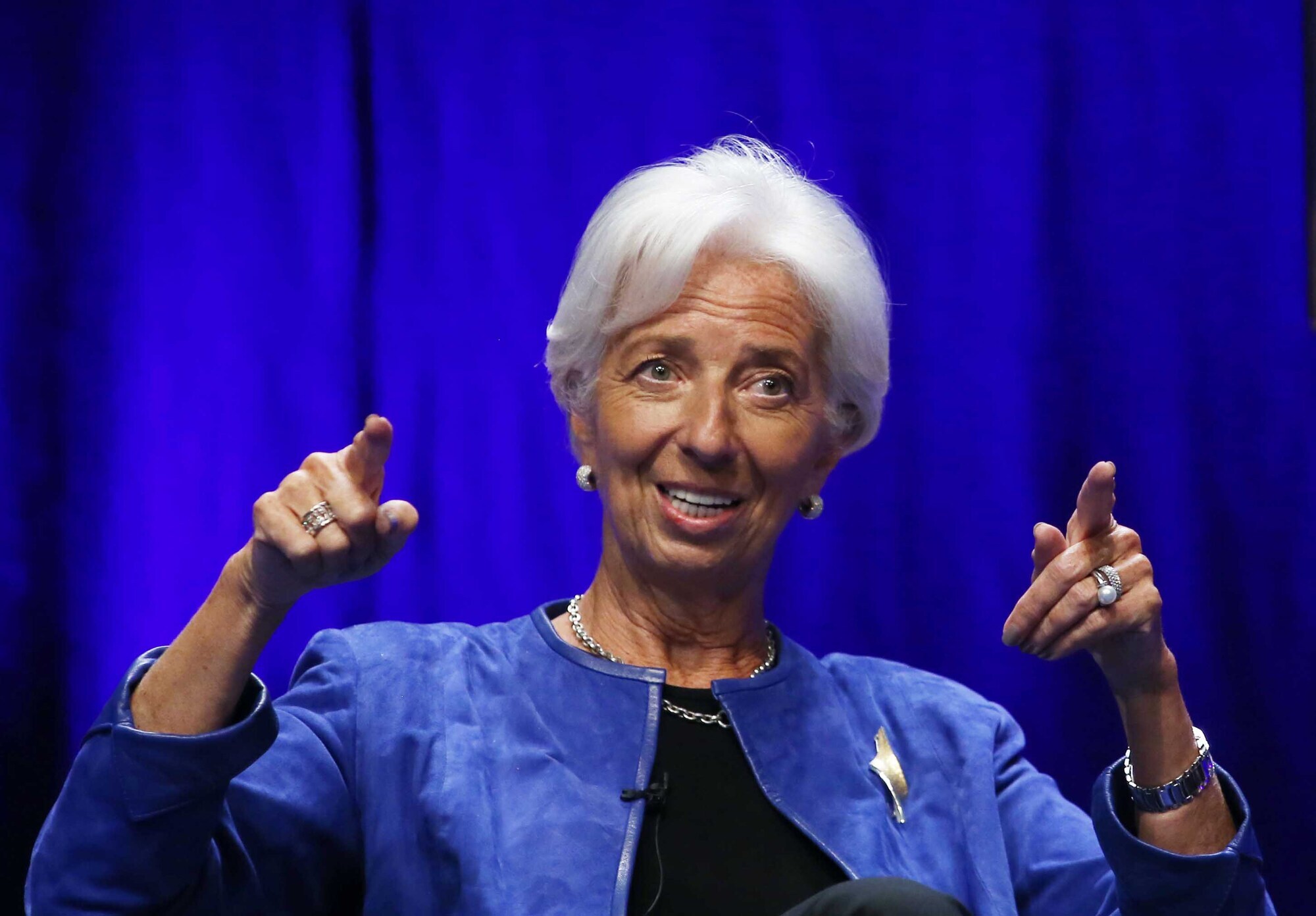
ECB president Christine Lagarde and colleagues struggled to convince financial markets that bets on an interest rate hike in 2022 to tame inflation were probably misplaced.
The world economy is approaching the northern hemisphere winter in disarray, unable to shake off the coronavirus crisis amid persisting supply disruptions, soaring prices, and resurgent outbreaks.
Global surveys of purchasing managers this week are likely to point that way. Among the outcomes anticipated by economists are slowing manufacturing and services activity throughout the eurozone and the UK, and only modest improvement in the US.
With parts of Europe confronting renewed restrictions to contain another wave of the virus, China’s rebound fading, and rising infections taking hold in America too, much of the global economy is now staring at the threat of a second northern winter of woe, compounded by a cost-of-living squeeze amid surging gas prices and supply bottlenecks.
Europe is at the sharper end of the advanced world wedge. Record infections in Germany might push authorities to announce new lockdowns, and Austria has already done just that. The continent as a whole is enduring a painful peak in consumer prices.
In the US, meanwhile, former treasury secretary Lawrence Summers said he sees no more than a 15% chance that “it’s all going to work out well”, with the probabilities much greater for either stubbornly high inflation or a slump in growth.
The extent to which such outcomes play out will inform monetary policy deliberations on the speed of stimulus withdrawal across the Group of Seven, culminating in a grand finale of decisions in mid-December.
Much of Europe is retreating again in the face of a fourth wave of Covid-19, and survey data next week should give some early clues about the economic impact of rising infection rates, says Bloomberg Economics.
With more than two weeks left before ECB officials enter the quiet period before their all-important decision on the future of stimulus, comments from several of them may rivet investors. President Christine Lagarde will be among the policy makers speaking.
The ECB will also release an account of its previous meeting in October, when Ms Lagarde and colleagues struggled to convince financial markets that bets on an interest rate hike in 2022 to tame inflation were probably misplaced.
Aside from the monthly purchasing manager survey results due across the continent, Germany’s Ifo index on Wednesday will provide another snapshot of Europe’s biggest economy, just as it reels from ongoing supply interruptions, new infections, and a political system in flux amid continued coalition negotiations.
In the US, a pre-holiday feast of economic data and a possible announcement on president Joe Biden’s choice to lead the Federal Reserve will be laid out for investors over the coming week.
The US government’s report on personal income and spending, which includes an inflation measure tracked by the Fed, will be the main course on data-heavy Wednesday before markets close the following day for Thanksgiving.
Other US releases on Wednesday include durable goods orders, revised third-quarter economic growth, new-home sales, merchandise trade, and a final read on consumer sentiment. Existing home purchase data and surveys on November manufacturing and services will surface earlier in the week.
Also on Wednesday, the US Fed will release minutes of its early November policy meeting in which the US central bank announced it would start reducing asset purchases.
Meantime, the White House says Mr Biden will announce whether he will renominate Jerome Powell to a second term as chair of the central bank, or opt for Fed governor Lael Brainard instead.
In Asia, the Reserve Bank of New Zealand and the Bank of Korea are both expected to raise interest rates for the second time since the pandemic as they lead the pack in Asia in stemming any inflation risks.
Reserve Bank of Australia officials will be speaking on panels and may shed some light on how strongly the central bank will stick with its back-of-the-rate-hike-pack stance.
Tokyo inflation figures at the end of the week will show if Japan is seeing more signs of a pickup in prices as energy costs soar.
- Bloomberg