Prof Andrew Keane: Ireland has potential to deliver more clean energy than it can consume
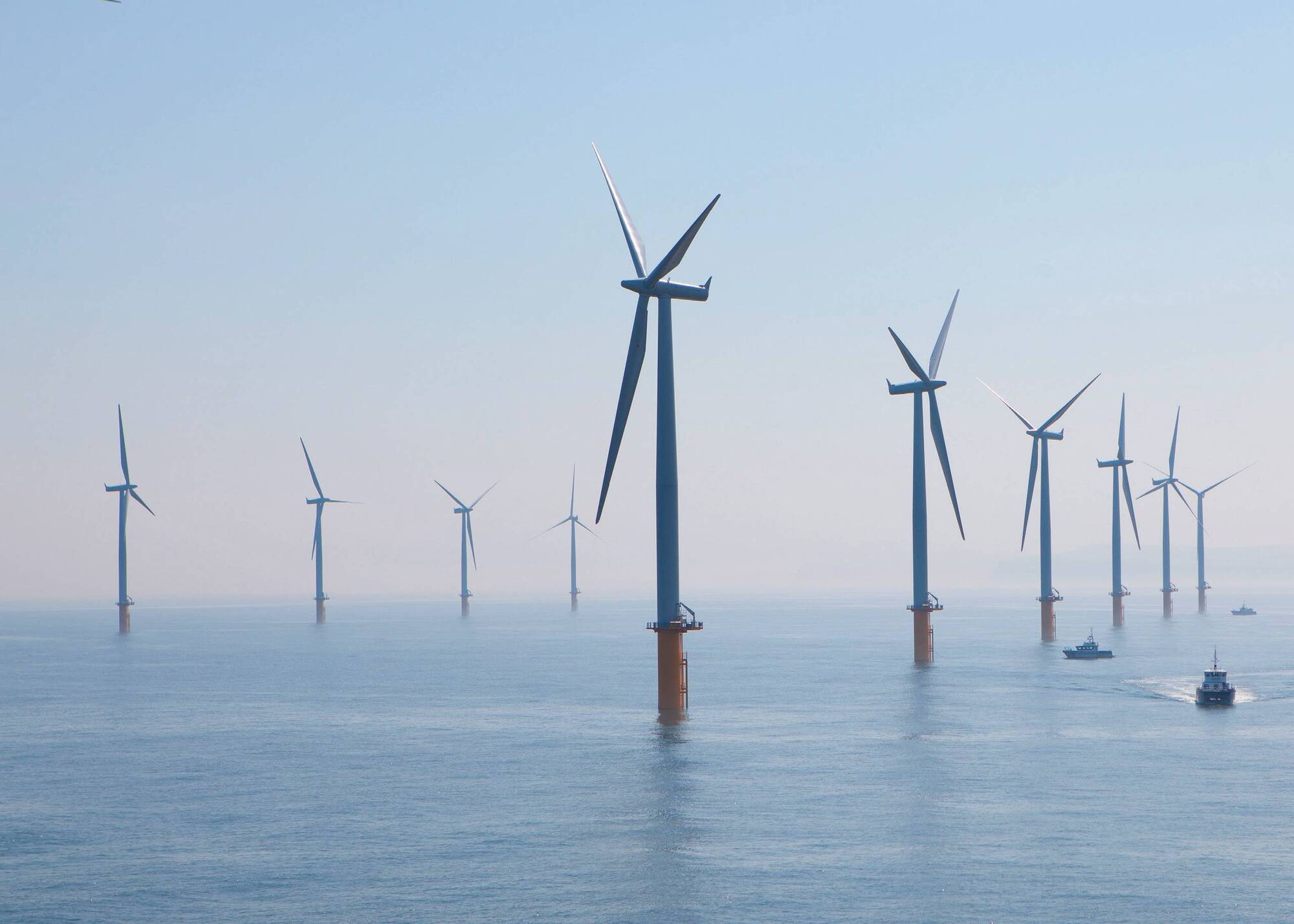
The development of new floating offshore wind technologies allows access to deeper waters, such as the Atlantic coast, which has some of the highest average wind speeds in Europe.
The recent agreement at Cop26 was somewhat disappointing in the language around the phasing down of fossil fuels, but there does seem to be strong international agreement on the need to tackle climate change, and many countries are looking at what they need to do with renewed urgency.
The electricity sector is leading the way in decarbonisation, with heating and transport becoming increasingly electrified and reducing their reliance on fossil fuels.
The recent publication of Ireland’s Climate Action Plan sets out the roadmap for how Ireland will achieve a 51% reduction in emissions by 2030, setting out on a path to net zero emissions by 2050.
Within the plan, the electricity sector faces very challenging cuts in emissions, targeting between 62% to 81% reductions.
There is also a clear focus on electrification of heating and transport through specific targets for heat pump installations and electric vehicles sales.
Along with these new sources of demand, electricity demand is expected to increase as the population grows and data centres consume more power. EirGrid has estimated that peak demand in 2030 will reach 6.6 gigawatts (GW), compared with 5.4GW in 2020.
Ireland is already leading the way in terms of using large amounts of renewable energy. Some 43% of electricity came from renewables over 2020, and it has the capability of reaching 75% on the system at a given time.
However, a step-change is still required.
The Climate Action Plan includes targets for the addition of electricity generation, one of which is a target of at least 5GW in offshore wind capacity. There is a strong pipeline of projects in place; however, there is a lot of work to do to meet the 2030 target.
The successful development of the projects will also require more investment in the grid both on the island of Ireland and through greater interconnection with Britain and France. Key interconnector projects such as Greenlink and the Celtic Interconnector are progressing and EirGrid has outlined a roadmap to develop the grid to 2030.
Then there is the 2050 target. The longer-term objective to decarbonise the energy system should remain a key focus as we work towards 2030.
There is a massive opportunity for offshore wind development in our coastal waters, which has the potential to decarbonise Ireland’s energy while also contributing to the energy needs of other countries.
The development of new floating offshore wind technologies allows access to deeper waters, such as the Atlantic coast, which has some of the highest average wind speeds in Europe.
There is potential to deliver more energy than Ireland will consume, with exporting energy being an option that could bring economic benefit to Ireland.
That leads to questions about how best to make use of this energy and how to transport it. We need to be able to deliver any additional energy from where it is produced — from the remote sea areas — to where it is used. The development of power grids that facilitate the connection of offshore wind to Ireland and to European power grids will require detailed consideration.
Another opportunity for Ireland is production of green hydrogen.
Hydrogen can be produced through a process called electrolysis using electricity to split water into hydrogen and oxygen. When renewable electricity is used, such as from wind, it is known as green hydrogen. This is a renewable energy option that has many potential uses and can provide a solution for sectors where electrification isn’t a viable option, including heavy industry, aviation, freight transport, and in making cement.
Developing our own energy resources will help to protect Ireland from fossil fuel price shocks that we are now seeing with increasing gas prices and provide increased energy security.
We need to act quickly for 2030 and set out on a path to achieve net zero emissions by 2050.
- Professor Andrew Keane is director of the UCD Energy Institute


CLIMATE & SUSTAINABILITY HUB
CONNECT WITH US TODAY



Be the first to know the latest news and updates