COP26: Ireland must target 'luxury emissions' 
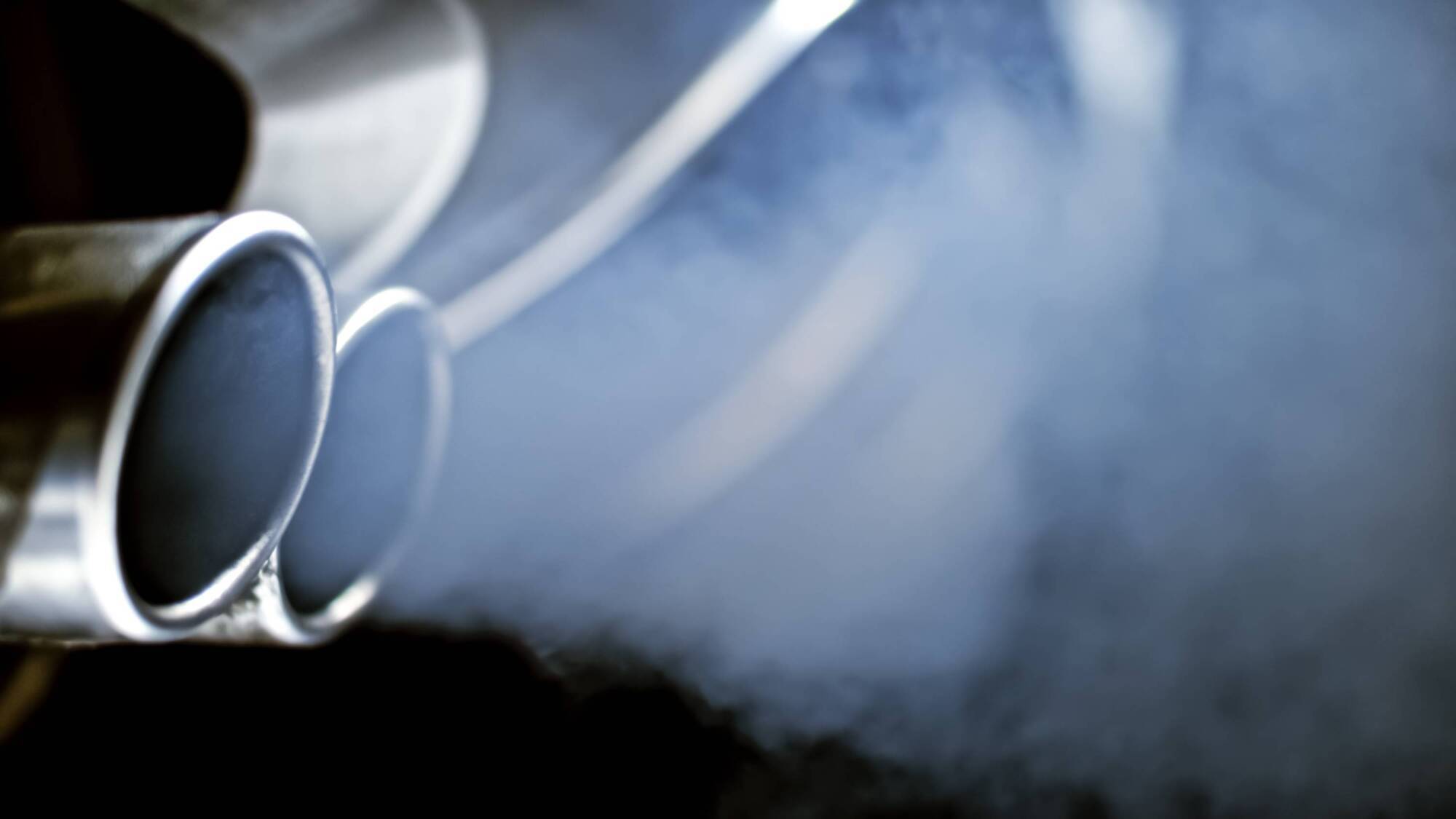
Consumption by unnecessary SUVs, the second biggest contributor to recent global emissions growth, must be treated differently to the likes of home heating
COP26: Ireland must target 'luxury emissions' 

We face into the Glasgow conference despite many Paris signatories failing to submit updated plans for emission cuts. And many world leaders will not attend.

Halloween marks the opening of the 26th United Nations Climate Change Conference, or COP26, in Glasgow — with pressure on all countries, including the EU and Ireland, to deliver on their pledges.           

This COP is the first round of the “ratchet mechanism” in the Paris agreement. Pledges made for nationally determined contributions in the 2015 deal by themselves are not enough to meet targets. Signatories are meant to bring to the table plans for bigger emission cuts. 

The science has never been clearer on the urgency as the 1.5C special report sets striking deadlines to prevent a climate breakdown. The political landscape has changed and what was once considered a niche concern is now the focus of mass movements. 

We face into the Glasgow conference despite many Paris signatories failing to submit updated plans for emission cuts. And many world leaders will not attend.

According to a recent UN analysis, current pledges would imply an increase in emissions of 16% over 2010 levels by 2030, and set the world on a disastrous path of 2.7C  of warming. 

Barring “dramatic emissions reductions”, millions of people will likely experience life-threatening heat stress by the 2030s, a report from Chatham House suggests.

Temperature increases would threaten global food systems, stability, and even lead to new outbreaks of disease, and the World Health Organization warns about a looming crisis. 

The EU, a signatory on Ireland’s behalf, recently increased its commitments to 55% emissions reductions over 1990 levels by this decade. Still, the Climate Action Tracker finds EU plans insufficient.

This conference will mark the first time Ireland has arrived at a COP with binding targets for emissions cuts. The Government's soon to be released carbon budgets should offer a plan to more than halve emissions by the end of the decade.

However, despite Covid restrictions, the Environmental Protection Agency data suggest emissions fell by only 3.6% in 2020, half the average needed this decade to meet Ireland's legal goal. 

Plans should recognise that much of the emissions growth in the so-called Global South is related to the pollution outsourced by manufacturers from the wealthy world, which artificially boosts targets for many states. This presses home the need for aid to help developing countries to decarbonise. Starkly, Ireland’s emissions equal those of the world’s 400m poorest people. 

As a member state of the EU, Ireland can help to prevent efforts to maintain coal power. A 2018 analysis showed that allowing more global coal plants to open would blow through the remaining carbon budget. 

Domestically, we should be extremely cautious before we develop expensive infrastructures which could lock us into further fossil fuel use. Touted solutions such as natural gas may be cleaner than other fuels and be technically consistent with 2030 targets. However, these new systems could obstruct net zero efforts by 2050, as significant infrastructural investments demand returns.

Paul Goldrick-Kelly is an economist at Neri, the Nevin Economic Research Institute

Realism also urges us to appreciate uneven contributions to climate problems within countries. According to Oxfam, the richest 1% of people in Ireland account for up to 13 times the footprint of the bottom half of the population. We must treat luxury emissions differently: Emissions from unnecessary SUVs, the second biggest contributor to recent global emissions growth, are not the same as home heating or transport.

Climate policy at home and abroad must deal with the structure of the economy, including agriculture, Ireland's biggest emitter by sector. It also includes demands for the energy sector to generate large emissions cuts, taking into account data centres or a new fleet of electric cars.

Limiting climate chaos will require “rapid and far-reaching transitions” in the way we do things. This COP gathering must be marked by more than words.  

  • Paul Goldrick-Kelly is an economist at Neri, the Nevin Economic Research Institute

x

CLIMATE & SUSTAINABILITY HUB

More in this section

The Business Hub

Newsletter

News and analysis on business, money and jobs from Munster and beyond by our expert team of business writers.

Cookie Policy Privacy Policy Brand Safety FAQ Help Contact Us Terms and Conditions

© Examiner Echo Group Limited