Brian Keegan: Hiding money offshore will end when it becomes too risky
International cooperation has not eliminated the use of offshore tax havens, but it has made it more dangerous
Brian Keegan: Hiding money offshore will end when it becomes too risky

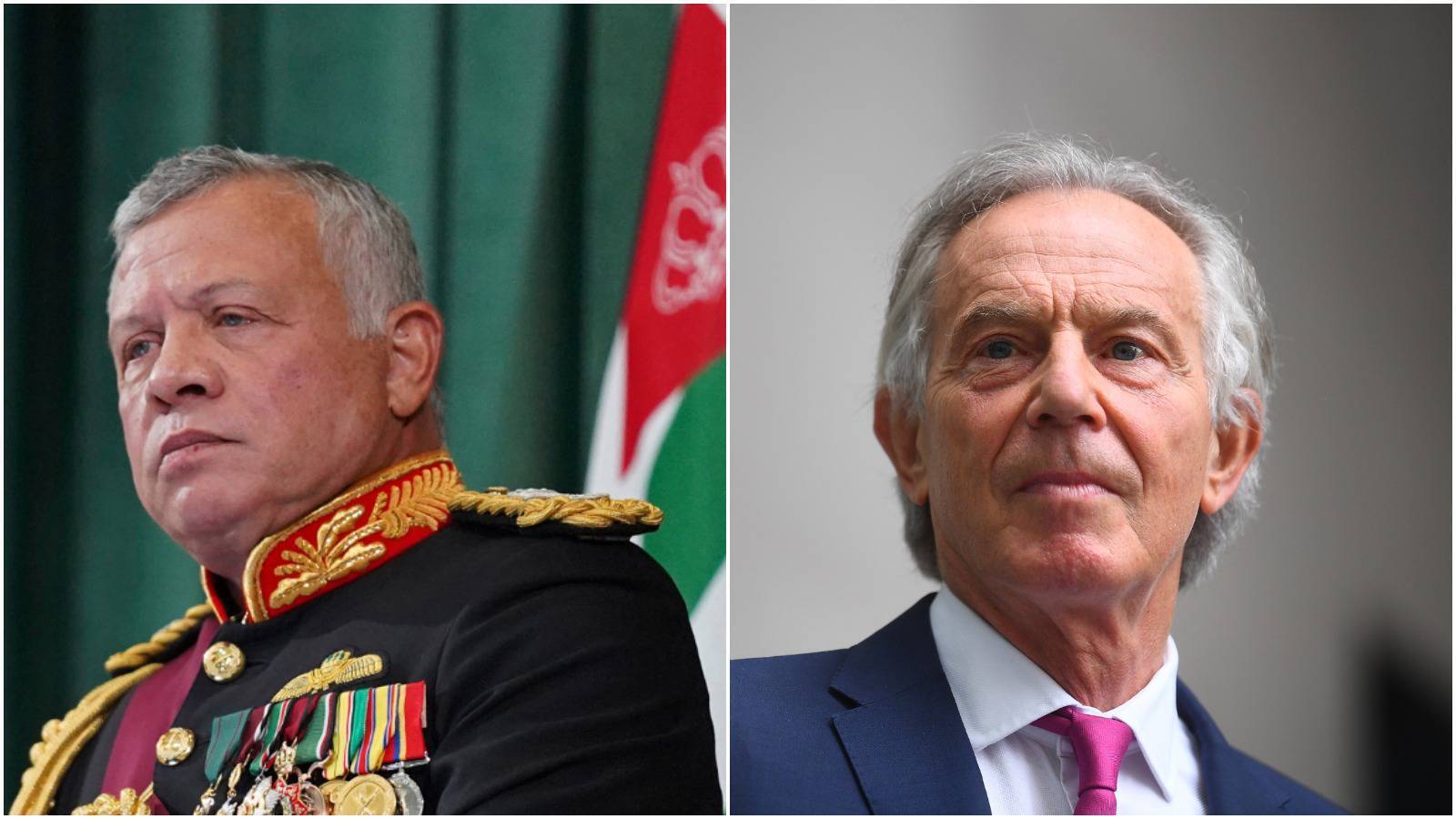
King Abdullah II of Jordan and former UK prime minister Tony Blair's names have both appeared in reports published on the back of the release of the Pandora Papers.

The best we can hope for in this week's budget are policies that will help ensure we can keep our job if we already have one, or for policies that will foster job creation if we are unemployed or in precarious work. 

We might also aspire to having an extra €3 or €4 per week to spend either from increased social welfare or reduced income tax.

This makes it particularly galling, as reported widely in the media last week, to read the accounts of offshore havens being used to sidestep tax bills in the hundreds of thousands — the so-called Pandora Papers. 

The revelations involve the leaked financial structures and offshore arrangements of hundreds of individuals.

Like every other type of law, the tax rules have their boundaries, however, a boundary is not the same as a loophole.

In the same way as an Irish person can’t be charged in this country for speeding in a foreign country, it is not possible for the Irish revenue to impose tax charges on individuals or collect tax on assets outside the jurisdiction. 

Unless that is, they have the cooperation either of the foreign jurisdiction or of the individual themselves.

There has been significant progress in building cooperation to share financial information between jurisdictions in the past decade. 

The underlying theory is simple — tax evasion is much less likely if the hot cash can be traced and taxed, but that theory only works if every country subscribes to it, and not all countries have.

Within the EU in particular, the tax offices in the member countries routinely exchange information on the behaviour of foreign citizens. 

If an Irish person buys an apartment in Spain for instance, the Spanish authorities will let somebody in the Revenue here know about it. 

In common with all forms of information exchange this is fraught with difficulties in translation and mismatches in systems. 

Elaborate legal structures can also muddy the waters when trying to establish who truly owns what.

Beyond the EU, most countries have tax information exchange agreements in place which allow the tax authorities to ask pointed questions about the behaviour of their citizens abroad, even if the answer might be slow in coming. 

One consequence of these developments is that offshore havens are becoming increasingly exotic. 

It is not terribly long ago since the favourite destination for people’s hot money was north of the border on our own island. 

Now, anyone who is determined to stash money offshore must go to a territory which has either not signed up to international agreements or might not have systems in place to enforce them. 

In turn that means trusting significant wealth to foreign banking and legal systems which are perhaps not as robust as they are here. 

International cooperation has not eliminated the use of offshore tax havens, but it has made it more dangerous.

Getting individuals to cooperate so that this kind of avoidance and evasion activity stops happening is a different matter entirely. 

The Pandora Papers leaks follow on from the Panama Papers in 2016 and the Paradise Papers in 2017, and memories of the protagonists in those leaks have faded. 

Few of those named in the latest revelations will be unduly concerned for very long about reputational damage.

If these reports achieve anything, it will be to put greater political emphasis on improving the international cooperation arrangements. 

Hiding money and assets offshore will eventually end, not because it is wrong, but because it will have become too risky.

  • Brian Keegan is director of public policy at Chartered Accountants Ireland

x

More in this section

The Business Hub

Newsletter

News and analysis on business, money and jobs from Munster and beyond by our expert team of business writers.

Cookie Policy Privacy Policy Brand Safety FAQ Help Contact Us Terms and Conditions

© Examiner Echo Group Limited