Small firms call for tax cuts and minimum wage restraint
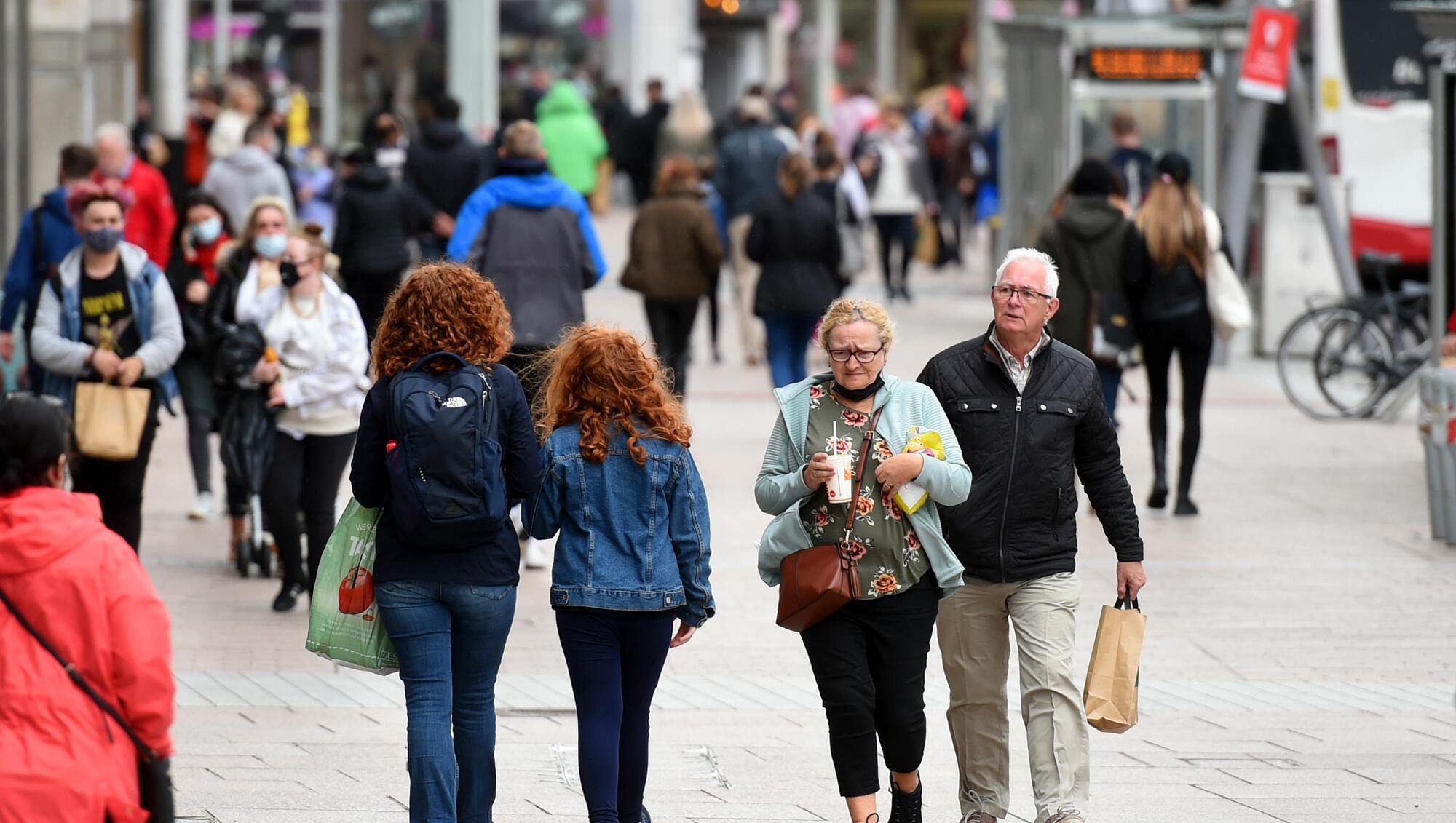
The SFA said Budget 2022 must take "decisive action to stop the discrimination in the tax system against the self-employed and proprietary directors". File picture: Larry Cummins
Capital Gains Tax (CGT) should be cut to 20% in the upcoming budget in order to stimulate investment and entrepreneurship the Small Firms Association (SFA) has said.
Outlining their pre-Budget submission, the business representative group said significant benefits could be derived through exchequer increases as economic activity and investment transactions are stimulated.
Changes to the tax system and supporting upskilling to address labour shortages are amongst their key recommendations.
The submission states that analysis by the Irish Tax Institute shows that CGT represents only 1% of the government's tax revenue.
"In this context, there is very little to lose by reducing the rate, and the benefits could be significant.
"International evidence as well as Irish data from the last two decades, has demonstrated that when CGT rates are reduced, revenue to the Exchequer increases, as economic activity and investment transactions are stimulated."
The SFA said small businesses are now looking beyond the pandemic at what their trading outlook will look like in the weeks and months ahead.
Sven Spollen-Behrens, SFA director, said the all-consuming nature of Covid-19 means Ireland’s economy can no longer accommodate the "long-standing barriers facing business-owners".
"To assist the recovery and make Ireland a better country for entrepreneurship capital gains tax should be reduced from the current penal rate of 33% to 20% and increase the lifetime limit for CGT Entrepreneur Relief to €15m," Mr Spollen-Behrens said.

The SFA also wants changes to the tax appeals process which they say is unfair and has tipped the balance to the detriment of the taxpayer.
"If a taxpayer disputes an assessment, they must pay the tax liability in full or face a potential interest liability at annualised rates of 8% or 10% per annum while their appeal is pending. Meanwhile, there is no obligation on Revenue to pay interest in the event of a successful appeal by the taxpayer," the submission states.
The SFA also said the past few months have highlighted the need for the Government to invest in policies to strengthen digital skills, re-training and boost basic skills.
“As the Irish economy comes out of the emergency phase of the pandemic, it is vital that the Government use Budget 2022 to focus on providing certainty on costs and support the retention of staff, to help small businesses survive and mitigate any long-term impacts from Covid-19 restrictions,"
However, the SFA warned that many businesses operate in low margin environments, making it difficult for them to absorb cost increases.
Their submission calls on the Government to oppose any increase in the National Minimum Wage next year and postpone the introduction of the Living Wage.
"Ireland is becoming a place where it is more and more difficult to do business due to continuing rising costs, be it wage costs, administrative costs, or utilities," Mr Spollen-Behrens said.
"The Competitiveness and Productivity Council has consistently signalled that Ireland continues to slip in its competitiveness ratings compared to other EU countries, Budget 2022 is a prime moment to reverse this downward trend."
“Small businesses can be major contributors to growth, job creation, and regional economic recovery if the right choices are made in Budget 2022," he said.


CONNECT WITH US TODAY



Be the first to know the latest news and updates