John Whelan: Growth in US demand driving revival in Irish drink exports
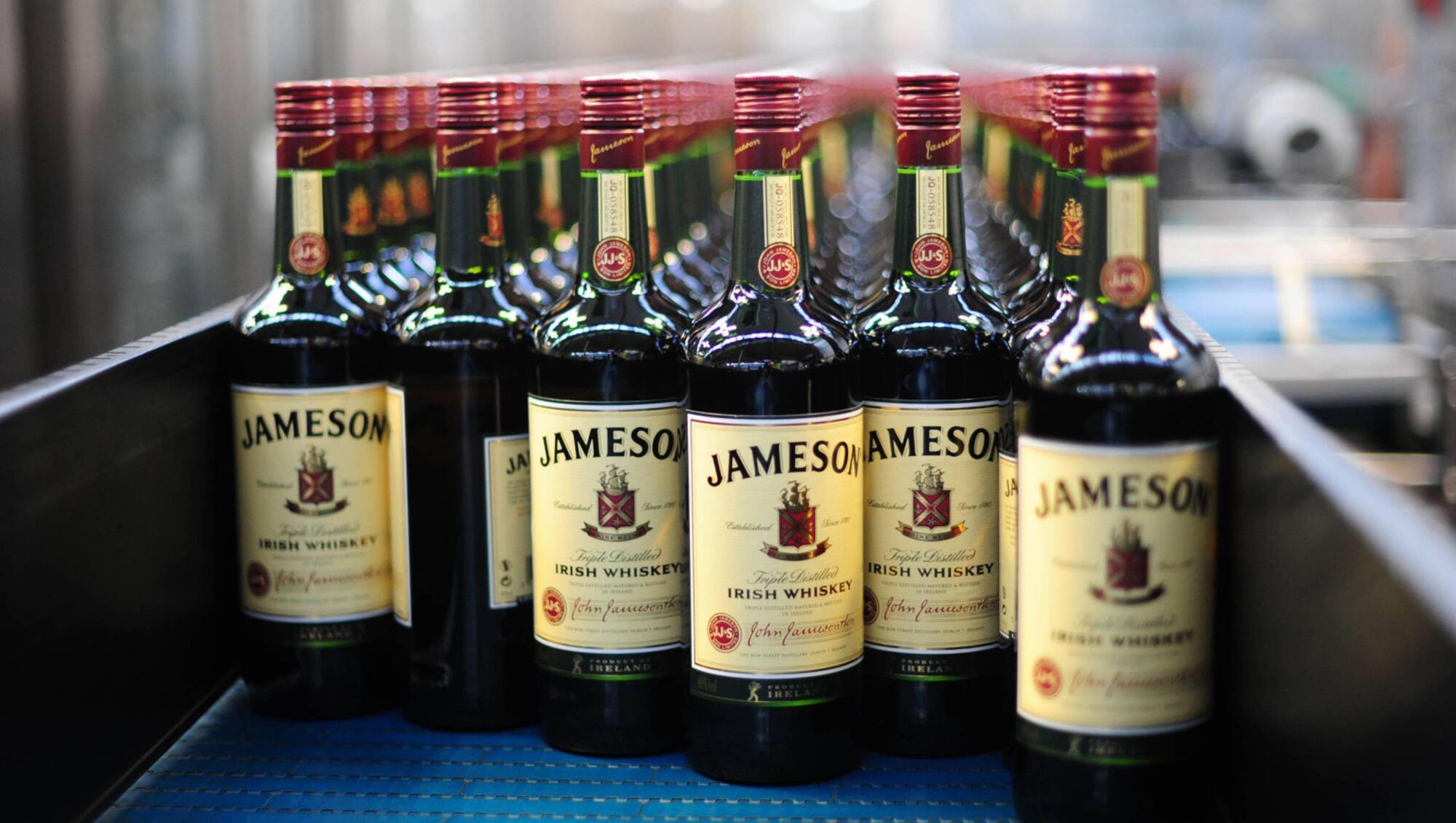
Irish whiskies such as Jameson have benefitted from the 2018 EU-Japan trade agreement.
THE global closure of pubs and restaurants drastically hit Ireland’s drinks industry in 2020. However, there has been a remarkable turnaround in the first half of 2021 — led by resurgent demand in export markets, in particular the rampant consumer demand in the US, according to CSO data.
This bounce back to sales of €754m for the six months, is an upswing of 25% on the same period last year and takes industry exports back above the pre-pandemic levels recorded in the first six months of 2019.
The US market, the main market for Irish whiskey and beer, accounting for 40% of export sales in the period, provided the biggest boost to exports, with sales up one third on the first six months of last year.
Analysts attribute some of the growth to the significant shift to home drinking, and an element of restocking following disruption in Ireland-US shipping routes.
Traditionally, the sales in pubs and restaurants, or the on-trade, have accounted for two thirds of industry sales. This trend has been reversed through the pandemic.
The main exporter from Ireland, Diageo — which makes Guinness, Baileys, and Hophouse 13 — pointed to strong demand at retail stores in the US making up for weak business at bars and restaurants in Europe as it reported a surprise rise in underlying net sales growth.
The US accounts for nearly 45% of group profits and has been a bright spot for the world’s largest spirits maker, with 80% of its sales coming from retail stores. In other markets, bars and restaurants make up most of the sales.
Beverage exports to the EU, the second largest market, with sales of €171m in the six months, while increasing over last year, still remained below stable market 2019 conditions.
This is particularly worrying for the industry, which has seen the nearest and dearest UK market collapse last year and remained down by one third in the six months to June this year. Export sales to Britain in the first half of the year recovered to €102m, but remained a long way off the 2019 sales volume of €146m.
Covid restrictions on pubs and restaurants hit the EU beer market particularly hard. Big brewers across Europe have been rolling out ‘welcome back’ campaigns in the hope of attracting back customers to pubs, as the
restrictions are lifted.
Diageo has spent €83m on its Raising the Bar campaign across 35,000 pubs in 11 countries in Europe, including Ireland and the UK.
Perhaps most disappointing for Irish producers is the lack of penetration in the Chinese market. Scotch whisky continues to dominate the market with sales last year of €120m compared to €8m of Irish whiskey. This picture has not changed so far this year.
The market is one of the world’s largest, with an attractive low import tariff currently at 5%. However, Irish producers have so far not been able to navigate its complicated distribution channels, not to mention multiple language barriers.
The fastest-growing spirits category in Japan is Irish whiskey. Although the pandemic affected some business channels, the outlook within the industry remains positive.
The Bord Bia research found that Japan was the largest Asian market for Irish alcohol in 2019, the value of exports rising by 9% to €10m.
The signing of an EU-Japan economic partnership agreement in 2018 means that Irish whiskey is legally protected in Japan and brands such as Tullamore Dew, Jameson, Bushmills, and Teeling are spearheading the success of Irish whiskey there.
Irish brewers have also penetrated the Japanese market, recording exports to the market worth €2.5m.
Industry sales to the rest of the world were also very buoyant, with year-on-year export sales up 43% to €166m and a near doubling of the volume in 2019. Of particular note were increased sales in South Africa.
• John Whelan is managing partner of the Linkage Partnership.
CONNECT WITH US TODAY



Be the first to know the latest news and updates