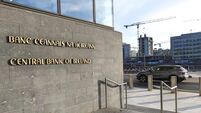
Why Ireland is taking on most of the world in tax fight
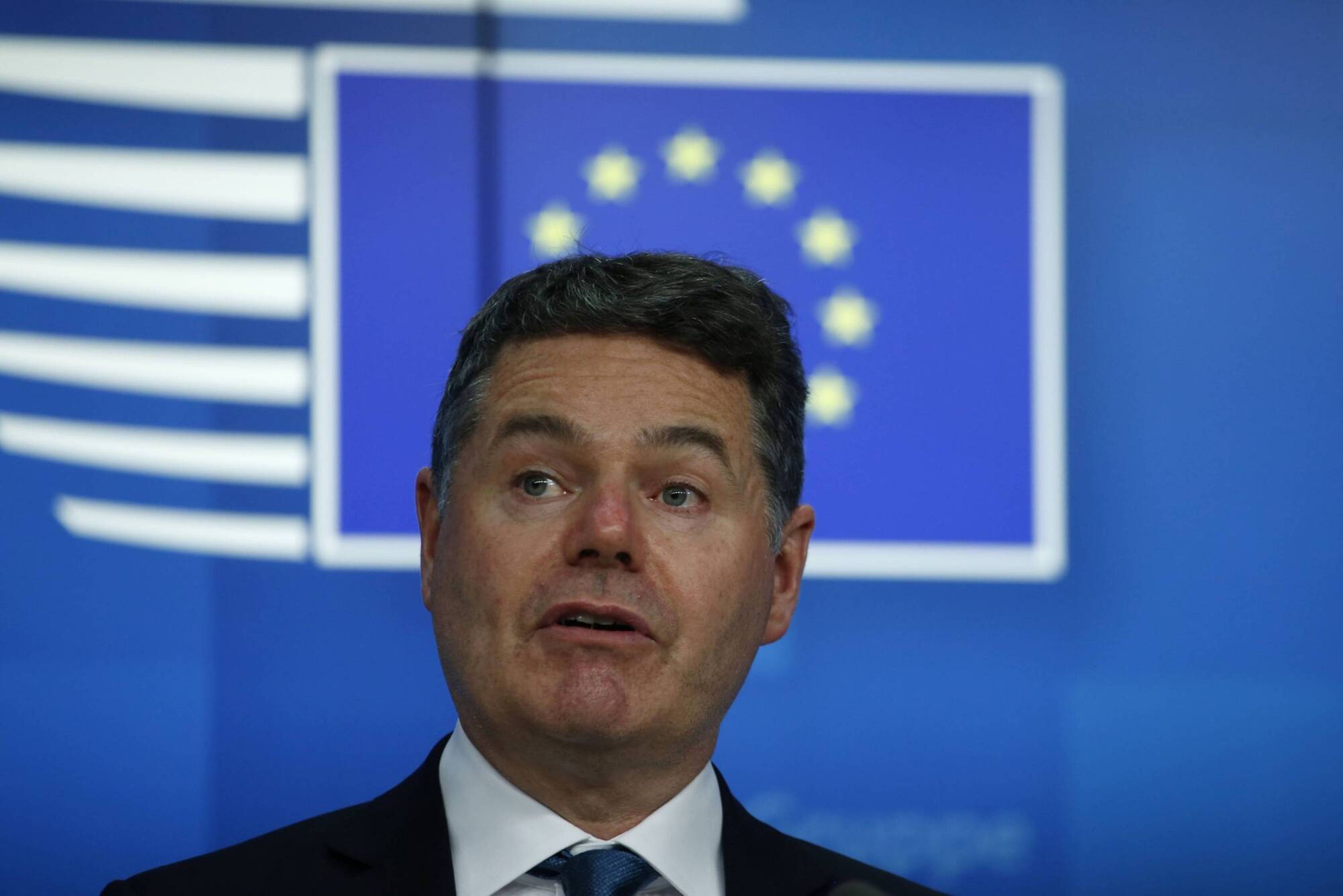
Paschal Donohoe has opened the issue up for public feedback. Picture: Valeria Mongelli/Bloomberg
Ireland is battling to keep its 12.5% corporate tax rate, even as most of its traditional allies seek to set a global minimum rate of at least 15%.
Minister for Finance Minister Paschal Donohoe has opened the issue up for public feedback after opting to join six other countries - among 139 involved in talks - holding out against an overhaul of the international tax system.
Why is Ireland so wedded to its low-tax status, and what might happen next as negotiators move to finalize the plan?
Since 2003. Since then, Ireland has refused to raise the rate in the face of international pressure, including a campaign led by former French president Nicolas Sarkozy during negotiations over the nation’s international bailout in 2011.
The policy works. The Irish rate is well below the average figure of about 23% in OECD countries, helping persuade companies such as Google Inc. to set up in Dublin. About 20% of workers are now employed by foreign multinationals, directly or indirectly.
Foreign direct investment in Ireland amounts to more than 400% of economy, and the nation is among the most attractive locations for overseas companies in Europe, according to consulting firm EY.
The government says a wider principle is at stake: sovereignty. Any country should be able to set its own tax policy, it says. Virtually every mainstream Irish political party, including the left-wing Sinn Fein, back the 12.5% rate.
Company levies accounted for about a fifth of all tax last year. That doesn’t include income tax paid by overseas companies operating in Ireland.
The government will ultimately sign up for the 15% rate if it’s granted certain “flexibilities,” the Irish Examiner reported this month.
It may not be that simple, though. For some in government, the tax debate is an opportunity to send a message to global executives that Ireland stands with business and they are determined to hold out as long as possible.
For now, the only certainty is that Ireland won’t move anytime soon. There’s no guarantee US Treasury Secretary Janet Yellen will persuade lawmakers to back a minimum rate, imperilling the wider plan. Plus, holding fast now might allow Ireland extract as many concessions as possible before folding later.
Bloomberg
CONNECT WITH US TODAY



Be the first to know the latest news and updates