G20 finance ministers back overhaul of corporate tax for multinationals
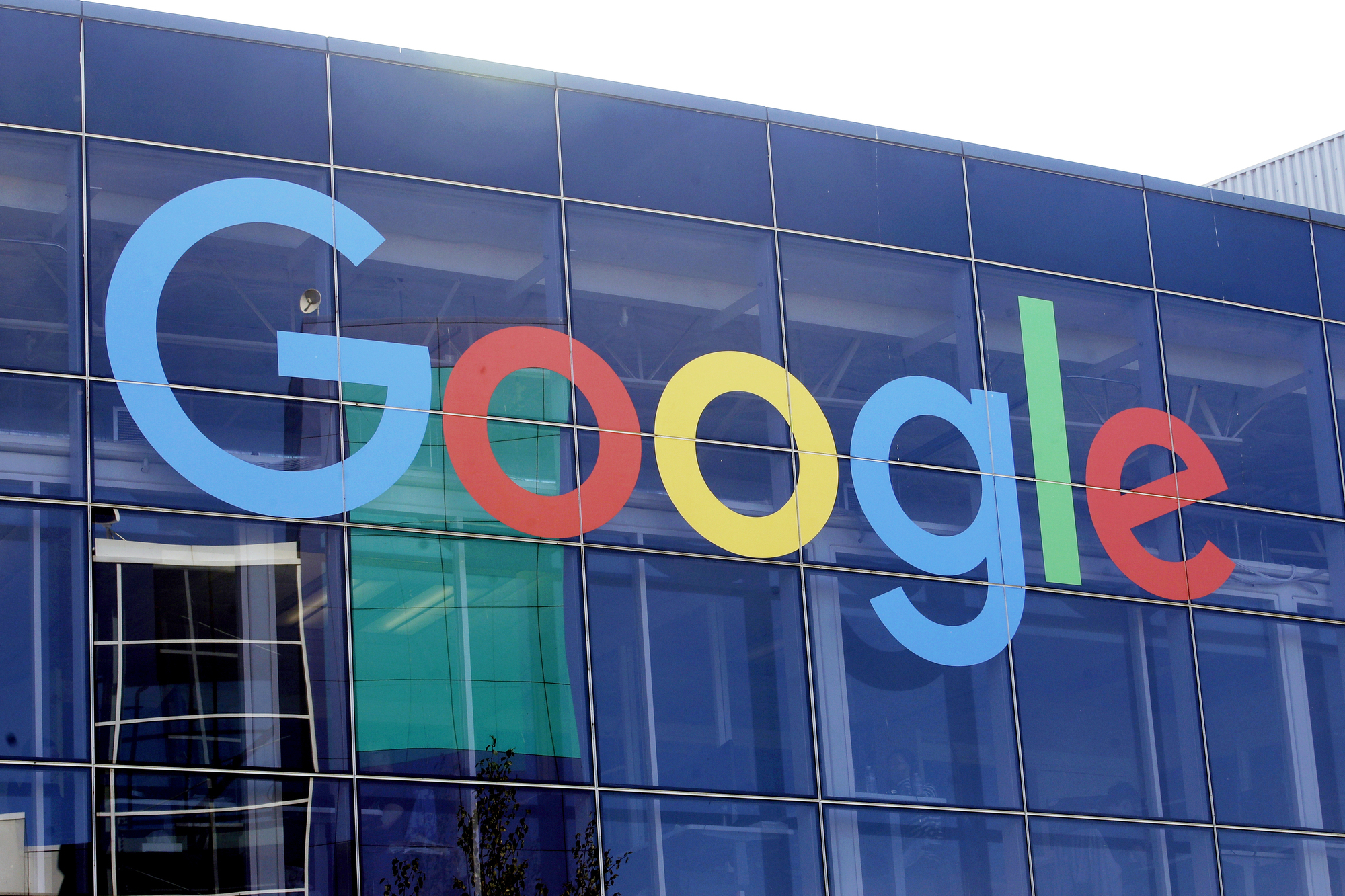
The pact to establish a minimum global corporate tax rate of at least 15% is an attempt to squeeze more money out of tech giants like Google.
Finance chiefs of the G20 club of large economies have backed a landmark move to stop multinationals shifting profits into low-tax havens and win back hundreds of billions in lost revenues, a draft communique showed.
The agreement at talks in Venice is set to be finalised this weekend and caps eight years of wrangling over the issue.


Read

Listen

Watch

Play
CONNECT WITH US TODAY



Be the first to know the latest news and updates




The Business Hub
Newsletter

News and analysis on business, money and jobs from Munster and beyond by our expert team of business writers.
The Business Hub
Newsletter
News and analysis on business, money and jobs from Munster and beyond by our expert team of business writers.

Lunchtime News
Newsletter
Get a lunch briefing straight to your inbox at noon daily. Also be the first to know with our occasional Breaking News emails.
Revoiced
Newsletter
Had a busy week? Sign up for some of the best reads from the week gone by. Selected just for you.
Most Read
Wednesday, September 30, 2026 - 11:00 AM
Wednesday, September 30, 2026 - 3:00 PM
Wednesday, September 30, 2026 - 11:00 AM