'Huge effort' to reach 30,000 new homes target after Covid disruption
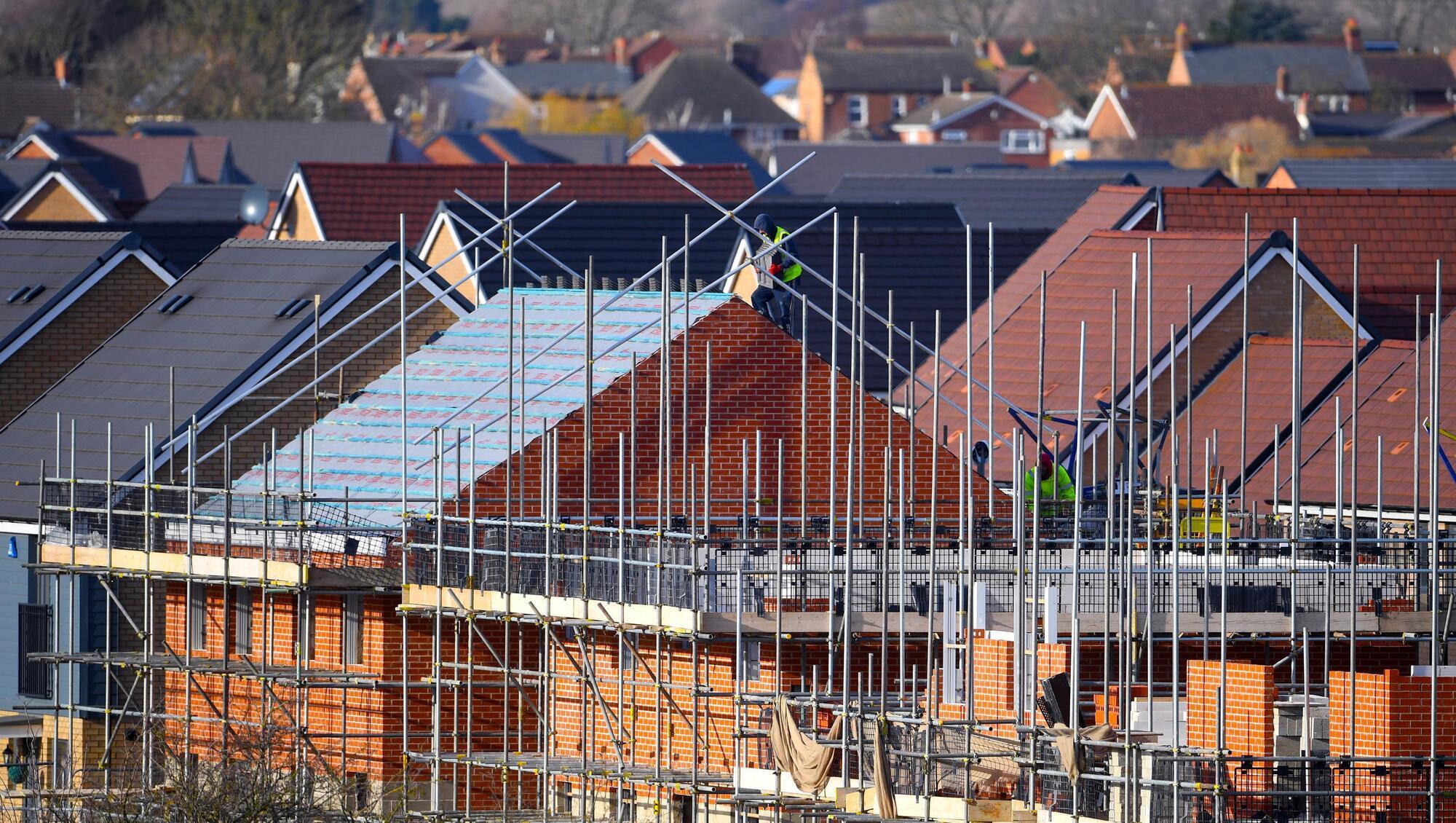
Before the pandemic, Goodbody had forecast that reaching the 30,000 new homes target would take to the middle of the decade, but the Covid disruption of the housebuilding industry has made matters worse.
It will take many years to make good the Covid-19 disruption to house building, which means reaching the annual target of new builds required to start easing the housing crisis will be tougher, a leading economist has said.Â
Dermot O'Leary, chief economist at broker Goodbody, said "a huge effort" will be required to build over 30,000 new homes each year — the target that most experts believe will be required in private and public new homes, if supply is to start meeting demand.     Â
Before the pandemic, the broker had forecast that reaching the 30,000 target would take to the middle of the decade, but the Covid disruption of the housebuilding industry has made matters worse.      Â
The Economic and Social Research Institute (ESRI) last week warned that house prices could be set to surge after Covid's tougher-for-longer shutdown of building sites for the second time since the onset of the pandemic in March last year.Â
The ESRI also said that unleashing some of the billions of euros in household savings accumulated during the pandemic could make matters worse in terms of house prices and disrupted supply.  Â
It forecast only 15,000 homes will be completed this year and 16,000 next year due to the construction shutdown.  Â
Goodbody's Mr O'Leary said that reaching the 30,000 new homes target will require more direct builds of public housing, private apartment builds for rent, as well as from the private housebuilders.Â
The Irish housebuilders were a lot smaller than those in Britain, he said.Â
From a low of 4,500 new builds in the wake of the banking and property crash, annual housing output rose to 21,000 completions before the Covid pandemic.Â
After weathering the Covid storm, shares in the large British housebuilders, Persimmon and Barratt Developments, have soared by as much as 76% in the past year.Â
Shares in Cairn Homes and Glenveagh Properties — the two largest housebuilders in the Republic — have risen 70% and 107%, respectively, in the same period.Â
Meanwhile, the Central Bank has signalled out the way some households have been the hardest hit by the Covid economic crisis.Â
Its deputy governor Sharon Donnery said in a speech the jobs outlook for women, the young, and the less skilled "have been particularly affected by the pandemic" although Government income supports have helped.Â
A total of 443,247 people required the pandemic unemployment payment (PUP) this week, down slightly from the previous week, according to the latest figures from the Department of Social Protection.
The largest professions requiring the PUP include the 107,040 people from accommodation and food services and 54,314 building workers. Â
Revenue figures show that, in February, 311,800 workers had their salaries subsidised by their employers, thanks to State payments.
In all, including the live register unemployment count, over 900,000 people required some sort of welfare payment. Â
  ÂÂ
  Â