AstraZeneca in new vaccine turbulence as Fauci-led US institute seeks timely data
Shares in AstraZeneca fell by about 1.5% after the US National Institute for Allergy and Infectious Diseases indicated that promising US trial results may give an 'incomplete' view of the vaccine's efficacy
AstraZeneca in new vaccine turbulence as Fauci-led US institute seeks timely data

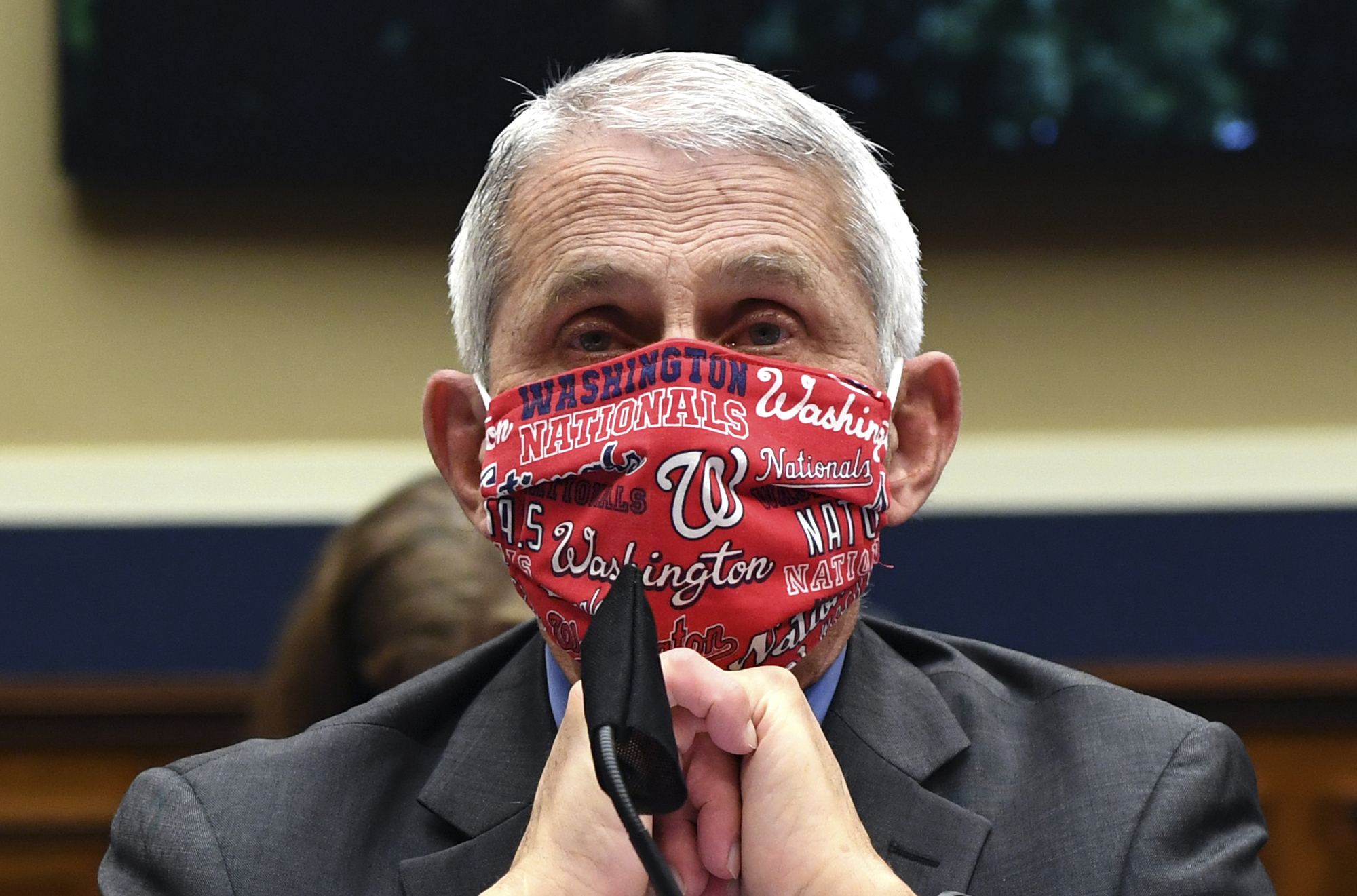
Anthony Fauci, director of the US National Institute for Allergy and Infectious Diseases.

Shares in AstraZeneca fell by about 1.5% after a US institute headed by leading immunologist Anthony Fauci indicated that promising US trial results may give an “incomplete” view of the vaccine's efficacy.

The US National Institute for Allergy and Infectious Diseases said the independent panel charged with ensuring the safety and accuracy of the vaccine trial had expressed concern that results included outdated information.

AstraZeneca is preparing to seek approval from the US Food and Drug Administration. That green light may now be delayed.

The disclosure marks the latest hitch for AstraZeneca, which said this week the vaccine was found to be 79% effective in preventing Covid-19 in a US clinical trial. The company is also at the centre of a supply showdown with the EU. 

Keep up the pressure

French president Emmanuel Macron said French people from 70 to 75 years old will be able to get the vaccine, but also vowed to keep up the pressure on AstraZeneca. 

“There’s no holiday, there’s no weekend for vaccination,” Mr Macron, who has been criticised for a slow vaccine rollout, said. He said medical students, firemen, nurses, and retired doctors could give the jab. 

On AstraZeneca, the French leader the company was “slightly below its commitments to us”, with orders promised that weren’t delivered. 

About 9% of French people have received at least one vaccine jab. The government aims to have immunised 10m people by mid-April, 20m by mid-May, and 30m by mid-June –slightly less than half of the total population.

Meanwhile, Pfizer plans to tap the mRNA technology to make new vaccines for other viruses following the success of its Covid-19 shot, which was developed jointly with German partner BioNTech, the Wall Street Journal reported in an interview with CEO Albert Bourla. 

The drugmaker said it was ready to pursue mRNA on its own, following its experience in the past year working on the Covid-19 vaccine, the WSJ reported. The CEO did not, however, disclose any details about the viruses it was targeting. 

Use in other areas of medicine

The success of the technology is prompting drug developers to consider its use in other areas of medicine beyond vaccines, attracting billions of dollars in investment.

Ireland is an important part of Pfizer's global supply chain. Even though the country does not make the Pfizer-BioNTech vaccine, a facility in Grange Castle in west Dublin helps in the quality control function of the vaccine made at a Pfizer plant located in the suburbs of Antwerp in Belgium.   

Last year, Pfizer pledged to invest €300m in its Irish operations, supporting the development of its existing manufacturing site in Ringaskiddy, alongside sites in Dublin and Kildare, to bring its workforce in Ireland to 4,000 people. 

• Additional reporting Reuters and Bloomberg 

x

More in this section

The Business Hub

Newsletter

News and analysis on business, money and jobs from Munster and beyond by our expert team of business writers.

Cookie Policy Privacy Policy Brand Safety FAQ Help Contact Us Terms and Conditions

© Examiner Echo Group Limited