'Remote, home working can tackle Ireland's female brain drain'
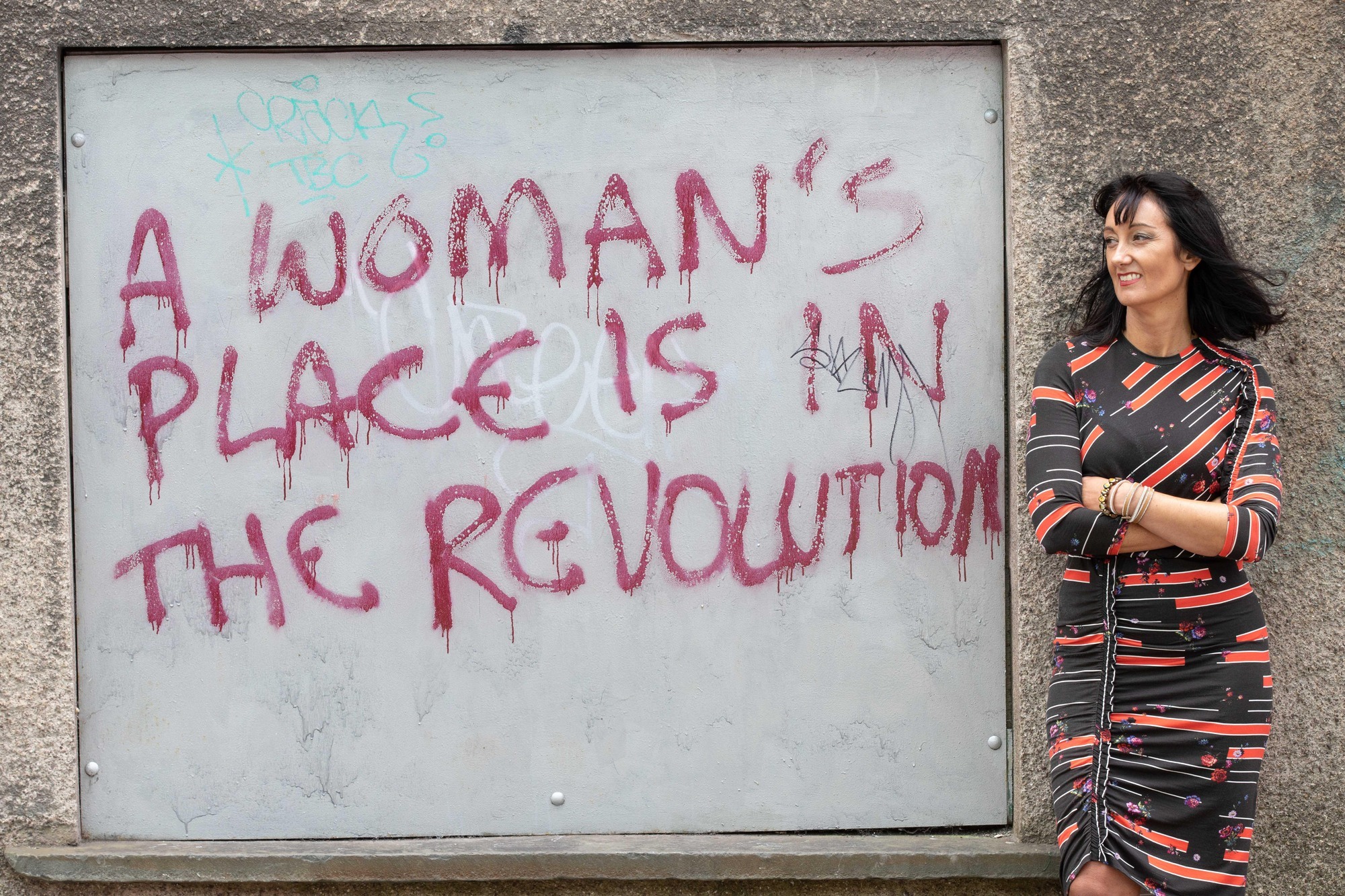
Karen O'Reilly: Ireland has the opportunity to market itself as a country that embraces remote work. Picture: Darragh Kane
The Remote Working Strategy, which makes remote working a permanent option, will help alleviate the female 'brain drain' from the workplace, an employment expert has said.
Launched by the Government last week, the strategy sets out to provide the infrastructure to work remotely, including legislation to allow employees the right to request remote working and a code of practice on the right to disconnect from work (covering phonecalls, emails, and switch-off time).
The Government plans to lead by example, by mandating that home and remote working be the norm for 20% of public-sector employees.
Also this year, the treatment of remote working for the purposes of tax and expenditure in the next budget will be reviewed.
Karen O'Reilly, the founder of Employflex and Employmum, based in Cork, has lobbied for years for the right of workers to request flexible work to bring Ireland in line with the UK.
Ms O'Reilly said the Covid-19 pandemic has led to a seismic shift in attitudes towards flexible and remote work.
"The challenge, now, is for companies to embrace this and to view it as a positive step towards improving the quality of employees' lives," Ms O'Reilly said. "It has been proven that people working remotely, or in a hybrid model of part office/part remote, can be as productive.
"It is vital that companies develop the right policy and procedure around this now and ensure that both managers/leaders and employees are trained in this new way of working," she said.
Ms O'Reilly said that Ireland has the opportunity to market itself as a country that embraces remote work and which has an educated, talented, fluid workforce to match.
"We can answer the cry from tumbleweed towns across Ireland, who have seen their young people migrate to the cities for work, by distributing remote work throughout the island and breathing life back into these forgotten towns and villages," Ms O'Reilly said.
However, Ms O'Reilly said the strategy is not without its challenges, as some SMEs may not have the resources to provide the equipment for people to work from home and there will be resistance from companies that favour the traditional model of 'bums on seats'.
"Our candidates, who are 85% women, welcome this new policy and we sincerely hope that it can help alleviate the female 'brain drain' from the workplace," Ms O'Reilly said.
"The amount of women we speak to who feel they are forced out of the workplace because their employer offers no flexibility is astounding."

CONNECT WITH US TODAY



Be the first to know the latest news and updates