Expiry of UK tax break may lead to end of Covid house price boom
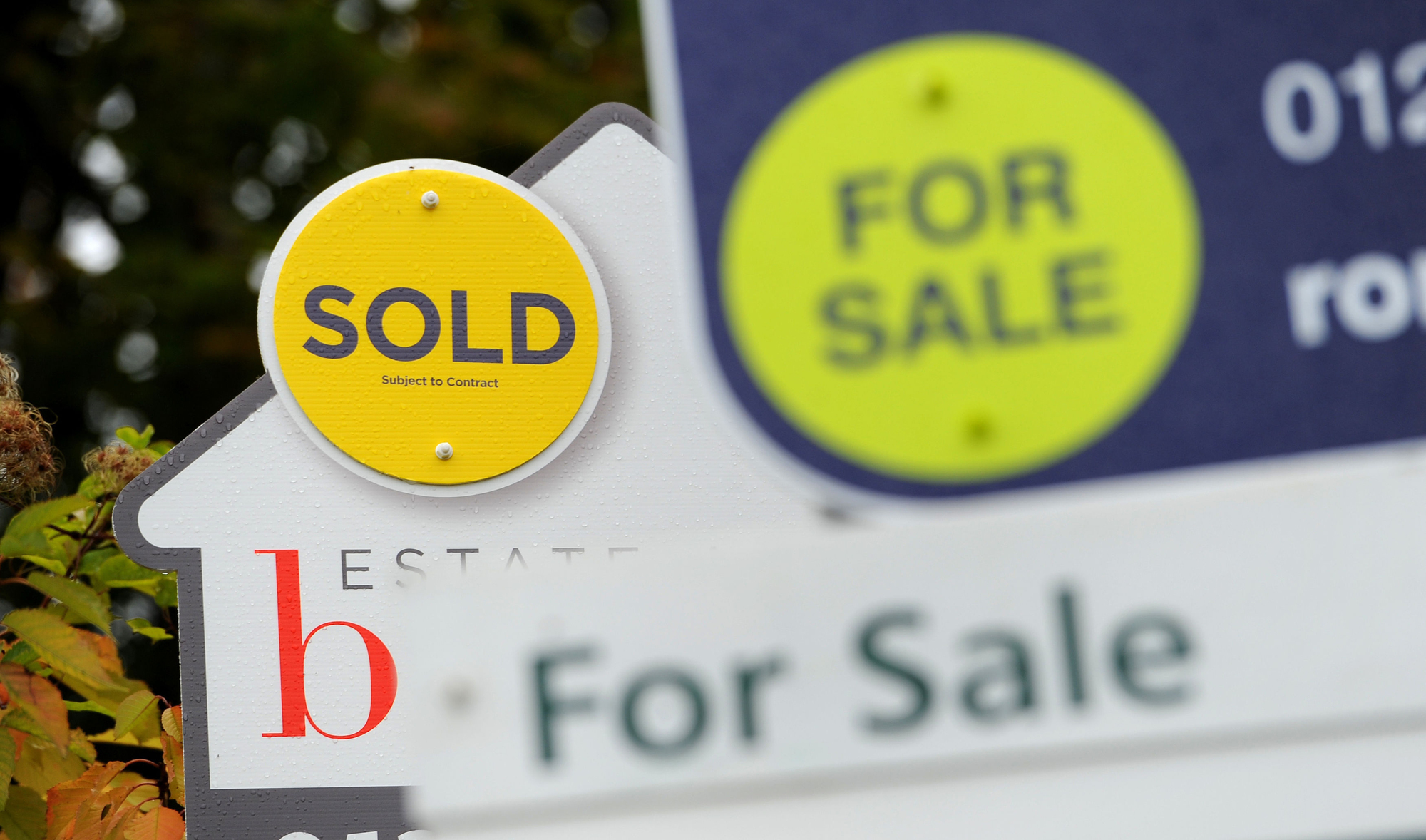
A British government perk that has bolstered demand for homes has only two months left to run. Picture: Andrew Matthews/PA Wire
The UK housing market’s recession-defying surge is about to face a reality check. A government perk that has bolstered demand for homes has only two months left to run, and almost one in six transactions underway are likely to miss out.
The end of the tax break that is saving buyers as much as £15,000 (€16,842) threatens to puncture a boom that stoked prices to the fastest gains in six years.
“The last three, four months have been incredible, you had lots of pent-up demand anyway” from the temporary closure of the market in the spring of last year, said Andrew Montlake, brand director at mortgage broker Coreco. “The government poured petrol onto that with the stamp duty holiday,” he said.
Sellers are already dropping their asking prices to attract buyers before the March 31 deadline, and there are concerns transactions may largely collapse if there is no chance of completion by then. Loan provider Halifax predicts prices could slump as much as 5% this year.
It is the latest in a series of cliff edges that British chancellor of the exchequer Rishi Sunak is facing as measures to boost demand during the first wave of the pandemic expire.
A spokesperson for the treasury said the “time-limited nature” of the cut “is what has encouraged people to take advantage of the scheme”. Still, authorities indicated they were keeping stamp duty under review and closely monitoring the market.
The UK government will have a chance to announce the future of the policy at its March 3 budget. An online petition to extend the tax break for an additional six months has collected more than 100,000 signatures.
The housing industry was one of the few bright spots in the UK’s economy during 2020, with home values soaring to their highest ever last month. After being shuttered during the initial lockdown, the market was already picking up by the time Mr Sunak cut the levy in July, boosted by pent-up demand and Britons’ desire for homes with bigger gardens and more home office space.
Similar tax breaks in the past have tended to disrupt the housing market, prompting people to bring forward buying decisions that they might have put off otherwise, said Richard Donnell, research director at property website Zoopla.
The average time to complete a purchase has stretched to over four months, according to Rightmove, which predicts that 100,000 of the 613,000 agreements already in the pipeline will close after the March deadline.
Residential property prices (houses and apartments) increased by 0.2% nationally in the year to Novemberhttps://t.co/xWkW1vZwov #CSOIreland #Ireland #Housing #HousingConstruction #HouseBuilding #PropertyPrices #HousePrices #IrishBusiness #BusinessStatistics #BusinessNews pic.twitter.com/lL3FwcHpjl
— Central Statistics Office Ireland (@CSOIreland) January 19, 2021
Here, tax perks such as the Government's Help to Buy scheme designed to help first-time buyers to save for a deposit have from time to time come under the spotlight for fueling demand in a market where there is a huge shortage of new houses, made worse by the pandemic restrictions. Prices rose so far by an annual 0.2% across the Republic, according to the latest CSO figures.
However, some experts forecast prices this year will rise more sharply.
Bloomberg. Additional reporting Irish Examiner