For Irish businesses, all eyes on sterling through Sunday on Brexit talks
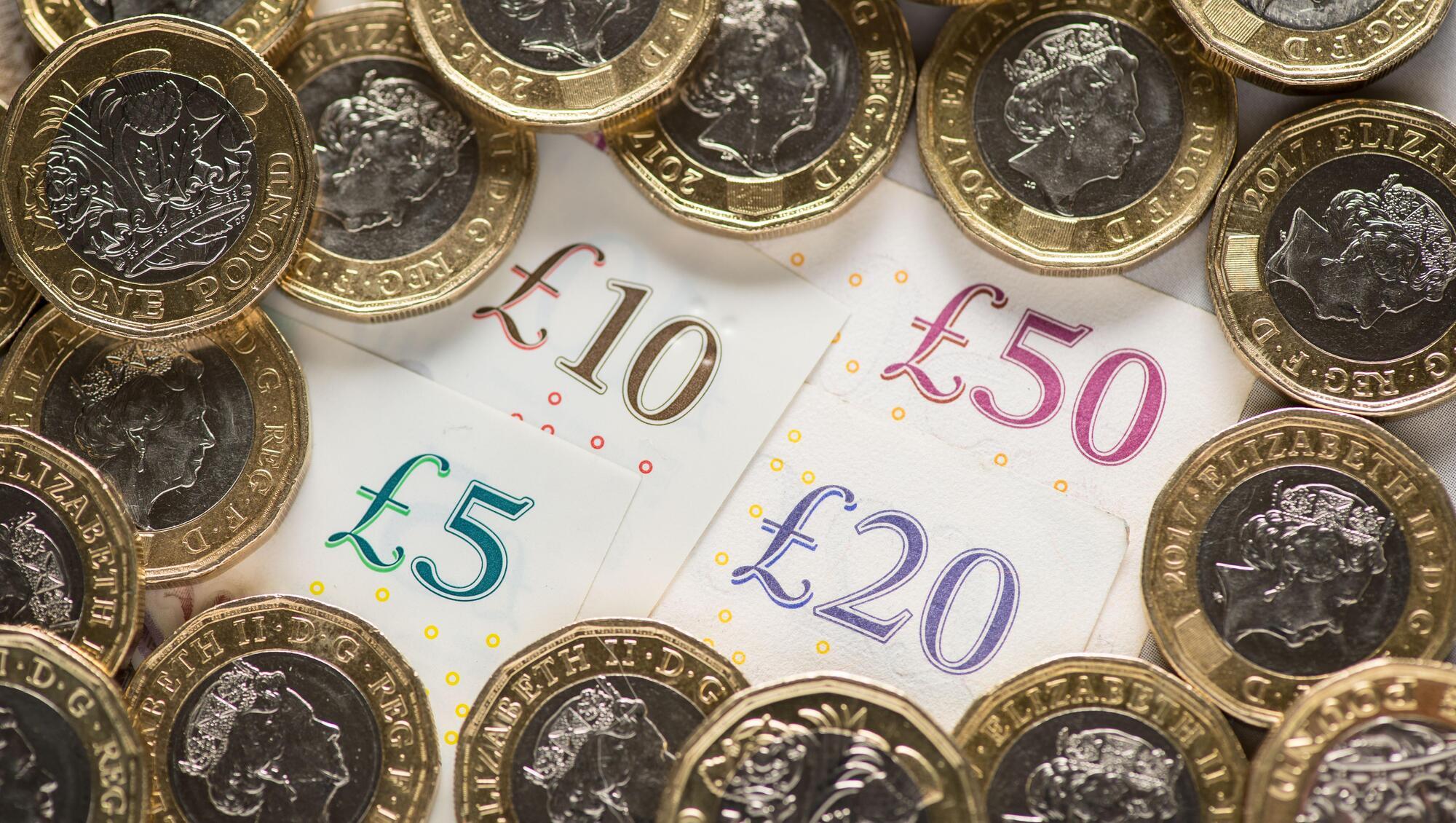
The sterling rate matters a great deal to a wide range of Irish firms that export and import goods and services across the Irish Sea.
On the eve of the Brexit referendum in June 2016, sterling was trading at around 74 pence against the euro. By the time the dust settled on the surprise result, the UK currency had fallen all the way to 81 pence, and over subsequent years traded at well below 90 pence.
Since the referendum, sterling has been a reliable measure of investor worries about the prospects of Britain crashing out of the EU without a comprehensive trade deal.
A leading investment bank forecast the pound could tumble to 95 pence, from around 91 pence on Friday, and other experts have in the past forecast that euro parity could be looming if the final divorce were to end in tears.
The sterling rate matters a great deal to a wide range of Irish firms that export and import goods and services across the Irish Sea.
Steep sterling falls against the euro spell bad news for exporters because it makes it more difficult to sell into Britain at a profit. Margins can be wiped out in an instant as sterling plummets.
And the rollercoaster moves as experienced by the UK currency on Friday for many Irish businesses would be like trying to catch a falling knife.
Currency markets will be watching every nuance of the talks through Sunday night and the euro rate against the pound will tell a lot.
It almost goes without saying that almost every business across Ireland will be affected some way or other.
If sterling moves sharply lower, Irish businesses even if they are not importing or exporting to Britain will be affected by the outcome of the Sunday talks,
Businesses may well be part of a supply chain that sells to an exporter or importer.
All firms want to avoid the disruption and uncertainty that could be caused by the hardest of hard Brexit outcomes.
This is particularly the case as businesses face the economic crisis caused by the Covid-19 pandemic.
In September, Luke Daly and Martina Lawless at the Economic and Social Research Institute updated research to show that the Covid crisis was widening the fallout to parts of the Irish economy that were not touched by the uncertainty over a hard Brexit.
That meant that a larger number of Irish businesses across 57 sectors of the economy would be hit by the twin threats of Covid and a no-deal Brexit, according to the research.
Previous ESRI research had found that close trade links with the UK and a relatively high share of agri-food exports meant that the Irish economy would be most exposed of all the remaining EU countries to Brexit.
That's because Britain accounts for 10% overall of Irish goods exports.
However, that share of exports rises to 30% of exports for Irish food and beverage firms, which potentially face the highest tariffs in exporting into Britain under a no-deal final departure.
Not only currency traders will be watching sterling through the weekend for hints of the outcome of the talks.
CONNECT WITH US TODAY



Be the first to know the latest news and updates