Covid an extra worry for parents on top of back-to-school costs
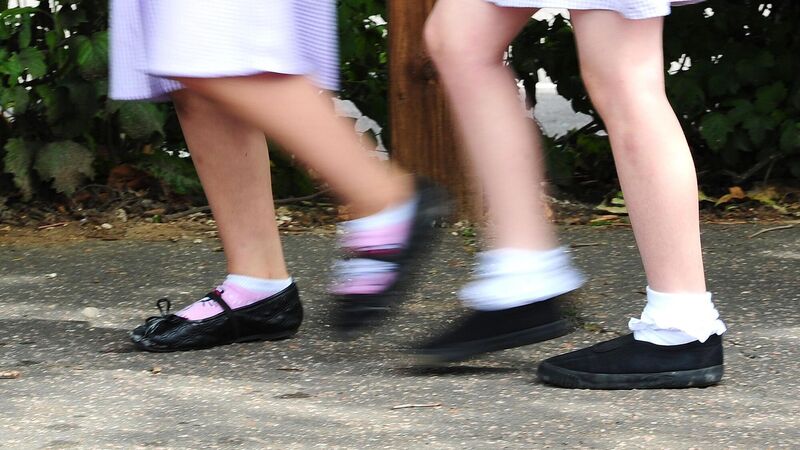
The top expense for primary school parents is after-school care, which comes in at an average of €200.
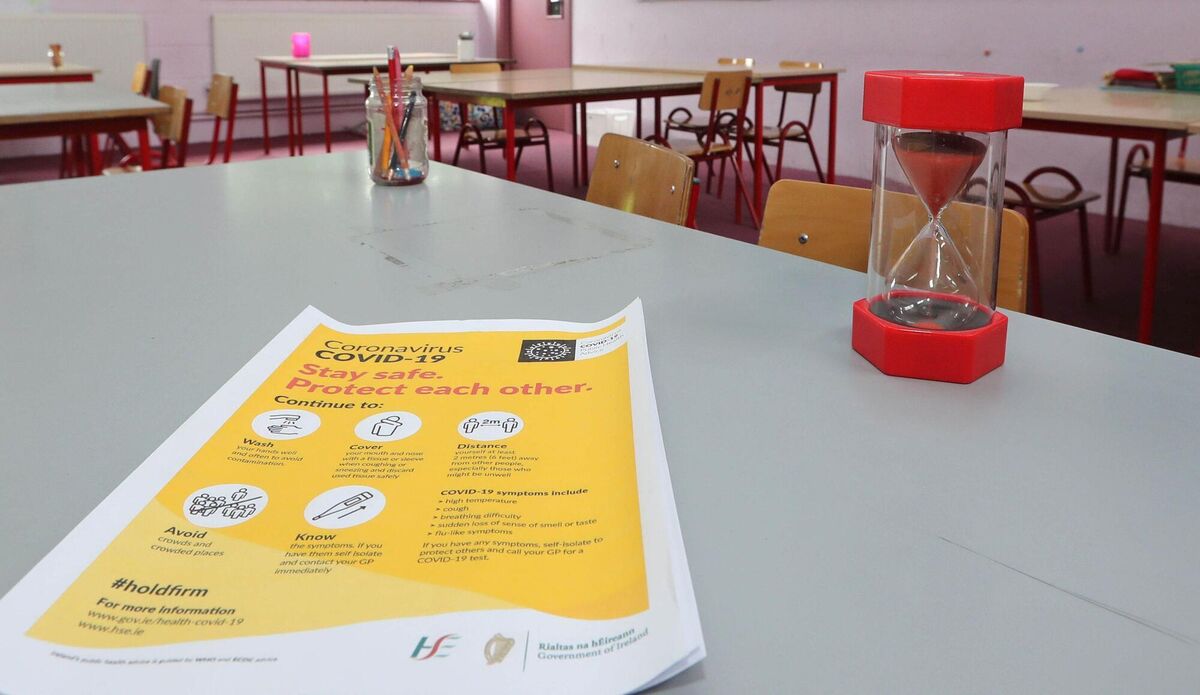
It’s a back-to-school season like no other. This year’s regular League of Credit Unions (ILCU) survey of costs comes with a Covid survey that reveals the extra layer of worry that September 2020 is bringing to the parents of school-going children.
First the headline numbers. Over a quarter (27%) of Irish parents find themselves in debt in order to cover the costs of back to school, with 8% having debts of over €500. The average debt is €397, an increase of €40 from last year. Parents are now spending €1,467 per secondary school child. That’s up €68 on last year. At primary school level, spending has increased by a very substantial €174 and now stands at €1,123 per child. And most parents — 69% — don’t think schools are doing enough to keep costs down.
There are a lot of parents out there (42%) who are worried that their children will fall behind as a result of shortcomings in lockdown home-schooling. Nearly 60% meanwhile expect that enforced homes schooling is far from over and anticipate a mix of home-schooling and classroom teaching for the new term. Over a third of parents say they don’t have sufficient resources if full or part-time home-schooling becomes the norm, with 29% citing poor broadband as a major concern.
The top expense for primary school parents is after-school care, which comes in at an average of €200. That’s a big jump from €117 in 2019. For second-level parents the biggest expense is books at €196, which is down from €220 last year. Voluntary contributions for primary schools have increased by 25% to an average of €110 per child, with secondary school contributions holding steady at an average of €140.
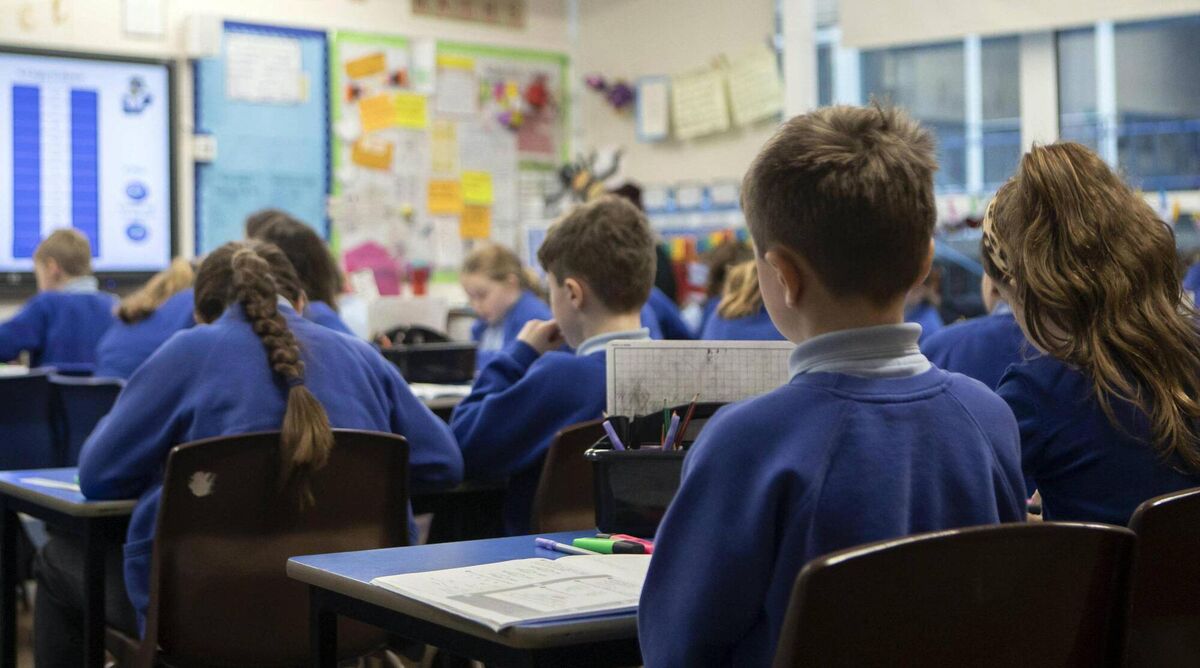
Paul Bailey is head of communications at the ILCU. He’s particularly concerned about the debt parents have to take on as a result of back-to-school expenses. “While the majority of parents fund back to school purchases from their general household income, the use of credit cards has increased from last year. I would encourage these parents to explore cheaper forms of finance such as a credit union loan.”
The survey also reveals that 66% of parents shop online for school supplies, a rise of 15% from 2019, with respondents citing convenience (59%), saving money (59%) and the availability of better deals (56%) as the main reasons for doing so.
Over a fifth (22%) of Irish parents report that there has been a reduction in their household income as a result of Covid. 42% of parents worry about their child’s mental health if they do not return to school in a full-time classroom setting. A further 41% are concerned about their children catching up on missed teaching.
Since the beginning of the lockdown, 36% of parents feel their children are spending too much time on screens as a result of being home-schooled. A third of parents (33%) also believe their children are missing their friends from school and may be lonely as a result.
When it comes to tackling the costs, it’s well worth keeping an eye out for the promotions that the shops are running: Two for ones and three for twos on shirts, polo shirts, skirts and trousers. Think about getting a second or third set in a larger size to cater for growing bodies, or at least make sure there’s enough of a hem to let down skirts and trousers as the year wears on.
Note too that some stores tend to clear out their uniforms at the end of September or early October, at which point it may well make sense to pick up spares, again with an emphasis on larger sizes. And during the year, a regular patrol of charity shops can turn up dirt cheap alternates for fraying uniforms.
Before running to the school book shop with your list, have a look either in local second-hand book shops or on some of the online resellers or exchangers. Book rental schemes have gone a long way towards capping the cost of primary school books, but it’s an ongoing source of frustration that secondary schools have been slow to adopt them.
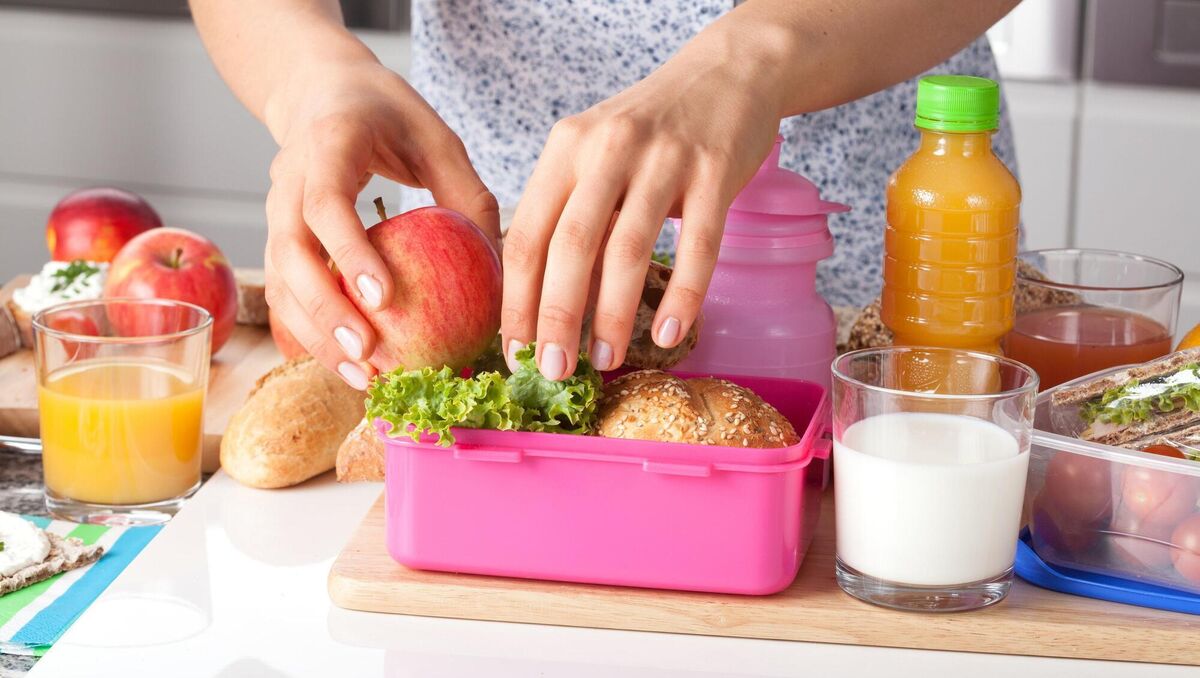
Avoid giving kids money to buy their lunch. Packed lunches are more nutritious, way more cost-effective and of course you’ve more control over where your money is going and what they eat. The ‘no-junk’ policies operated by many schools have been a Godsend for parents coming under serious pressure to stump up for sugary drinks and salty snacks. Plan lunches carefully and make sure to incorporate those plans into your weekly shop.
You’ll find great deals at this time for year for things like copybooks, pens and the rest of it, especially if you bulk up. Think about what you’ll need in the year ahead and buy for the future.
For many schools, how much they take in voluntary contributions is vital in keeping the show on the road, especially this year with added COVID expenses, but remember that it is voluntary. If you can’t meet the suggested contribution, offer something smaller.
Most of those who qualify for the Back to School Clothing and Footwear allowance do so automatically, so you don’t have to apply. Note too that t he COVID-19 Pandemic Unemployment Payment is a qualifying social welfare payment for the allowance, but you will need to satisfy a means test to secure it.
I f you think you qualify for but you haven’t received it, you can apply online at MyWelfare.ie. The rates currently stand at €150 for an eligible child aged 4 – 11 and €275 for an eligible child aged 12-22.


CONNECT WITH US TODAY



Be the first to know the latest news and updates