Think small first: Building next generation of local enterprises
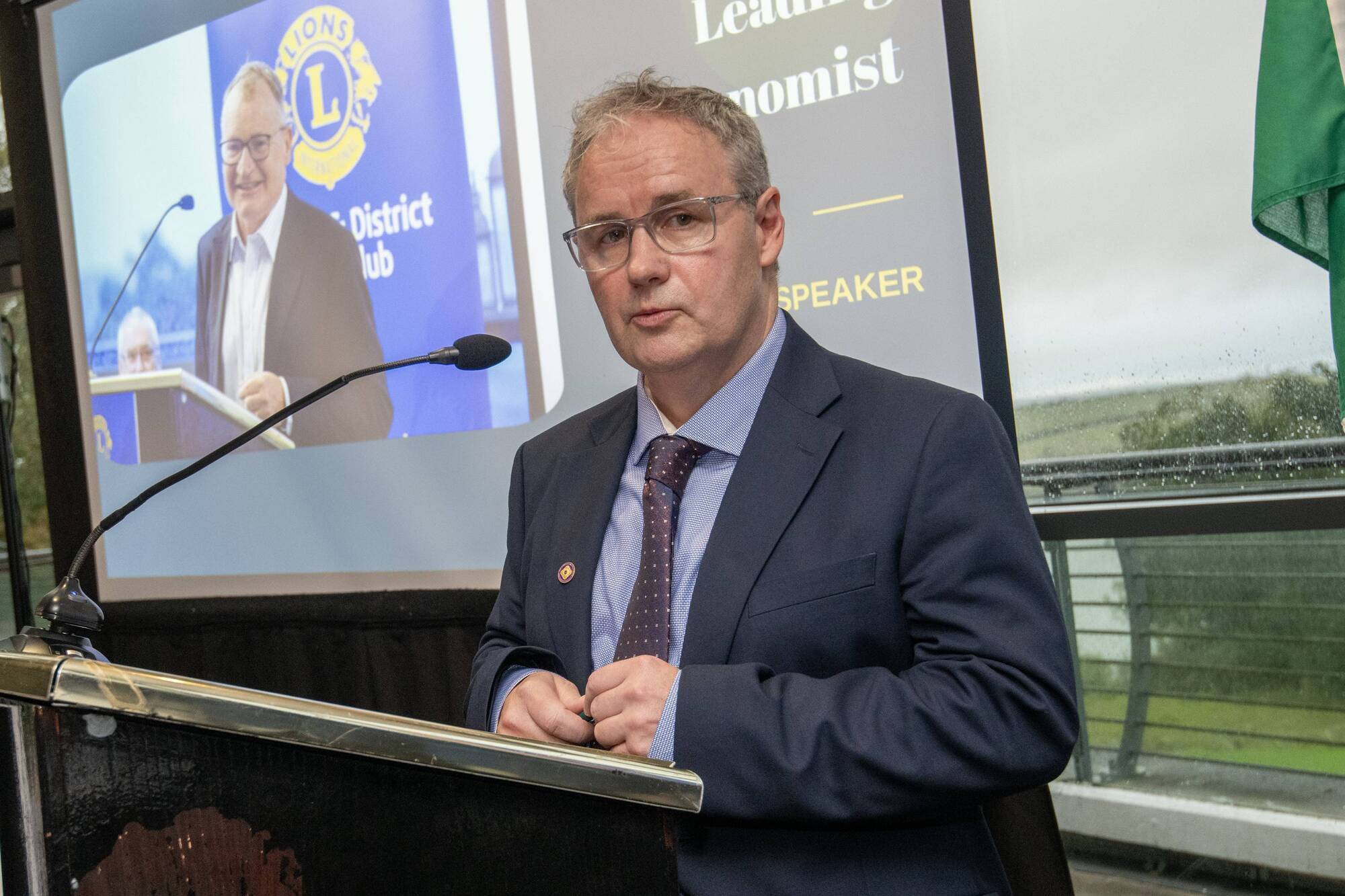
Cormac Fitzgerald, managing partner of Fitzgerald & Partners (F&P), chartered accountants and SME specialists, Kinsale, Co Cork.
Promoting job creation in small indigenous firms can deliver huge nationwide economic and social benefits, but a number of important government actions are required.
Cormac Fitzgerald, managing partner of chartered accountants Fitzgerald & Partners (F&P in Kinsale, Co Cork, suggests five pro-business priorities: cost competitiveness, simpler compliance, access to growth capital, investment in productivity and innovation, and support for succession and expansion.
He also suggests actions such as a targeted reduction in employer PRSI for qualifying businesses employing 50 people or fewer.
In this Q&A interview, Mr Fitzgerald, who is also a member of the national council and board of the Irish Small and Medium Enterprises Association (ISME), outlines actions which could boost regional job creation with significant benefits for the national economy.
The principal challenge facing Irish SMEs is managing the cumulative cost of doing business while maintaining profitability, competitiveness, and employment.
According to the CSO, SMEs account for approximately 99.8% of enterprises in Ireland's business economy and employ around 1.63 million people. Beyond these figures, they underpin regional employment, supply chains, and community life.
A May 2026 survey by Chartered Accountants Ireland and GRID Finance found that 84% of respondents faced rising costs, while 71% reported reduced optimism. ISME research likewise identifies business and labour costs as significant concerns.
The cost of living and the cost of doing business are closely connected. Employees need sustainable incomes, while employers need sufficient profitability to support wages, investment, and future jobs. Neither challenge can be addressed in isolation.
After more than 26 years advising SMEs, I continue to see remarkable ambition and resilience. But turnover alone is not enough: profitability sustains a business, and cashflow keeps it operating. Confidence to invest depends on both.
Through ISME, we can bring those practical realities into constructive discussions with policymakers. Protecting existing jobs should be as important as creating new ones.
"Think Small First" offers a useful European framework. SME united has highlighted that approximately 94% of European enterprises employ fewer than ten people. Policy should take account of the resources and operating realities of smaller businesses from the outset.
That means simplifying reporting, providing clear guidance, and allowing realistic implementation periods, while maintaining appropriate employment, consumer, and environmental protections. Good regulation should be effective and proportionate, not unnecessarily complex.
Government can also support competitiveness through predictable operating costs and improved access to finance. One option for consideration in Budget 2028 is a targeted reduction in employer PRSI for qualifying businesses employing 50 people or fewer, subject to fiscal assessment and appropriate safeguards.
A review of the close-company surcharge could similarly consider whether the treatment of certain undistributed income strikes the right balance between tax integrity and enabling companies to build financial resilience. Reform should encourage genuine investment without creating opportunities for tax avoidance.
Ultimately, SMEs need an environment in which sound management, innovation and responsible risk-taking are rewarded. Simplification is not a concession to business; it is a way to make policy work better.
Priority for 2027 perhaps is to strengthen the conditions in which indigenous enterprises can invest, innovate, and create sustainable employment.
Ireland's success in attracting foreign direct investment is a major national achievement. Indigenous enterprise complements that success: SMEs supply multinational companies, provide specialist services, develop domestic expertise, and sustain employment across the regions.
Cork demonstrates the strength of that ecosystem. International employers operate alongside Irish-owned manufacturers, hospitality businesses, professional firms, and specialist suppliers. These activities reinforce rather than compete with one another.
I see five priorities: cost competitiveness, simpler compliance, access to growth capital, investment in productivity and innovation, and support for succession and expansion.
Scaling deserves particular attention. Growing from ten employees to fifty requires more than ambition; it demands finance, management capacity, skills, and infrastructure. Practical support at that stage can turn promising enterprises into substantial employers.
We should also recognise the personal investment and long-term commitment of SME owners. Many take significant commercial risks to create opportunities for others. Policies that encourage reinvestment and sound balance sheets benefit the wider economy.
Cork and Munster are well placed to lead, provided housing, transport, infrastructure, and skills keep pace with enterprise needs.
Success should be measured not simply by jobs announced, but by the quality and durability of jobs created and retained and their contribution to the local economy.
Entrepreneurship is essential to Ireland's long-term prosperity. New businesses bring fresh ideas, technology and competition, create employment, and strengthen local supply chains. Some will become exporters and major employers; all begin with an individual prepared to take a risk.
The CSO recorded approximately 44,400 enterprise births in 2024. The opportunity is to help more of those businesses survive, become profitable, and grow. A lot don’t make it past five years.
Access to early-stage finance, mentoring and enterprise education matters, as does collaboration between businesses, schools, colleges, and enterprise agencies. Trusted professional advice can help founders make sound decisions on cashflow, governance, and investment from the beginning.
Cork has a strong foundation in UCC, MTU and its wider network of employers and educators. In Kinsale, Kinsale Community School helps young people develop the skills and confidence that can lead to further education, employment, and entrepreneurship.
Kinsale also illustrates the contribution of locally owned enterprise. Its SMEs together with professional services and attractions such as the Old Head Golf Links, support jobs, and a vibrant local community. It has a large local employer Lilly Kinsale that supports the local economy and SME sector. Some new SMEs have opened in the town which have added to the community and services on offer. There are over sixty local volunteer groups all doing great work in volunteerism all playing their part in the culture and makeup of the fabric of the town.
The ambition should be to connect that local talent with opportunities to build enduring businesses. Think Small First does not mean thinking small about Ireland's future. It means giving enterprises the foundations to realise their full potential.

BLACK FRIDAY
Already a subscriber? Sign in

CONNECT WITH US TODAY



Be the first to know the latest news and updates