Markets rout of AI stock deepens

Anthropic CEO and co-founder Dario Amodei. Anthropic shares traded below $74 on Wednesday. Picture: AP Photo/Markus Schreiber
AI-linked stocks were hammered for a second straight day on Wednesday, with investor concern about rising costs and forbidding debt dynamics sending the shares of many of the industry's largest players tumbling to fresh 52-week lows.
AI lab Anthropic traded as low as $73.85 shortly after the open, putting it 11% below its initial offering price last week. Alphabet dropped 4.7% and hit a 52-week low that was some 35% below its level at midyear. Chip giant Broadcom, one of the leaders of an epic midyear semiconductor rally, dropped 5.8% and hit a 52-week low that left it 41% below its high for 2026.
The rout partly reflected the unwind of earlier optimism in the AI sector, driven in part by Democratic wins in US midterm elections that promise greater regulation and a slower, costlier AI buildout. Sentiment was further impaired on Wednesday by the Trump administration's proposed new tariffs on imports from 14 trading partners and data showing US inflation increased further in October.
Read More
But the selling, which began soon after the Nasdaq composite's record high on October 6 and increased markedly in the second half of November, also underscored gathering concern about the financial underpinnings of an infrastructure expansion that has increasingly been financed by large sales of debt — a practice that tends to make markets more fragile and vulnerable to reversal.
Overnight in Tokyo, OpenAI shareholder SoftBank fell 14%, underscoring fears that ChatGPT maker OpenAI may face increasing resistance as it seeks to raise money. SoftBank, also a major investor in chip firm Arm, is down more than 40% for the year.
Nvidia a major OpenAI partner in data centres and other aspects of the AI ecosystem, dropped 8.5% to a fresh low. The so-called neocloud firms that back AI data centre capacity were under renewed attack, reflecting in part concern about their capacity to raise funds to support ambitious building plans.
"It seems that these companies are trying to one-up each other on the amount of money that they're spending, but you have to show that it's worth it, and that's where Wall Street is saying 'I don't know'," said Todd Schoenberger, chief investment officer at CrossCheck Management.
Meanwhile US officials found no evidence that tech executive Alice Huang was directed by Beijing to spy on Nvidia CEO Jensen Huang, the Wall Street Journal reported on Wednesday, citing people familiar with a classified briefing.
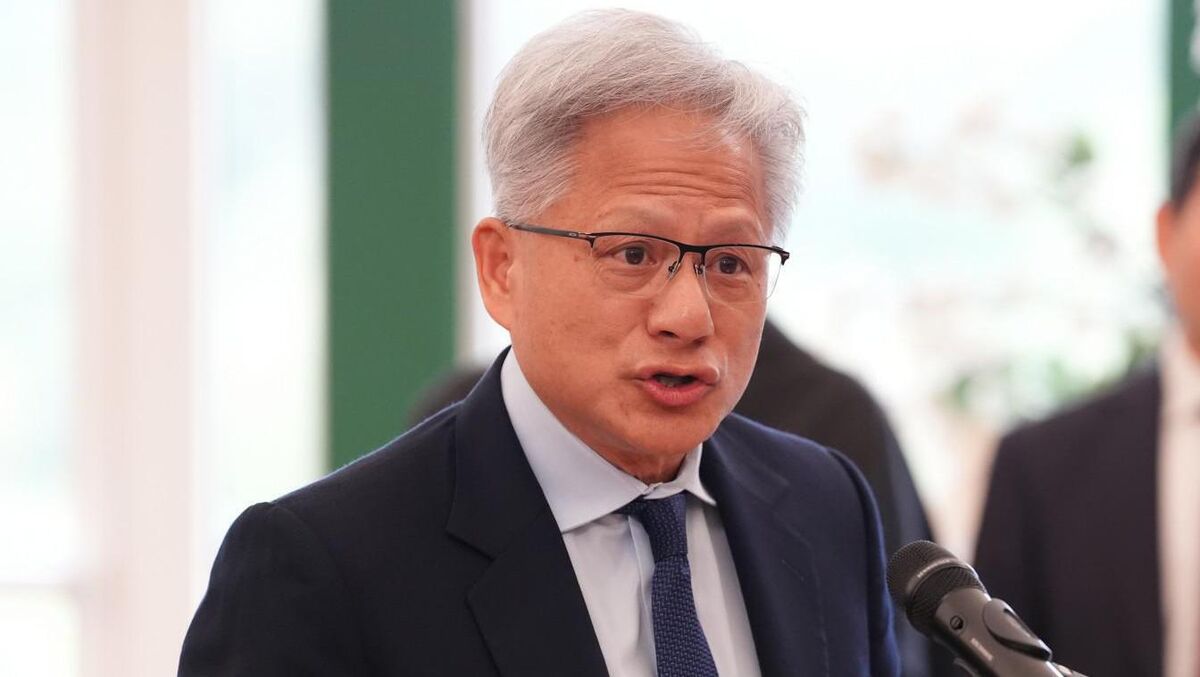
The briefing comes after US president Donald Trump cleared the way for Mr Huang's reinstatement earlier this week, assuring Nvidia that its CEO posed no national-security threat.
The controversy began with concerns over Alice Huang's alleged Chinese intelligence links and whether her relationship with Jensen Huang affected suspected diversions of Nvidia chips to China.
Officials said Alice Huang contacted China's spy agency during the affair but found no indication that she provided significant intelligence, the Journal reported.
The report said current evidence suggests that Alice Huang and Jensen Huang may have had an amorous relationship, but not a coordinated play by China, adding that new information could, however, change that assessment.
Officials from the CIA, FBI, Office of the Director of National Intelligence and National Security Agency briefed staff from congressional intelligence committees and chamber leaders, the Journal reported.
Nvidia and the agencies did not immediately respond to a Reuters request for comment. Reuters could not independently verify the report.
Reuters

BLACK FRIDAY
Already a subscriber? Sign in

CONNECT WITH US TODAY



Be the first to know the latest news and updates