AI data centre investments drives one-fifth of Irish domestic growth
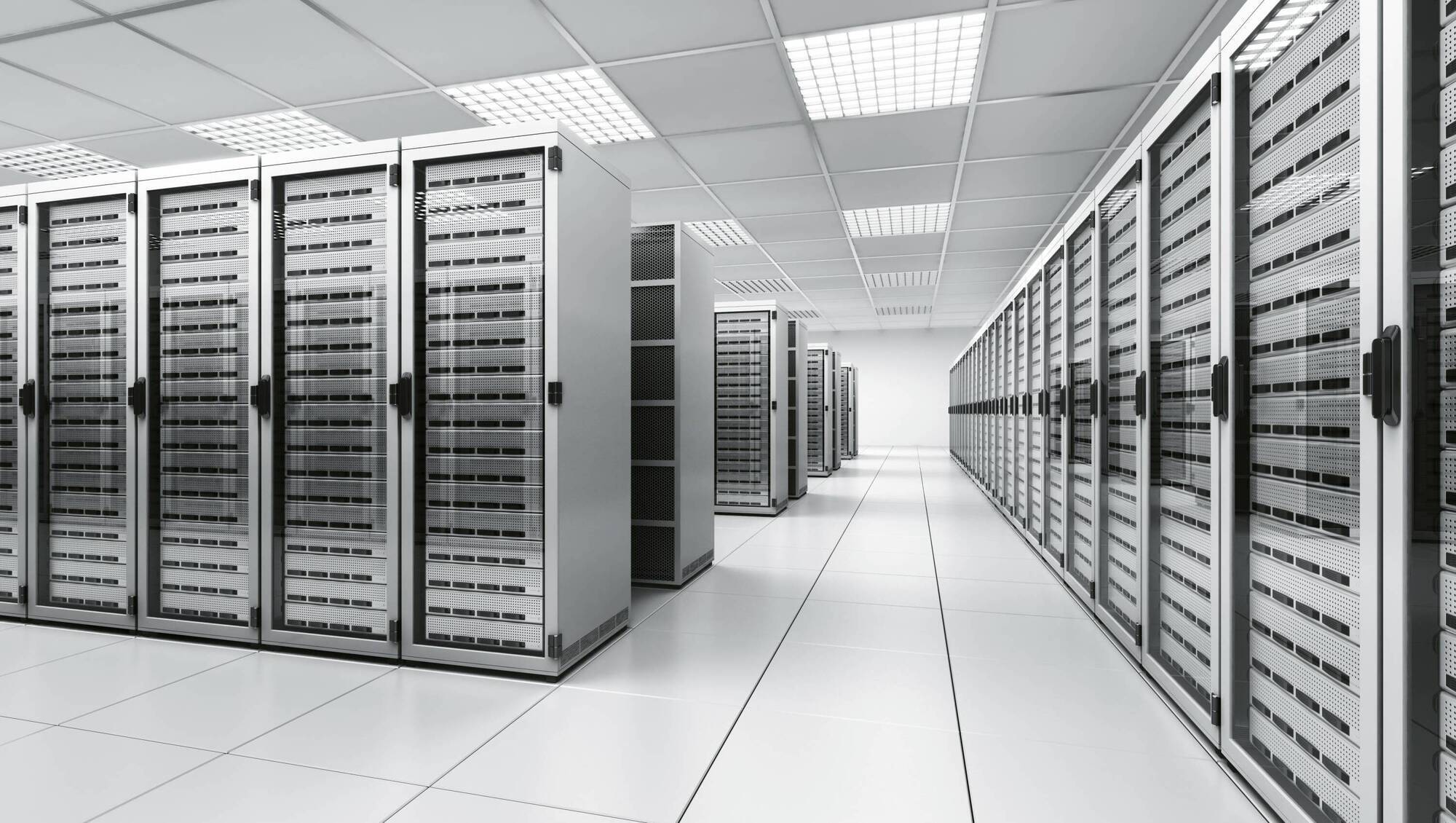
The report noted that AI and data-centre hardware trade, including the import and exports of items such as semiconductors, processors, and servers, has more than doubled since 2019. File picture
AI and related data centre investments accounted for around 20% of Irish domestic economic growth in the year to the end of June, largely due to spending on machinery and equipment, a new report from Goodbody has found.
An analysis in the report found that imports of AI data data centre technology equipment used for capital investment reached €11.4bn, in the 12 months to the end of June, equivalent to 59% of modified machinery and equipment investment.
This is €4.4bn which was equivalent to around a 20% rise in nominal modified domestic demand (MDD).
The report noted that AI and data-centre hardware trade, including the import and exports of items such as semiconductors, processors, and servers, has more than doubled since 2019, reaching €40bn by the end of August.
Asia is now supplying almost a quarter of Irish goods imports, up from around an eighth in 2020.
Despite their unpopularity, and the excessive amount of energy they use, there are plans in place to nearly double data centre capacity in Ireland.
Goodbody said there are 1,357 megawatts (MW) of data centre capacity in Ireland with a further 152 currently under construction and 1,083 having received planning permission.
Read More
“Power availability, grid congestion and connection timelines increasingly constrain further investment, particularly as larger AI campuses require substantially more electricity,” the report said.
According to the latest data from the Central Statistics Office, data centres accounted for 23% of the country’s total electricity consumption last year.
The report comes amid turmoil in the AI industry following the departure of Jensen Huang from chipmaker Nvidia which produces most of the chips that AI data centres operate on.
Mr Huang entered into numerous deals with data centre developers backstopping them and providing credit guarantees so that these developers could in turn continue to purchase chips from Nvidia.
Shares in two of the largest data centre developers in the US, Coreweave and Nebius, fell after the news that Mr Huang had resigned.
The report, citing research from Trinity College Dublin, noted that productivity gains are being seen in “easing of routine demands” but the technology's larger effects are still muted.
The research it cites found the technology reduced meeting-related tasks and email-related work are at 72% and 66% respectively with 59% of organisations saying the technology saves them an hour a week while 9% said it saves more than five hours.
“For now, AI is helping work get done more efficiently rather than fundamentally changing how it is organised,” the report said.
“Turning those savings into sustained organisational gains remains the harder step,” the report said.
In terms of AI’s impact on the labour market, Goodbody notes that 63% of Irish employment “is in highly AI-exposed occupations”.
“Our analysis finds only a weak relationship between exposure and employment changes to date. Weaker hiring of younger workers in information and communication technology warrants attention, but attributing the decline to AI alone would be premature,” the report said.
“Strong digital skills provide a favourable starting point for dealing with the change, but training, governance and workflow redesign are needed to translate task-level efficiencies into wider productivity gains.”
Goodbody is forecasting MDD growth of 3.2% for this year, 3.5% for next year, and 3% for 2028.
“Steady consumer spending, core investment and a greater government contribution underpin this Outlook,” the report said.
Chief economist at Goodbody Dermot O’Leary said that Ireland is in a “strong position, with household and government balance sheets that give us room to prepare for the future”.
“The AI cycle is boosting investment in Ireland’s economy today, but it is not without risk. We should use our resources wisely, by saving more of the windfall receipts and investing in the energy, housing and transport infrastructure to ensure the benefits are sustained.”

BLACK FRIDAY
Already a subscriber? Sign in

CONNECT WITH US TODAY



Be the first to know the latest news and updates