Plans lodged for major extension at Waterford Airport, including dedicated facility for business and private aviation passengers
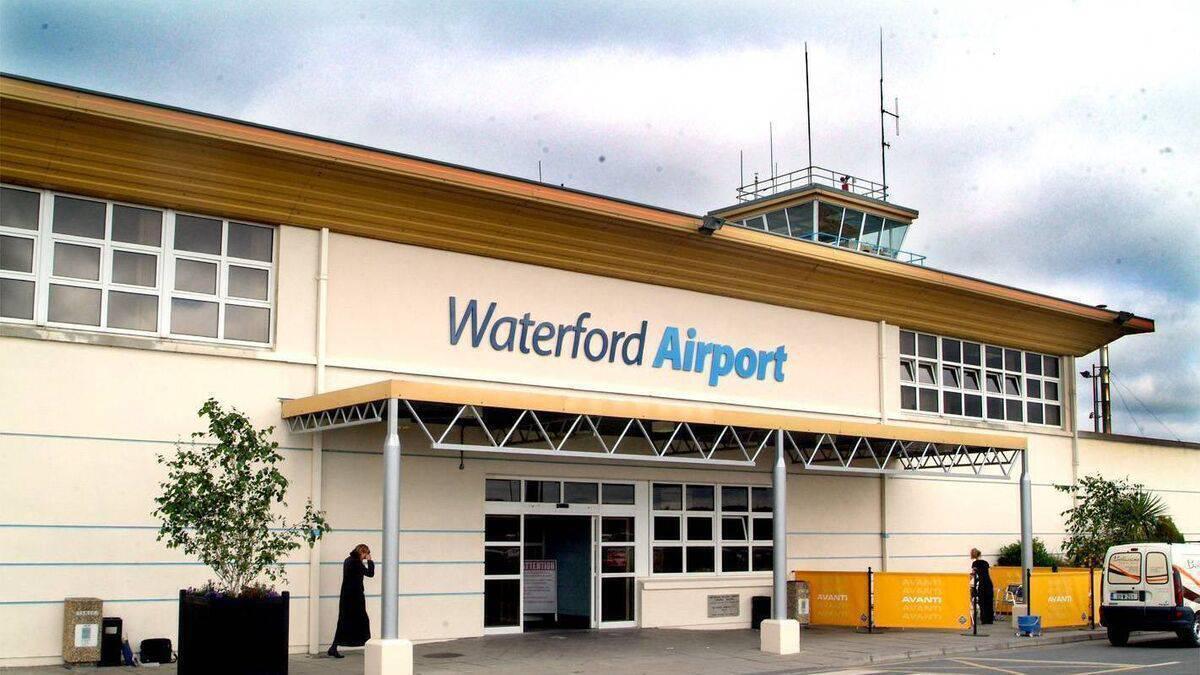
Plans lodged for the redevelopment of the terminal at Waterford Airport include new arrivals and departures, a dedicated facility for business and private aviation passengers, and eight airport hangars.
New plans for the redevelopment of the terminal at Waterford Airport have been lodged, with permission sought for a major two-storey extension and construction of eight hangars, which will include new arrivals and departures and a dedicated facility for business and private aviation passengers.
The plans for the airport at Killowen were lodged with Waterford City and County Council, and are part of the larger €30m development transforming the facility into a modern regional hub, with work already underway on extending the runway. The upgrades are part of plans to enable the return of commercial passenger services to the South-East, with a target of handling of more than 400,000 passengers annually within three years.
Read More
The plans seek permission for a two storey 3,672m2 extension to the sides and rear of the existing terminal building, and the construction of 16,553m2 of hangar structures with office facilities, ESB Substation buildings, storage and parking. The development will include new terminal arrivals and departures facilities, duty free store, coffee shop, canteen, offices, exhibition area, and plant and storage rooms.
A fixed base operator (FBO) facility to cater for private and business aviation passengers is included in the plans. The planned FBO has its own dedicated external entrance, "allowing it to operate independently from the principal passenger terminal entrance. The layout provides a clearly defined reception and circulation area serving the various FBO facilities. Passenger lounge areas are incorporated to provide comfortable waiting and reception accommodation," the planning application states.
"Dedicated seating and hospitality areas are provided as part of the FBO passenger facilities. Supporting rooms and ancillary accommodation are arranged around the principal passenger spaces. The FBO layout provides controlled connections between landside and airside areas appropriate to its operational function. Its location within the terminal allows the facility to benefit from the wider airport infrastructure while maintaining a distinct identity and passenger experience.
"Overall, the FBO has been arranged as a self-contained element of the terminal while remaining fully integrated with the overall building design."
The plans also include a two-storey extension to the airport fire station building providing an additional fire engine parking bay.
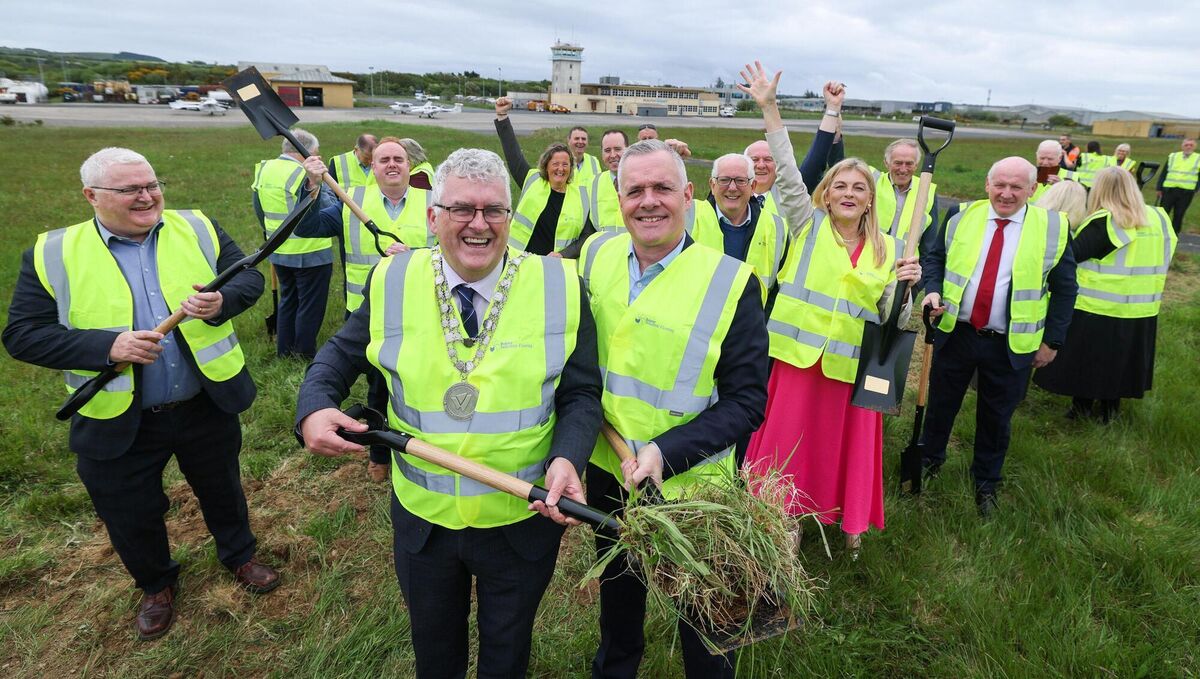
Waterford Airport is just 9km from the city. In May, development work began on a major runway extension and infrastructure upgrades. The new runway will be lengthened to 2,287 metres and widened to 45 metres to accommodate large commercial jet aircraft.
In 2008, Waterford airport reaching over 100,000 passengers but for the past 10 years, the airport has not offered commercial routes. Investment for Waterford was secured through US investor and oil billionaire Kelcy Warren, who owns the Castletown Cox estate 40km from the Waterford. In April 2025, a transition of ownership took place, as shareholders of the legacy company Waterford Regional Airport voted to liquidate the previous company and relinquish their stakes. Mr Warren is now the largest investor in the airport with local businessman William Bolster owning a smaller share.
In 2025, Waterford City and County Council approved the disposal of lands and the waiving of a previous loan of €670,000, paving the way for the investment. The redevelopment envisages the return of commercial passenger services by late 2027 with the airport aiming to cater for up to 400,000 passengers annually by 2032.
Airport chief executive Mr Bolster said in May that the airport will bring huge economic benefits for the region. Waterford Chamber CEO Gerald Hurley said it is a key piece of infrastructure in the National Planning Framework.
CONNECT WITH US TODAY



Be the first to know the latest news and updates